
photography studio
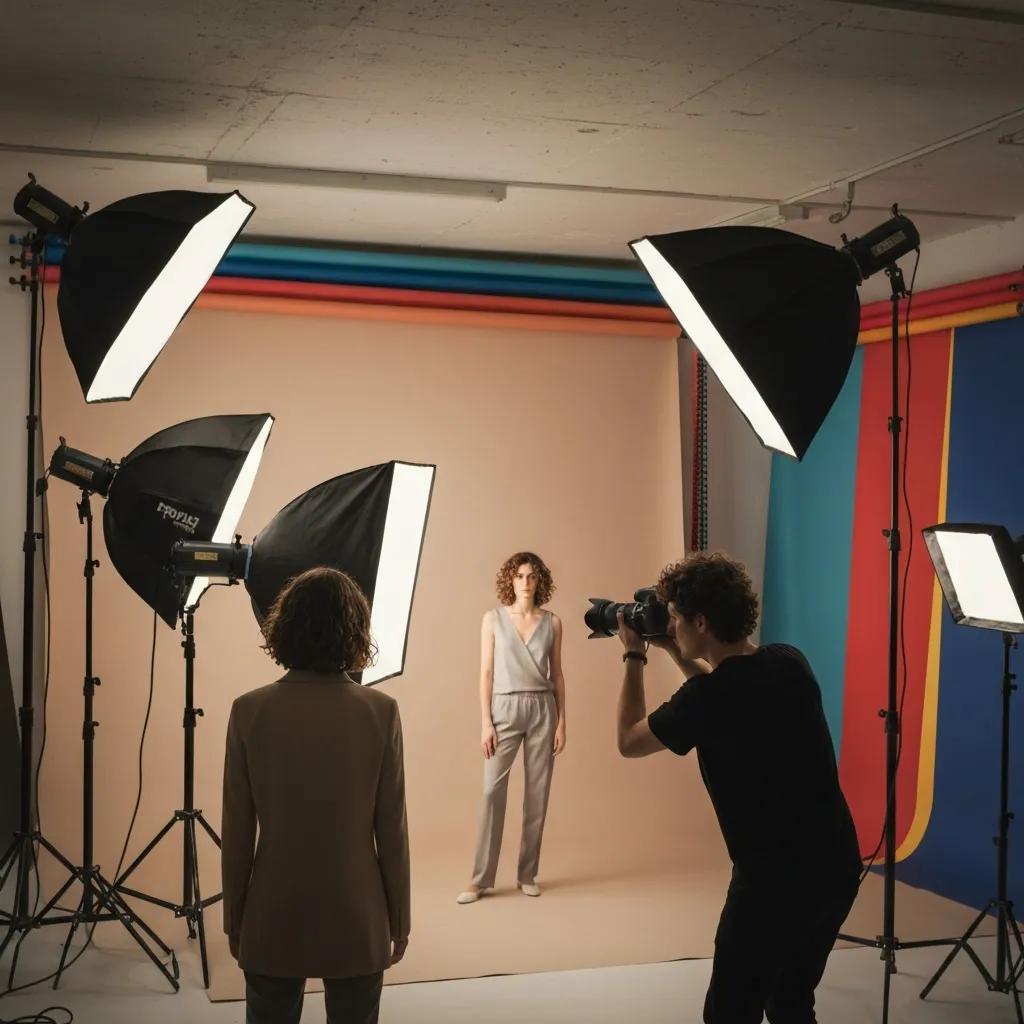
Comprehensive Photography Studio Services: Your Complete Guide to Professional Photography and Studio Rental
A photography studio is a purpose-built space where photographers, creative teams, and clients collaborate to produce professional images for portraits, events, commercial uses, and e-commerce. This guide explains what modern photography studio services include, how to rent studio space, typical photography studio pricing, and the essential photo studio equipment and studio lighting setups that determine final image quality. Many clients search for the best photography studio near me and want clear information on studio rental amenities, portrait photography services, product photography e-commerce workflows, and event photography packages before booking. This article addresses those needs by mapping service types, laying out booking and rental processes, comparing pricing models, and providing practical lighting and equipment tips that improve outcomes. Read on to learn how to evaluate studios, choose the right event or portrait package, and prepare for a shoot day to maximize creative results and efficient delivery.
What Professional Photography Studio Services Are Available?
A professional photography studio provides specialized photographic services—such as portrait photography, event coverage, and product photography—by combining controlled studio space, trained photographers, and dedicated equipment to deliver consistent visual results. Studios operate as creative studios and professional services that match client goals to technical workflows, ensuring deliverables like edited digital files, prints, or commercial-ready assets. Understanding this service taxonomy helps clients choose the right offering and anticipate typical deliverables and timelines. The next subsection lists the common photography niches studios support to clarify when to choose a specific service type.
Which Types of Photography Does a Studio Offer?
Studios commonly offer a range of hyponymous services including portrait photography, event photography, product photography, headshot photography, newborn photography, and commercial photography; each variant aligns with different technical requirements and deliverables. For example, portrait photography services often include guided posing, professional lighting, and a curated set of retouched images suitable for personal branding, while product photography emphasizes color-accurate white-background shots and multiple angles for online retail. Typical session lengths vary: headshots can take 30–60 minutes, portrait sessions 1–3 hours, and commercial or product shoots may span half-days or full production days depending on scope. Choosing a studio service involves matching intended use, required image rights, and delivery format, which leads into how studios customize packages for diverse client needs.
How Do Photography Studios Cater to Different Client Needs?
Photography studios tailor service packages through customizable add-ons such as extended retouching, on-site styling, location shoots, and expedited delivery to align with client goals and budgets. Studios use consultation calls or briefs to collect information—brand tone, image usage, and preferred aesthetics—and then translate those inputs into a shoot plan that specifies lighting setups, props, and post-production workflows. For commercial clients, studios typically outline licensing terms and batch deliverables, whereas family portrait clients receive proofs and selected retouching options with clear timelines for revisions. This customization process supports both one-off sessions and recurring work, and it naturally leads into a practical comparison of core services, session lengths, and typical price ranges below.
Different studio service types and their typical attributes:
How Can You Rent a Photography Studio for Your Projects?
Renting a photography studio involves choosing an hourly, half-day, full-day, or membership-based model, confirming included amenities and equipment, and completing a booking with clear terms around cancellations, insurance, and overtime. Studio rental models serve different project types: short portrait sessions often suit hourly bookings, while product photography or commercial shoots benefit from block-rate or full-day bookings to allow for setup and post-production. Before booking, inspect the physical space, power capacity, ceiling height, and safety features, and verify compatibility of on-site gear with your cameras and workflow. The next subsection lists standard amenities and optional equipment commonly offered with studio rentals.
What Amenities and Equipment Are Included in Studio Rentals?
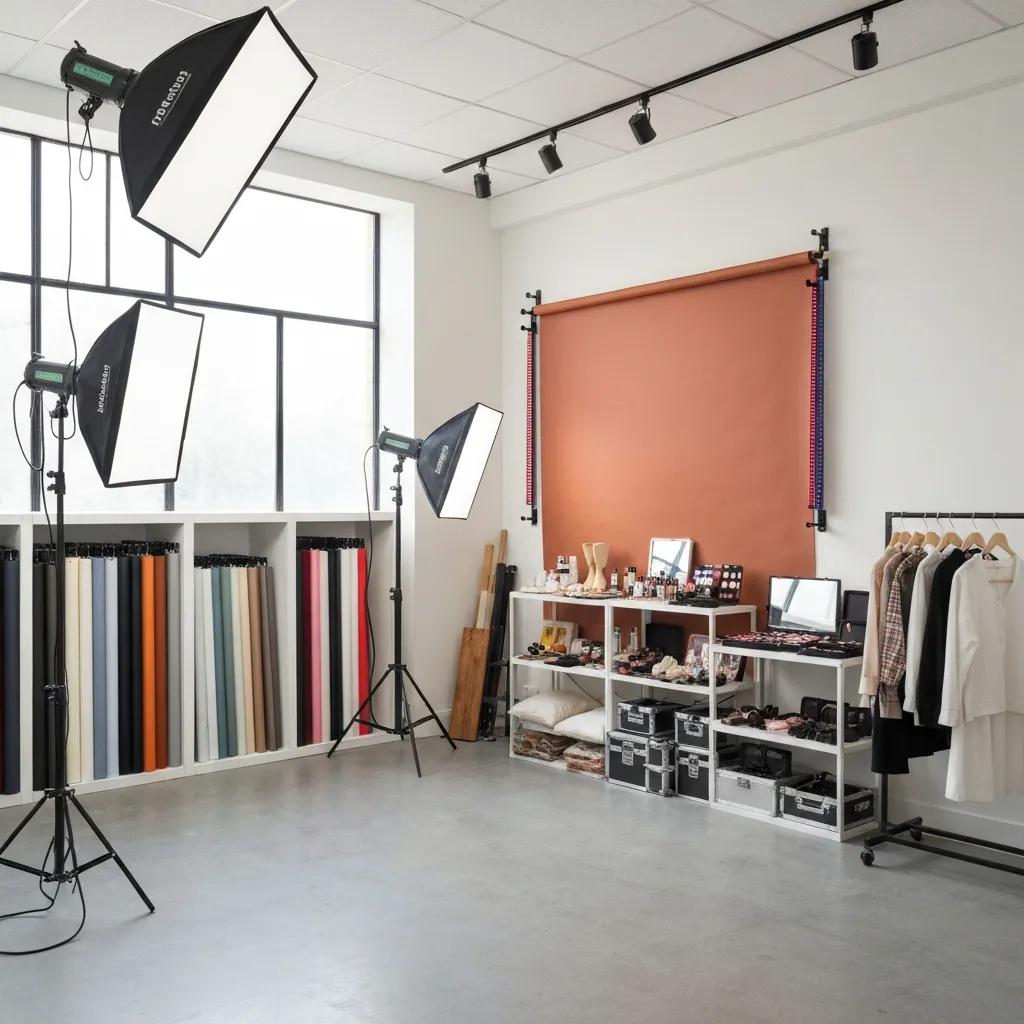
Studio rental amenities typically include professional lighting kits (strobes or continuous lights), a selection of backdrops, grip stands, basic props, a changing/dressing area, and a workstation for tethered shooting; many studios also provide on-site parking and Wi-Fi. Optional rentals commonly add specialized gear such as turntables for 360 product photography, macro lenses, assistants, or in-house stylists for commercial shoots, and studios usually clarify which items are included versus billed as add-ons. When inspecting a studio, confirm the condition of lights, available modifiers (softboxes, beauty dishes), power distribution, and any insurance requirements for rented equipment. Verifying these details in advance reduces surprises on shoot day and prepares you to choose the best rental package for your project.
Common studio rental amenities and what to confirm before booking:
- Confirm included lighting gear and compatibility with your trigger system.
- Verify backdrop sizes, support systems, and available color or material options.
- Check for client-facing amenities like dressing rooms, rest areas, and parking.
What Are Typical Pricing Models for Studio Rental?
Studio rental pricing usually follows a few established structures: hourly rates for short sessions, half-day and full-day block rates for longer productions, and membership or package pricing for recurring users; each model balances flexibility and cost efficiency. Factors that influence photography studio pricing include location, included equipment, peak-day demand, and whether technical staff (assistants, gaffers) are supplied as part of the rental. An illustrative comparison helps clients estimate budgets and choose the best rental structure for their needs.
Comparison of rental pricing models and inclusions:
What Are the Benefits of Professional Portrait Photography Services?
Professional portrait photography delivers reliable image quality, consistent lighting, and stylistic direction that elevates personal and professional branding through crafted visual assets suitable for websites, portfolios, and print. Studios combine controlled lighting setups, lens selection, and retouching workflows to ensure consistent skin tones, sharpness, and compositional balance across a set of images, which is especially important for headshots and personal branding. Beyond technical quality, studios provide direction on styling, posing, and background selection to align images with client goals, reducing time and uncertainty for clients while increasing confidence in final deliverables. The following list highlights key benefits to help readers understand the value proposition of hiring a portrait studio.
Portrait photography yields several practical benefits:
- Professional lighting and retouching ensure consistent, high-quality images suitable for multiple uses.
- Expert guidance on styling and posing enhances subject comfort and conveys intended brand attributes.
- Faster turnaround and clear deliverables reduce administrative time and enable immediate use.
How Do Portrait Studios Ensure Quality and Style?
Portrait studios ensure quality through deliberate technical choices—consistent studio lighting setups, high-quality camera bodies and lenses, calibrated color workflows—and through non-technical practices such as pre-shoot consultations and styling support. Quality signals to look for include a cohesive portfolio that demonstrates consistent editing standards, transparent proofing and retouching processes, and documented delivery timelines and licensing terms; these signals indicate a mature workflow that reduces revisions. Technically, common portrait lighting setups include softbox key with fill, butterfly lighting for glamour, and Rembrandt for character, chosen based on subject features and brand intent. Evaluating these quality markers helps clients understand what to expect during a session and moves into the practical session timeline described next.
What Should Clients Expect During a Portrait Photography Session?
A typical portrait session follows a predictable timeline: an initial consultation or brief, arrival and preparation, staged shooting with direction and breaks, preliminary review of proofs, and final delivery and retouching within the studio’s stated timeline. Clients should prepare a selection of outfits, coordinate hair and makeup if desired, and plan for on-set changes; studios often provide a client preparation checklist to streamline the process. During the shoot, the photographer will adjust lighting, pose guidance, and framing to achieve the agreed-upon style; afterward, proofing sessions let clients select images for final retouching and delivery. Clear expectations about turnaround times and revision policies help reduce friction and ensure a successful portrait experience.
Which Event Photography Packages Suit Different Occasions?
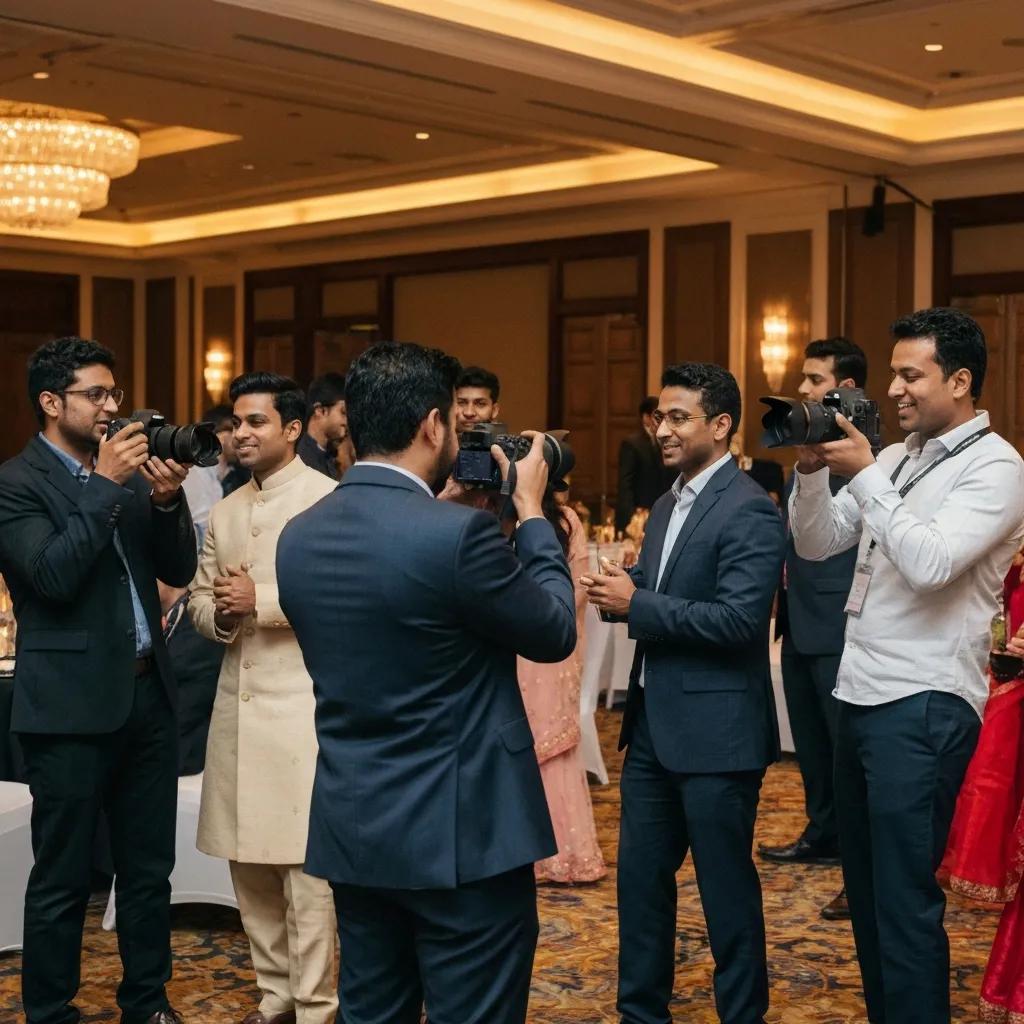
Event photography packages are structured to match the scale and goals of the occasion—ranging from short party coverage to full-day weddings or multi-day conferences—by specifying included hours, photographer count, edited images, and delivery timelines. Matching package tiers to event priorities helps organizers decide whether they need basic coverage for documentation, standard packages for highlight reels and galleries, or premium options that include albums, extended hours, and same-day delivery. Event planning requires consideration of staffing, logistics, and rights/licensing for commercial use, and the following subsection enumerates typical event categories and how service needs differ across them.
What Types of Events Are Covered by Photography Studios?
Photography studios cover a wide array of event types including weddings, corporate conferences, product launches, concerts, and private parties, and each event type demands different staffing and logistical considerations. Weddings often require multiple shooters, second shooters, and coverage from preparation through reception, while corporate conferences emphasize deliverables like headshots, speaker portraits, and rights-cleared images for marketing. Concerts and festivals require expertise in low-light, high-contrast situations and often specialized lenses and fast autofocus systems. Understanding event-specific requirements informs package selection and staffing decisions, leading into sample package structures and how they are priced.
How Are Event Photography Packages Structured and Priced?
Event packages typically fall into tiered categories—Basic, Standard, and Premium—where each tier specifies hours of coverage, number of photographers, approximate edited image counts, and common add-ons like prints or albums; this tiered approach simplifies decision-making for clients. Below is a sample comparison table illustrating typical package components that help match event scale to the right package.
Event photography package comparison:
How Does a Product Photography Studio Enhance E-commerce Success?
A product photography studio enhances e-commerce performance by producing consistent, high-fidelity images that improve conversion rates, reduce return rates, and strengthen brand perception across marketplaces. High-quality product images address buyer uncertainty by showing accurate color, multiple angles, and contextual lifestyle shots, and studios often supply platform-ready file formats and metadata that meet marketplace requirements. Studios also enable A/B testing of imagery and optimized ALT text, which supports both user experience and search visibility for product listings. The following subsection outlines the equipment and techniques that underpin effective product photography.
What Equipment and Techniques Are Used in Product Photography?
Product studios rely on dedicated gear—macro or prime lenses, light tents for small items, strobe or continuous lighting with soft modifiers, turntables for 360 product spins, and calibrated monitors for color-accurate post-production—to produce consistent product images. Techniques such as flat-lay composition, ghost mannequin for apparel, and 360° spin sequences each serve different catalog needs, while color-management workflows and ICC profiles ensure that images remain true to life across devices. Post-production steps include background cleanup, color correction, and consistent cropping to marketplace dimensions. Properly executed equipment choices and techniques directly reduce returns and improve perceived product quality, which connects to how studios tailor outputs for retail platforms.
How Do Studios Tailor Product Photography for Online Retailers?
Studios tailor deliverables to retailer specifications by producing images that comply with platform rules—white backgrounds for marketplaces, minimum pixel dimensions, and appropriate file types—while also creating variant imagery for different product listings and promotions. They often provide metadata and structured file naming to support catalog management and SEO, and they can produce multiple image variants to support A/B tests that examine the impact of lifestyle vs. white-background shots on conversion. For brands, these practices translate into measurable improvements in click-through and conversion metrics, and they show why selecting a studio with e-commerce experience benefits online retailers.
Checklist for e-commerce readiness:
- Confirm image size, background, and file type requirements for each marketplace.
- Request variant images (hero, detail, lifestyle) to support A/B testing.
- Ask for color-managed files and metadata-ready filenames to streamline upload.
What Are Essential Photography Studio Equipment and Lighting Tips?
Essential studio equipment includes reliable strobes or continuous lights, a variety of modifiers (softboxes, beauty dishes, umbrellas), sturdy light stands and grip, diverse backdrops, quality camera bodies and lenses, and accessories like tethering cables and color-calibration tools that together determine technical image fidelity. Equipment reliability reduces shoot time and supports consistent delivery, while redundancy—backup light sources and spare bulbs—prevents interruptions during critical shoots. Maintaining gear, testing lighting ratios, and documenting preferred settings for repeatable setups enable a smoother client experience, and the next subsection describes common lighting setups suited to different photography types.
Which Lighting Setups Are Best for Different Photography Types?
Different photography types benefit from characteristic lighting patterns: portrait work often uses butterfly or Rembrandt setups with a softbox key and fill to sculpt facial features, product photography typically uses diffused soft light or light tents for even illumination and minimized reflections, and event photography relies on portable strobes with modifiers for fast action and mixed ambient balancing. Typical starting settings include moderate power for softboxes with a 1:1 to 2:1 key-to-fill ratio in portraits, and lower-power, high-CRI continuous lighting in video or livestream situations. Choosing between strobe and continuous lighting depends on workflow needs—strobes for freeze-frame accuracy and continuous for real-time monitoring—so test setups in advance to ensure consistent results.
How Does Studio Equipment Impact Photo Quality and Client Experience?
High-quality studio equipment enhances image fidelity through accurate color, less noise, and better dynamic range, while also improving client comfort by shortening session time through efficient lighting and faster capture rates. Reliable equipment reduces the likelihood of reshoots and facilitates on-site proofing and client approvals, and ergonomic amenities—comfortable seating, a dressing area, and clear client flow—improve the overall experience and client retention. Safety and accessibility planning, including secure cable management and sufficient workspace, further protect both crew and clients and enable uninterrupted workflows, which concludes this guide to studio services, rentals, packages, e-commerce photography, and essential equipment.
Be the first to comment