
Perfect Your Wedding Day: Luxury Photography Schedule Tips
Your Wedding Day Timeline: A Luxury Photography Guide to a Seamless Celebration
A wedding-day timeline is the practical roadmap that arranges moments, people, and light into a single photographic story. For luxury weddings, it becomes the tool that protects editorial portraits, preserves candid storytelling, and keeps the emotional rhythm of the day intact. This guide shows how a carefully crafted timeline elevates luxury wedding photography by carving intentional portrait windows, smoothing vendor handoffs, and easing stress for couples and families. You’ll find concrete timing suggestions for every major segment—getting ready, first look, portraits, ceremony, cocktail hour, reception events, and golden hour—plus vendor coordination tactics and delegation templates to keep the day flowing. Our aim is a repeatable, adaptable timeline that prioritizes light, movement, and feeling while leaving room for the unexpected. Scattered through the guide are compact checklists, three clear tables comparing segment lengths and coordination tips, and sample timelines you can adapt for destination, multi-venue, or condensed schedules. When you’re ready for a bespoke plan, we explain how a consultative timeline review turns your vision into a calm, editorial photography plan.
Why a Meticulously Planned Photography Timeline Matters for Luxury Celebrations
A precise photography timeline is the backbone of any luxury wedding: it secures technical excellence and emotional completeness. When a schedule is built around light windows and focused portrait blocks, photographers can capture editorial images and candid moments without creating vendor conflicts. Below are the primary benefits, followed by a short vignette that contrasts a rushed day with one that’s been thoughtfully calibrated.
Luxury timelines deliver three core advantages:
- Optimized portraiture: Planning portrait windows around golden hour and directional light produces editorial-quality images.
- Lowered stress: Clear timing reduces last-minute changes that derail photos and unsettle couples.
- Smoother vendor coordination: Aligned schedules prevent bottlenecks between hair & makeup, transportation, setup, and videography.
Consider this vignette: a couple who reserved a 30–45 minute portrait block before cocktail hour arrived at the reception relaxed and received a varied portrait set—venue architecture, soft backlight, and candid interaction—that a rushed schedule rarely delivers. That example points to the practical mechanisms we’ll unpack next: how detail in the timeline creates the opportunities for photographic excellence.
How a Detailed Timeline Enhances Your Luxury Photography Experience
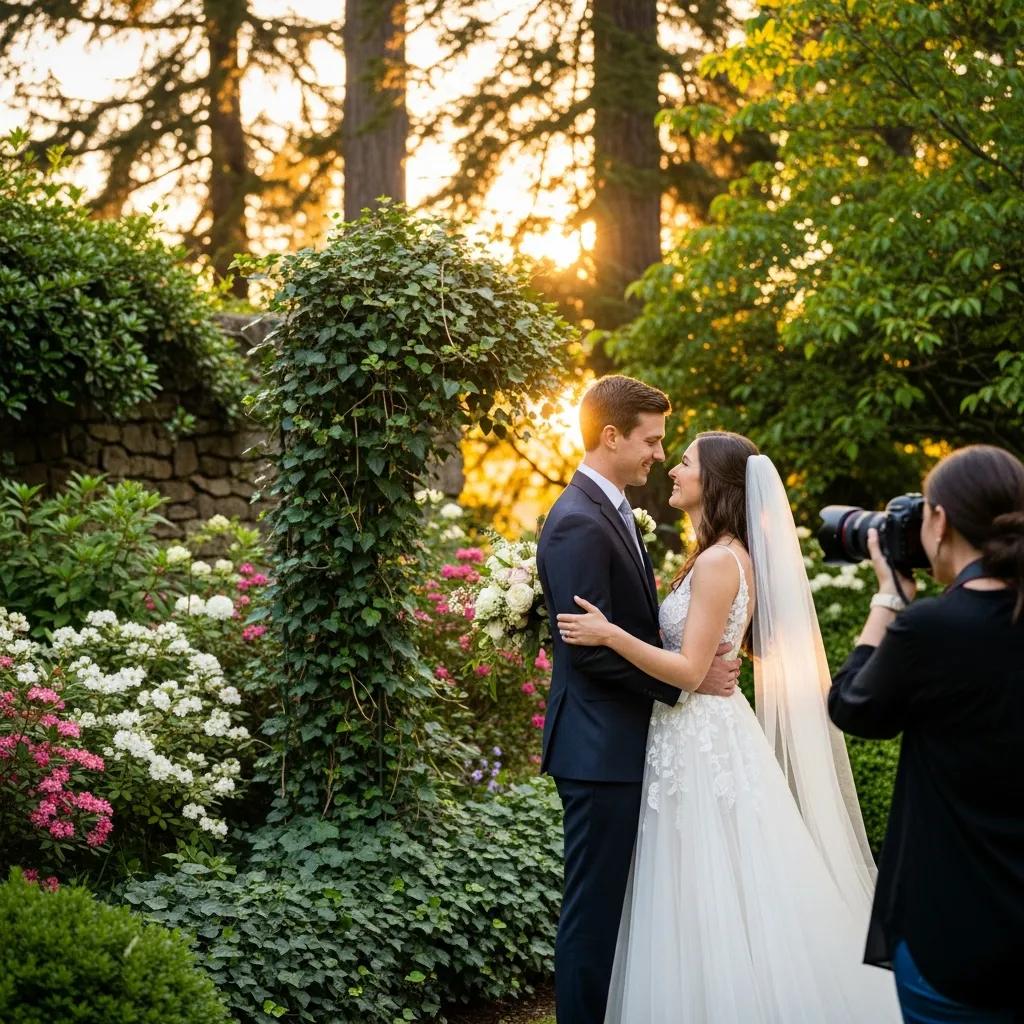
A thoughtful timeline deliberately creates the conditions photographers need to craft both editorial portraits and authentic storytelling. Assigning set durations for getting-ready coverage, formal portraits, and buffers gives photographers the freedom to choose light, compose with intention, and pursue cinematic movement instead of rushing between shots. Practically speaking, reserving 20–45 minutes for a first look and 30–60 minutes for couple portraits produces directional-light images and more relaxed expressions—the couple isn’t being shuffled between events.
By contrast, a 10–15 minute portrait window forces safe, static poses and misses venue-driven compositions. Understanding these trade-offs helps couples prioritize the blocks that give the greatest visual return on time invested. Next, we’ll outline the structural elements every seamless luxury schedule should include to reliably produce editorial-quality results.
What the Key Elements of a Seamless Wedding Day Schedule Look Like
A seamless schedule combines predictable segments, intentional buffers, and clear vendor touchpoints to protect portrait time and candid storytelling. Core segments include getting ready, detail shots, a first look or pre-ceremony portraits, bridal party and family formals, the ceremony, cocktail hour, reception events, and—when possible—a dedicated golden hour portrait block. Pair each segment with buffer windows and a clear distribution of responsibilities so photographers can move efficiently without constant direction.
Key checklist items include:
- A prioritized shot list organized by emotional importance and logistics.
- Buffer windows of 10–30 minutes between major segments.
- An on-day point person for the photography team to coordinate with.
These building blocks lead naturally into how tailored timeline planning works in a bespoke service—how a professional team synthesizes vision, vendor logistics, and photographic priorities into one executable plan.
How Amore Wedding Photo & Video Crafts Bespoke Luxury Wedding Day Schedules
Bespoke timeline planning starts with a consultative conversation that turns a couple’s aesthetic and emotional priorities into a timed run sheet that protects portraits and preserves candid moments. Amore Wedding Photo & Video specializes in luxury photography and videography and develops timelines by collaborating with couples and event teams to align lighting, venue opportunities, and vendor logistics. Our process usually includes an initial discovery call to identify must-have shots, a draft timeline centered on those priorities, and a coordinated review with planners and key vendors to finalize handoffs and travel windows.
Kristie Montrois leads that consultative process, bringing a high-fashion, editorial sensibility to scheduling while acting as the liaison between the photography team and other vendors. She focuses on protecting essential portrait blocks—golden hour and first look windows—and advising on portrait locations that enhance light and composition. Kristie’s hands-on involvement reduces surprises on the wedding day and ensures the team can photograph both posed and candid work without disrupting the flow.
For couples seeking a calm planning experience, Amore includes timeline consultation in many packages: clear communication, a dedicated team, and final timeline handoffs keep the day moving. Next we return to practical timeline creation with an ideal sample schedule and a downloadable template that couples can adapt.
Kristie Montrois’s Role in Personalized Timeline Planning
Kristie directs timeline planning with an editorial eye that aligns timing to visual opportunity and emotional pacing. She advises when and where to capture high-impact portraits—selecting vantage points that use architecture, directional sunlight, or dramatic backdrops—while balancing a couple’s desire for candid moments. Kristie reviews venue logistics, suggests portrait locations that minimize travel, and ensures portrait blocks don’t encroach on ceremony or reception flow.
Her approach is collaborative: she consults with planners and venue contacts to confirm setup times, identifies natural light windows for editorial portraits, and prioritizes the shots that reflect the couple’s vision. This blend of creative leadership and logistical coordination preserves the calm of the day and protects the essential elements of a luxury photographic experience. The next section explains how the Amore experience translates planning into on-day actions that reduce stress.
How the Amore Experience Keeps Photography Stress-Free
The Amore experience centers on clear pre-wedding communication, a finalized run sheet shared with all vendors, and an on-day point person who manages photography logistics so the couple can stay present. Before the wedding, we deliver a draft timeline for review, adjust it for vendor constraints, and outline contingency plans for weather or schedule drift. On the day, Amore’s team executes the plan while the designated point person handles last-minute needs—letting the couple focus on the celebration rather than logistics.
We also set transparent deliverable expectations and hand the final timeline to vendors to reduce confusion during transitions. The result is an environment where photographers and videographers can concentrate on creative work instead of troubleshooting, producing images that blend editorial artistry with authentic moments. With that operational foundation in place, the next major section offers a concrete sample timeline couples can adapt for their events.
The Ideal Luxury Wedding Photography Timeline Breakdown
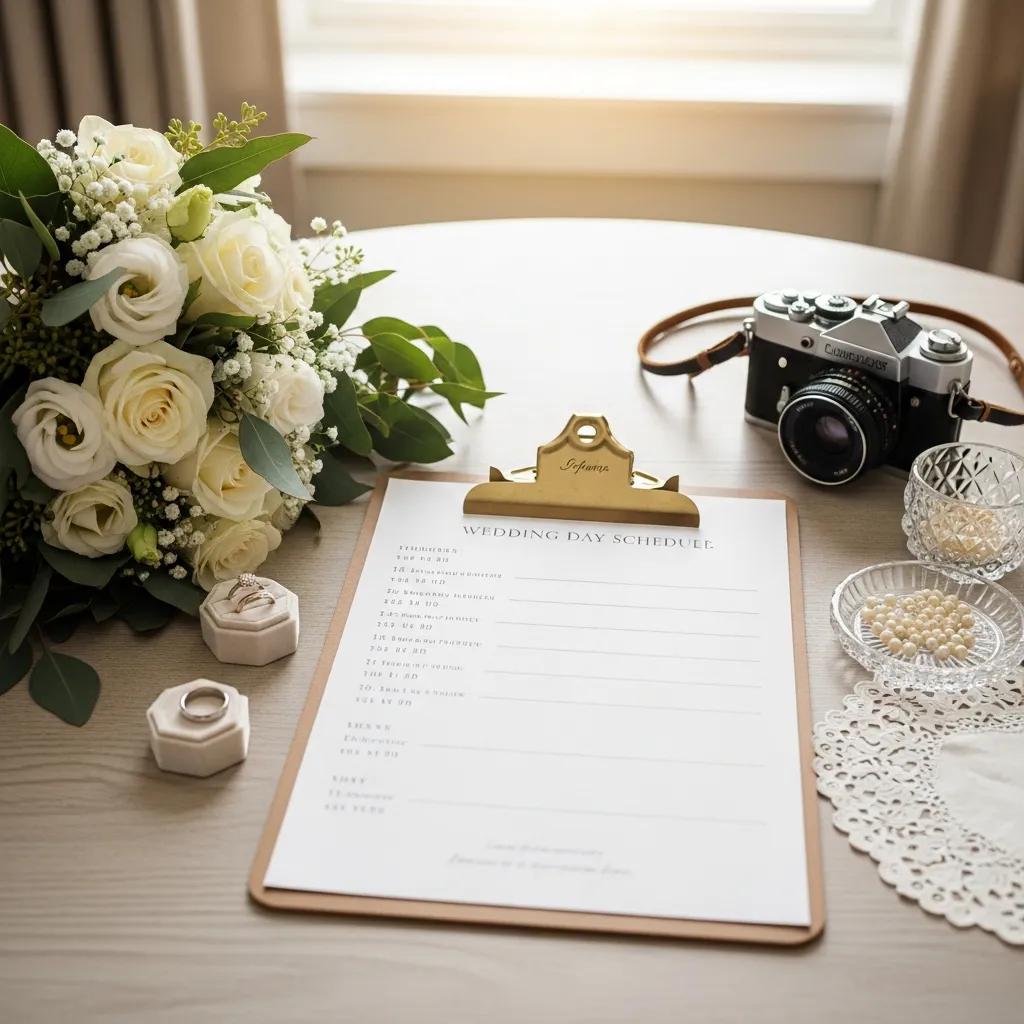
The ideal luxury photography timeline divides the day into distinct segments with recommended durations, buffer windows, and clear photographer deliverables—each chosen to serve editorial portraiture and emotional storytelling. Below is a structured full-day schedule with suggested durations and why each block matters for image quality and narrative flow.
Sample step-by-step timeline for a full-day luxury wedding:
- Getting Ready & Detail Shots — 90–180 minutes: Time for staged flat-lays, candid prep, and hair/makeup progress shots.
- First Look + Couple Portraits — 20–45 minutes: A private portrait window that reduces pre-ceremony pressure.
- Bridal Party & Family Formals — 30–60 minutes: Efficient, pre-ordered groupings keep the ceremony on time.
- Ceremony — 20–60 minutes: Includes arrival, processional, key rituals, and recessional.
- Cocktail Hour & Guest Candids — 30–60 minutes: Relaxed reportage and venue detail coverage.
- Reception Events & Golden Hour Portraits — 60–90 minutes: Introductions, first dance, toasts, and a sunset portrait block when possible.
Adjust this schedule for destination or multi-venue days by adding travel buffers. The table below is a compact reference comparing each segment, suggested durations, and typical deliverables for the photographer.
This table explains why each segment receives the suggested time and which image types we prioritize. The next subsection dives into practical guidance for allocating getting-ready and detail coverage.
How Much Time to Allocate for Getting Ready and Detail Shots
Getting-ready and detail shots are the visual building blocks of a luxury wedding—dress, rings, invitations, shoes, and intimate moments that foreshadow the ceremony. For complete coverage, plan 90–180 minutes of getting-ready time depending on locations and participants. Ninety minutes works for one room and minimal styling; 120–180 minutes is better for larger parties, multiple rooms, or elaborate styling.
To optimize this time: prepare a detail box with accessories in one place, stage invitations and rings on a clean surface with good natural light, and assign someone to collect items for the photographer. These steps reduce time spent searching and ensure the photographer produces both considered flat-lays and emotive prep candids. Efficient getting-ready coverage naturally informs decisions about first looks and portrait timing, which we compare next.
Benefits and Timing of the First Look and Couple Portraits
A first look creates a private portrait window that usually yields more relaxed expressions and expanded creative options. Photographers typically recommend 20–45 minutes for a first look plus couple portraits—enough time for several backdrops, a mix of posed and motion-driven images, and brief wardrobe or lighting adjustments if needed.
First-look advantages include emotional intimacy, flexibility for golden hour scheduling, and a broader range of portrait styles without ceremony-time constraints. If you prefer a traditional reveal, expect less dedicated portrait time and more hurried family formals afterward. Choose based on priorities: a first look for extended portraiture and emotion, or a traditional reveal if ceremony ritual is the focus.
How to Schedule Bridal Party and Family Formal Photos Efficiently
Efficient formals depend on an organized shot list, pre-assigned group coordinators, and strict minute allocations to avoid ceremony delays. Typically allocate 30–60 minutes for all formal groupings, with the highest-priority groups first and optional groupings last. Assign one or two family liaisons to gather relatives and communicate the shot order to prevent searching delays.
An ordered shot-list might start with immediate family, then extended family, followed by the wedding party, and finish with mixed variations. Share this list with the planner and family point persons so the photographer can work methodically. This clarity reduces stress and protects the timeline ahead of the ceremony and reception.
Best Timing for Ceremony and Reception Photography
Ceremony and reception photography capture the day’s pivotal rituals and social narrative, so timing should include pre-ceremony checks, an unrushed processional capture, and a reception events block that aligns with your priorities. Plan for a 45–60 minute pre-ceremony arrival to confirm sight lines, lighting, and audio positions. Ceremony coverage usually spans 20–60 minutes, with photographers positioned to capture processional, vows, key rituals, and recessional without disrupting guests.
Reserve 60–90 minutes of reception coverage for the most photographed events—introductions, first dance, toasts, and cake—paired with a golden hour portrait block when possible. If the reception runs late, consider a short evening or night portrait session to capture dramatic lighting. These choices set up the final technical optimization: golden hour planning.
How to Optimize Golden Hour for Stunning Portraits
Golden hour—roughly 30–60 minutes before sunset—offers warm, directional light ideal for editorial portraits and cinematic couple images. To capture it, plan couple portraits to begin about 30–60 minutes before sunset and include a 15–20 minute buffer for moving locations or quick wardrobe adjustments. Coordinate with your videographer so both teams can stage combined portrait moments and capture complementary stills and motion.
Rules of thumb: scout portrait locations near the reception to minimize transit time, use a quick cue to gather the couple quietly, and give photographers creative freedom to set the tone rather than rushing through poses. Honoring a golden hour block converts fleeting light into album-defining images that elevate luxury coverage.
How to Achieve a Stress-Free, Seamless Wedding Photography Day
A stress-free photography day depends on smart vendor coordination, built-in buffer times, clear delegation, and contingency plans that anticipate common delays. The most effective approach is checklist-driven: confirm logistics two weeks out, distribute the final run sheet to all vendors, and name a photography point person for the day. The vendor coordination table below outlines specific tips and buffer recommendations by vendor.
Effective Vendor Coordination and Buffer Time Strategies
Start with a consolidated timeline shared with every vendor and agree on staggered access times for key spaces like getting-ready suites and ceremony sites. Standard buffers include 15–30 minutes between major segments, 10–20 minute travel buffers for on-site movement, and a 30-minute pre-ceremony check for the photography team. Confirm logistics with vendors two weeks before the event and again 48–72 hours out to capture any changes.
A short vendor-communication checklist: circulate the final run sheet, confirm who has keys or access, and identify loading zones and staging areas. These proactive steps protect portrait time and keep transitions smooth. Next we’ll cover delegating responsibilities to maintain schedule integrity.
How to Delegate Tasks to Keep the Photography Schedule on Track
Delegation reduces friction by assigning responsibilities to people who can act quickly without consulting the couple—family liaisons, bridal party coordinators, or the wedding planner. Define on-day roles: one family point person gathers relatives for formals, a bridal attendant assembles the wedding party, and the planner handles vendor questions. Provide printed or digital copies of the timeline and shot list to these delegates so they can act autonomously when the photography team is ready.
Communicate these roles at a pre-wedding briefing and give contact details to the photography lead so last-minute issues are resolved without involving the couple. Delegation preserves the couple’s presence in their day and lets photographers capture planned moments uninterrupted. With delegation and vendor coordination in place, the next section answers common timeline questions couples ask.
Frequently Asked Questions About Luxury Wedding Photography Timelines
This FAQ answers the practical questions couples most often ask about coverage length, first-look timing, and integrating videography for luxury celebrations. Each short answer is designed for quick decision-making while pointing back to the principles above.
How Much Photography Coverage Is Recommended for a Luxury Wedding?
For a full luxury experience—getting-ready coverage, a first look, extended portraits, ceremony, and reception events—photographers typically recommend 8–12 hours of coverage depending on scale and venues. Eight hours covers essential moments for a single-venue day; 10–12 hours suit multi-venue celebrations or extended receptions. For micro-weddings, 4–6 hours can work if priorities are clearly defined in advance.
Choose coverage by whether you prioritize editorial portraiture, extended reportage, or multi-location logistics; adequate hours prevent rushed photography and ensure varied deliverables.
When Is the Ideal Time for a First Look?
An ideal first look usually happens 60–90 minutes before the ceremony start time, leaving room for an extended portrait session and travel to the ceremony without overlap. For multi-venue logistics you may schedule it earlier; for sunset portraits you might move it later toward golden hour. The key is aligning first-look timing with the couple’s emotional comfort and photographic goals.
Weigh emotional privacy and extended portraits against a traditional reveal; the timeline should reflect which outcome matters most to you.
How Do Luxury Photographers Integrate Videography Into the Timeline?
Luxury photographers integrate videography by sharing shot lists, coordinating golden hour timing, and aligning staging for combined portrait moments. A joint pre-wedding meeting to consolidate the timeline and agree on apex moments—first looks, entrances, sunset portraits—helps both teams capture complementary work. Schedule combined portrait blocks with an extra 10–20 minutes so stills and motion can both be achieved without rush.
This coordinated approach reduces overlap, minimizes equipment traffic at key locations, and strengthens storytelling by blending cinematic motion with editorial stills.
Amore Wedding Photo & Video includes timeline consultation as part of our service suite: we specialize in luxury photography and videography, delivering a bespoke experience tailored to each couple’s vision with high-fashion editorial storytelling, clear communication, and a dedicated on-day team. Couples who want a calm planning process can request a personalized timeline review to align photography priorities with their event logistics; Kristie Montrois leads that consultative process, ensuring editorial artistry and authentic moments remain central to the final schedule.
Below is a compact sample timeline template couples can adapt for their own planning.
Use this sample as an adaptable scaffold to copy into your scheduling tools and share with vendors. These structured tables and lists turn planning theory into an executable timeline that supports luxury photography goals.
- Prioritize portrait windows: Reserve dedicated time for couple portraits and golden hour.
- Build in buffers: Allow 10–30 minutes between major segments for transitions.
- Assign on-day roles: Give family and bridal party members clear responsibilities to keep formals efficient.
These final checklist items convert tactical advice into actionable steps that preserve calm, protect creative time, and ensure editorial-quality imagery for luxury celebrations.
Be the first to comment