
Managing Family Dynamics During Wedding Photos: Your Guide to Harmonious Memories
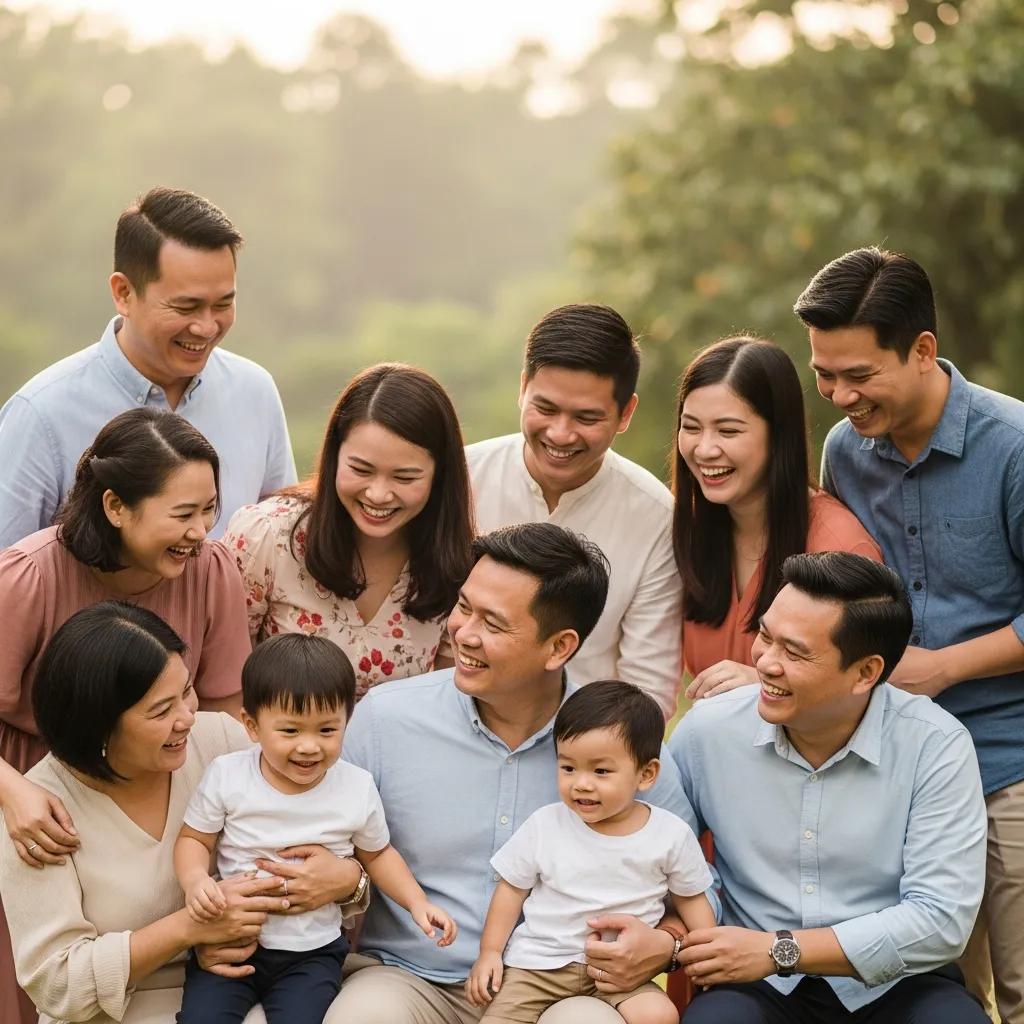
Managing Family Dynamics During Wedding Photos: Your Guide to Stress-Free, Harmonious Wedding Family Portraits
Family relationships shape the memories you keep from your wedding day, and managing those dynamics during wedding family photos is essential to preserve meaningful portraits rather than create stress. This guide explains how pre-wedding planning, thoughtful communication, efficient timeline design, and empathetic photographer leadership reduce tension and deliver harmonious wedding family photos that reflect real emotion. You will learn practical tools—shot lists, liaison roles, posing strategies for divorced or blended families, timeline templates, and post-wedding sharing etiquette—that help you prioritize what matters and move through group photos with calm and clarity. The article maps five actionable sections: pre-wedding planning and shot lists; handling divorced and blended family scenarios; designing an efficient wedding day family photo timeline; sharing photos and managing expectations after the wedding; and what luxury photographers do to create a seamless, stress-free experience. Throughout, terms like family dynamics photography, family photo shot list, wedding day coordination, and photographer family wrangling tips are used to link strategy with execution so couples and vendors can create harmonious portraits and lasting memories.
How Can Pre-Wedding Planning Ensure Smooth Wedding Family Photo Management?
Pre-wedding planning for wedding family photos means creating a concrete plan that organizes who will appear in which images, when each grouping will happen, and who will coordinate families on the day. This planning works because it turns vague expectations into a reproducible timeline and a prioritized family photo shot list, which speeds transitions and reduces emotional friction. Couples benefit from a clear shot sequence and a designated family liaison who collects relatives, briefs them, and signals readiness; the result is fewer repeat setups and more genuine moments captured. Effective pre-wedding planning therefore directly improves efficiency and preserves the couple’s experience by minimizing interruptions and emotional escalations.
A short checklist can make pre-wedding planning tangible and repeatable.
- Create a prioritized family photo shot list that groups photos by proximity and importance.
- Assign a family liaison or coordinator to gather and shepherd relatives during each block.
- Schedule a pre-wedding consultation with your photographer and planner to review sensitive relationships.
- Build buffer time into the timeline to absorb small delays without derailing the day.
These steps condense planning into actionable items that reduce on-the-day confusion and keep family photo blocks moving smoothly. The next subsection explains what a family photo shot list looks like and offers a template you can copy for your own timeline.
What Is a Family Photo Shot List and How Does It Help Organize Wedding Photos?

A family photo shot list is a prioritized sequence of specific groupings and poses that guides the photographer and family liaison through each photo block, saving time and preventing missed combinations. It helps because it sets expectations, prevents overlapping requests, and ensures the most important portraits are captured early while energy and schedules permit. A practical template follows a clear order: immediate family first, then extended family, followed by mixed or blended-family groupings, and finally any special combinations with friends or the bridal party. Sample template items include: Couple + Parents, Couple + Siblings, Couple + Parents + Siblings, Couple + Extended Family, and Bride/Groom with Step-Parents or Children.
Use this sample shot-list structure to prioritize what matters most for your album.
- Immediate Family: Couple with both sets of parents and siblings first.
- Blended/Step-Family Groupings: Step-parents with children and couple together.
- Extended Family: Grandparents, aunts/uncles, and large family groups last.
A clear, ordered shot list reduces decision fatigue on the wedding day and lets the photographer focus on expression and composition rather than logistics, which leads into how to communicate these expectations to relatives before the wedding.
This table aligns groupings with preparation steps and realistic time allotments so couples can assemble an efficient shot schedule that matches venue logistics and guest mobility. Understanding how to communicate these plans clearly to family is the next critical step.
After building a shot list and logistics plan, many couples choose to bring in a professional to turn the checklist into a day-of system. Amore Wedding Photo and Video exemplifies a luxury approach to pre-wedding planning by offering pre-wedding consultations, white-glove coordination, and a designated liaison role that translates the shot list into clear, rehearsed cues on the day. Their emphasis on a personalized approach and seamless, stress-free process means the photographer and assistants handle family wrangling, freeing the couple to stay present. For couples who prefer hands-off coordination, a brief consultation with a vendor like Amore can operationalize priorities, align sensitive family dynamics, and create a timeline that respects both portrait needs and emotional boundaries.
What Strategies Help Handle Divorced Parents and Blended Families in Wedding Photos?
When family structures are complex, neutral planning and sensitive sequencing are the most effective strategies for producing respectful, harmonious family portraits. Start by defining neutral posing conventions and sequencing photos so divorced parents and step-parents are included without forcing physical contact or awkward interactions. These strategies work because they prioritize dignity, reduce the potential for confrontation, and allow the photographer to create inclusive compositions that read as cohesive without exaggerating intimacy. Using clear wording and discreet logistics keeps tensions low and lets the couple preserve relationships while still recording meaningful images.
Below are practical tactics that photographers and couples can apply to manage these situations smoothly.
- Sequence carefully: Capture couple-only images first, then immediate family with each parent separately before joint groupings.
- Use neutral poses: Position subjects side-by-side, with minimal physical contact unless both are comfortable.
- Assign individual transitions: Have an assistant move between groupings to reduce overlap and repeated interactions.
Applying these tactics creates a calm flow that respects boundaries and leads into specific posing guidance for divorced and blended families.
How to Pose Divorced Parents and Blended Families for Harmonious Wedding Portraits?
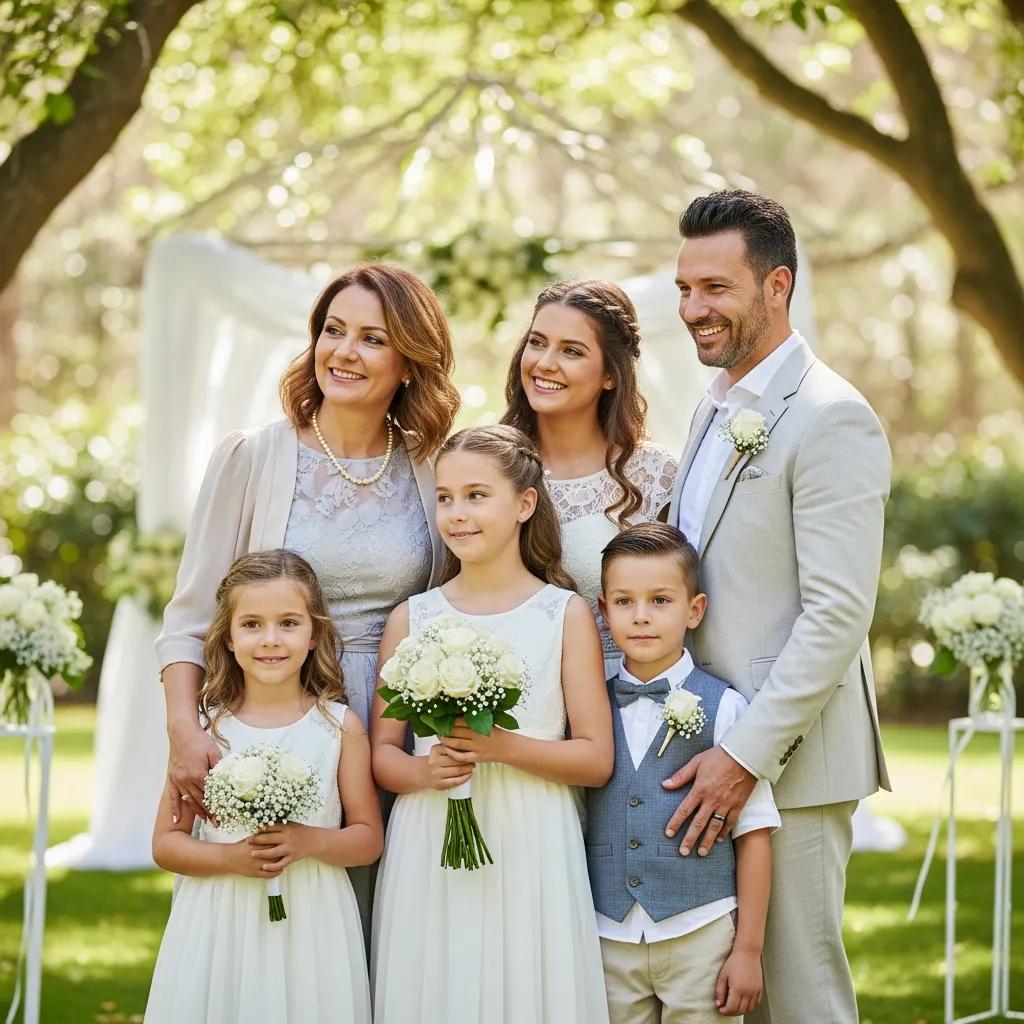
Posing divorced parents and blended-family groups starts with neutral, dignified positions that minimize forced intimacy while still showing connection. Photographers typically begin with couple-only portraits, then photograph each parent with the couple separately before creating combined group images; this sequencing reduces awkwardness because it avoids demanding immediate joint interactions. For blended families, position children and step-parents in ways that suggest closeness without false physical prompts—slight angling, hand placements on shoulders rather than full embraces, and staggered heights communicate unity while honoring boundaries. Use friendly directives: phrases like “look toward the couple and breathe together” or “just a soft step closer” encourage natural expression while avoiding pressure.
These neutral posing strategies maintain emotional safety and lead naturally into including elderly relatives and children without slowing the schedule.
What Are Best Practices for Including Elderly Relatives and Children in Family Photos?
Including elderly relatives and children requires planning for mobility, timing, and attention spans so the family photo process remains efficient and comfortable. Seat elderly relatives when possible, plan seating arrangements into the shot list, and schedule their photos when they are most alert—often earlier in a photo block—to avoid fatigue. For children, use short, high-energy grouping moments, involve a helper or family liaison to entertain or cue kids, and allow quick breaks to keep moods positive. Prepare contingency items such as a quiet room for rest or a helper to fetch essentials; these simple supports prevent long delays and preserve the pace of the timeline.
Thoughtful accommodations for elders and kids prevent bottlenecks and set the stage for an efficient wedding day family photo timeline.
This comparison gives photographers and liaisons a compact reference for posing and phrasing that preserves dignity and reduces conflict, which supports building an efficient timeline for the day.
How to Optimize Your Wedding Day Family Photo Timeline for Efficiency and Harmony?
A well-optimized wedding family photo timeline maps clear time blocks, prioritizes essential shots, and incorporates buffer periods so minor delays don’t cascade into stress. The mechanism is simple: order groupings to minimize movement, cluster photos by location and participant availability, and include a dedicated family photo block with explicit start and end times. When the timeline gives everyone clear expectations and the photographer leads transitions confidently, family dynamics tend to remain calm and cooperative; this results in more natural images and a day that stays on schedule. Coordination with other vendors, such as the planner and venue, reinforces timing and prevents conflicts with ceremony or reception flow.
Below is a sample, copyable timeline couples can adapt for a mid-afternoon wedding day.
- Pre-ceremony portraits (Couple only) — 20 minutes to capture intimate details before guests arrive.
- Immediate family block — 30 minutes for parents, siblings, and grandparents; schedule directly after ceremony.
- Blended family and special combinations — 20 minutes for step-family and children; place before extended family.
- Extended family and group shots — 25 minutes for large groups, with assistant gathering members.
- Buffer time — 10–15 minutes built after major blocks to absorb delayed arrivals.
Numbered timelines give vendors and families a predictable sequence that reduces downtime and stress; the next subsection covers the photographer’s role in making this plan work on the day.
What Role Does the Photographer Play in Managing Family Dynamics During Photos?
The photographer functions as director, diplomat, and timekeeper: they execute the shot list, use clear language to guide poses, and call for transitions that respect family relationships while maintaining speed. This role is effective because the photographer serves as a neutral authority who can reframe awkwardness—by offering positive cues, humor, or brief movement prompts—so subjects feel comfortable and cooperative. Photographers also rely on assistants or a family liaison to gather people, swiftly check name lists, and position elders and children, which keeps the flow uninterrupted and protects the couple’s experience. Confident phrases like “three quick shots and then you can return to the reception” motivate cooperation and maintain momentum.
These photographer-led actions make timeline adherence realistic and lead into specific grouping and energy-management tips that maintain a positive atmosphere.
Which Tips Ensure Efficient Grouping and a Positive Atmosphere in Wedding Photos?
Keeping group photos efficient and upbeat depends on clear cues, small group sizes, and a few mood-boosting tools that photographers and liaisons can use to speed transitions. Play upbeat, familiar music to settle nerves and signal transitions; use short, specific prompts such as “shoulder in, toes forward” to avoid rambling direction; and thank each participant quickly after their shot to acknowledge contribution and keep goodwill. Keep groupings small where possible and use an assistant to call the next group so the photographer can remain focused on composition. These tactics preserve energy, reduce time spent on each setup, and encourage genuine expressions.
A concise checklist of these tactics helps vendors and liaisons run family photo blocks smoothly and prepares the couple for thoughtful post-wedding sharing decisions.
This timeline table provides an actionable model couples can adapt based on guest numbers and venue logistics and naturally leads into how to manage sharing photos with family after the wedding.
What Are Best Practices for Post-Wedding Photo Sharing and Managing Family Expectations?
Post-wedding photo sharing balances timeliness, privacy, and respect for family preferences by establishing clear expectations about delivery timing and how images may be used publicly. The mechanism involves setting a delivery timeline, choosing a controlled distribution method such as a private digital gallery, and providing guidance on social sharing and tagging etiquette. Doing this upfront reduces misunderstandings, prevents premature spoilers, and protects sensitive family moments. Communicating boundaries calmly—and including them in a brief note with gallery access—helps relatives understand the couple’s priorities and reduces pressure on the photographer for ad-hoc edits or immediate reposts.
A short, three-step approach makes sharing straightforward and snippet-friendly.
- When: Provide a clear delivery window (for example, initial proofs within 2–4 weeks).
- How: Use private galleries with password protection or restricted downloads for sensitive shots.
- Privacy: Include suggested captions and tagging etiquette to prevent unwanted oversharing.
These steps form a practical framework for couples and vendors, and the next subsection describes concrete gallery-sharing options and privacy features.
How to Share Wedding Photos Thoughtfully with Family and Respect Privacy?
Thoughtful sharing begins with a private gallery option, allowing the couple to control who sees full-resolution images and which photos are downloadable. Choose settings that enable password protection, expiration links, or restricted download permissions to preserve privacy for sensitive family combinations. Consider a staggered release—sharing immediate family portraits first, then wider gallery access—to prevent online spoilers and manage emotional reactions. Include a short message with gallery links that thanks contributors and outlines basic sharing etiquette, such as crediting the photographer and asking permission before reposting intimate family images.
Using private galleries and staged releases minimizes conflict and protects the couple’s wishes while enabling family enjoyment; the final subsection covers etiquette when families request edits or prints.
What Etiquette Should Couples Follow When Delivering Wedding Family Portraits?
When delivering family portraits, couples should communicate usage rights, be gracious about gift prints, and establish a clear policy for edit requests to avoid ongoing disputes. Start by noting the photographer’s standard delivery timeline and whether edits or reprints incur additional fees, then offer a small set of complimentary high-quality prints or digital files for immediate family as a gesture of thanks. If a family member requests a specific crop or retouch, respond with polite acknowledgment and explain the process and timeline for additional edits. Clear communication, gratitude, and transparency about what the photographer will provide preserve relationships and set realistic expectations.
- Set expectations: Explain timelines and usage rights upfront.
- Offer thanks: Provide small complimentary images to close family.
- Be transparent: Describe the process and possible costs for extra edits.
These etiquette practices transition naturally to how luxury photographers operationalize such policies to deliver a seamless family photo experience.
How Does a Luxury Wedding Photographer Provide a Seamless, Stress-Free Family Photo Experience?
Luxury wedding photographers create a seamless family photo experience by combining pre-wedding planning, a dedicated coordination team, discreet backup professionals, and refined communication that prioritizes emotional intelligence. The mechanism is to remove the logistical burden from the couple: the vendor manages shot lists, liaises with family, and runs timeline blocks so the bride and groom remain present. This model produces effortless elegance in the final images because the team can focus on genuine moments instead of firefighting logistics. Photographers in this category also emphasize real emotion over posed stiffness and maintain a calm, authoritative presence to guide families with empathy.
A luxury workflow typically includes several repeatable steps that vendors and couples can discuss during planning.
- Pre-wedding consultation to map sensitive relationships and priorities.
- Customized shot lists and on-site family liaison to gather groups.
- Day-of assistants and discreet backup staff to ensure continuity if issues arise.
What Personalized Approaches Does Amore Wedding Photo and Video Use to Manage Family Dynamics?
Amore Wedding Photo and Video uses personalized pre-wedding consultations, customized shot lists, and a concierge-style approach to minimize family friction and deliver emotionally honest portraits. Their team emphasizes clear communication with couples to surface potential friction points and crafts a plan that balances must-have images with practical timeline constraints. During the wedding day, Amore typically assigns a designated liaison who coordinates relatives discreetly and uses assistants as backup professionals so the lead photographer can focus on composition and emotion. The result is a seamless, stress-free process that aligns with Amore’s values of effortless elegance and real emotion, and couples who prefer white-glove coordination often find this structure preserves relationships and reduces day-of decisions.
For couples interested in tailored support, scheduling a consultation with Amore Wedding Photo and Video and Kristie Montrois can help translate your shot list and family priorities into a confident, day-of plan.
How Do Discreet Backup Professionals and Clear Communication Enhance Wedding Day Harmony?
Discreet backup professionals and clear communication create operational redundancy and reduce visible stress by ensuring coverage for unexpected absences, equipment issues, or timing shifts. Backups allow the team to reassign tasks immediately without interrupting the flow of photos, while direct communication channels—briefings with the family liaison and concise on-site cues—prevent confusion. In practice, this means an assistant gathers large groups, a backup photographer covers a simultaneous moment, and the lead maintains momentum with short, positive instructions. A simple contingency checklist—who to call, where backups stage, and a 10–15 minute buffer—preserves the couple’s experience and keeps image quality consistent even when plans change.
This operational table demonstrates how role-based redundancy and clear responsibilities preserve harmony and ensure the couple’s priorities are honored throughout the day.
- Checklist: Confirm shot list, liaison, and backup roles in a single document.
- Rehearse: Walk through key transitions during the pre-wedding consultation.
- Buffer: Build short time buffers and assign an assistant to manage arrivals.
These final steps complete a practical blueprint couples and vendors can use to ensure wedding family photos are efficient, dignified, and memorable.
Be the first to comment