
Effortless Bridal Beauty: The Ultimate Guide to Stress-Free Wedding Day Preparation
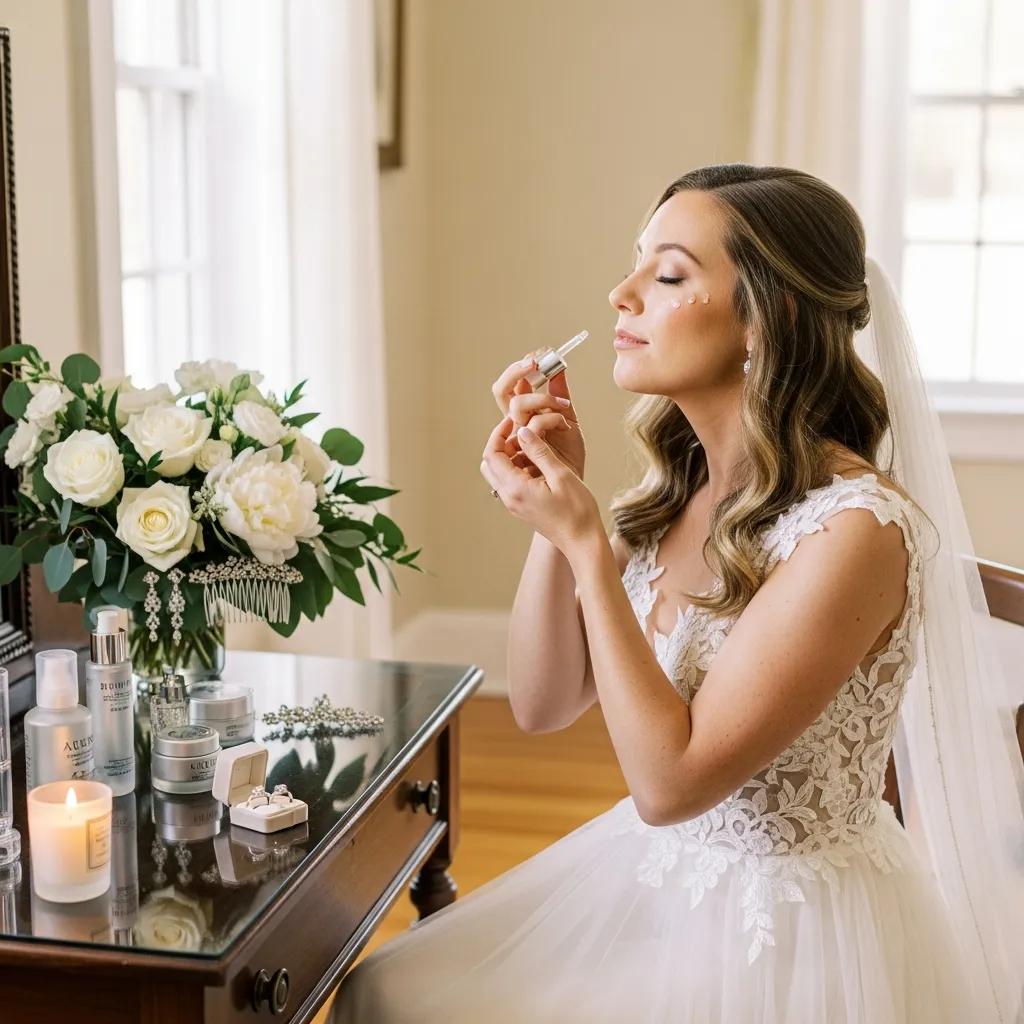
Effortless Bridal Beauty: The Ultimate Guide to Stress-Free Wedding Day Preparation for Radiant Brides
Effortless bridal beauty means arriving at your wedding feeling confident, calm, and camera-ready without last-minute panic or heavy-handed fixes. This guide teaches brides how a structured pre-wedding skincare plan, current 2024–2025 makeup strategies, elegant hair choices, a morning-of timeline, emergency kit essentials, and wellness habits combine to produce a radiant bridal glow and reduce stress. Readers will learn actionable timelines—from a 12-month regimen to day-of touch-ups—along with practical lists and comparison tables designed to be snippet-friendly for quick planning. The article weaves photogenic considerations throughout, explaining how skin, makeup, and hair choices interact with wedding photography and videography to preserve natural emotion and effortless elegance. Expect step-by-step routines, timeline checklists, vendor coordination tips, and simple wellness practices that prioritize both appearance and mental clarity for the big day.
How Can a Pre-Wedding Skincare Routine Create a Radiant Bridal Glow?
A pre-wedding skincare routine creates a radiant bridal glow by systematically improving skin health through cleansing, targeted treatments, hydration, and consistent protection, which together optimize texture and luminosity for photos. The mechanism is cumulative: long-term collagen support and reduced inflammation yield smoother skin that reflects light more evenly, and short-term hydration enhances plumpness and minimizes texture that can read poorly in close-up photography. Below is a concise, snippet-friendly routine that maps to typical timeframes so you can prioritize interventions based on how far out your wedding is. Each step focuses on both daily habit and professional timing to maximize photogenic results while minimizing risk of adverse reactions near the ceremony.
A simple pre-wedding skincare routine to follow:
- Start with a gentle daily cleanse and SPF protection to stabilize the skin barrier and prevent sun damage.
- Add targeted treatments (retinoids or vitamin C) during the 3–6 month window to improve texture and tone.
- Schedule professional hydration treatments or LED therapy 4–6 weeks out to boost radiance without downtime.
- Maintain conservative maintenance in the final week: gentle hydration, no new topical actives, and a patch-test for any product used for the first time.
These steps create a predictable timeline: foundational daily care, mid-term therapeutic interventions, and last-minute radiance maintenance, which together enhance how skin photographs and preserves natural expression for portrait and candid shots.
Intro to the comparative plan table: the following table compares typical pre-wedding skincare phases so you can choose interventions that match your timeline and desired outcomes. It clarifies trade-offs between longer-term treatments and near-term maintenance.
This comparison shows that early investment in consistent care produces the deepest improvements, while shorter timelines favor safe, hydrating, and non-invasive treatments that preserve skin tone and minimize risk. Understanding these phases helps you match professional interventions to your photography schedule and avoid late-stage surprises that affect the camera-ready finish.
What Is the Ideal 12-Month Skincare Plan for Brides?
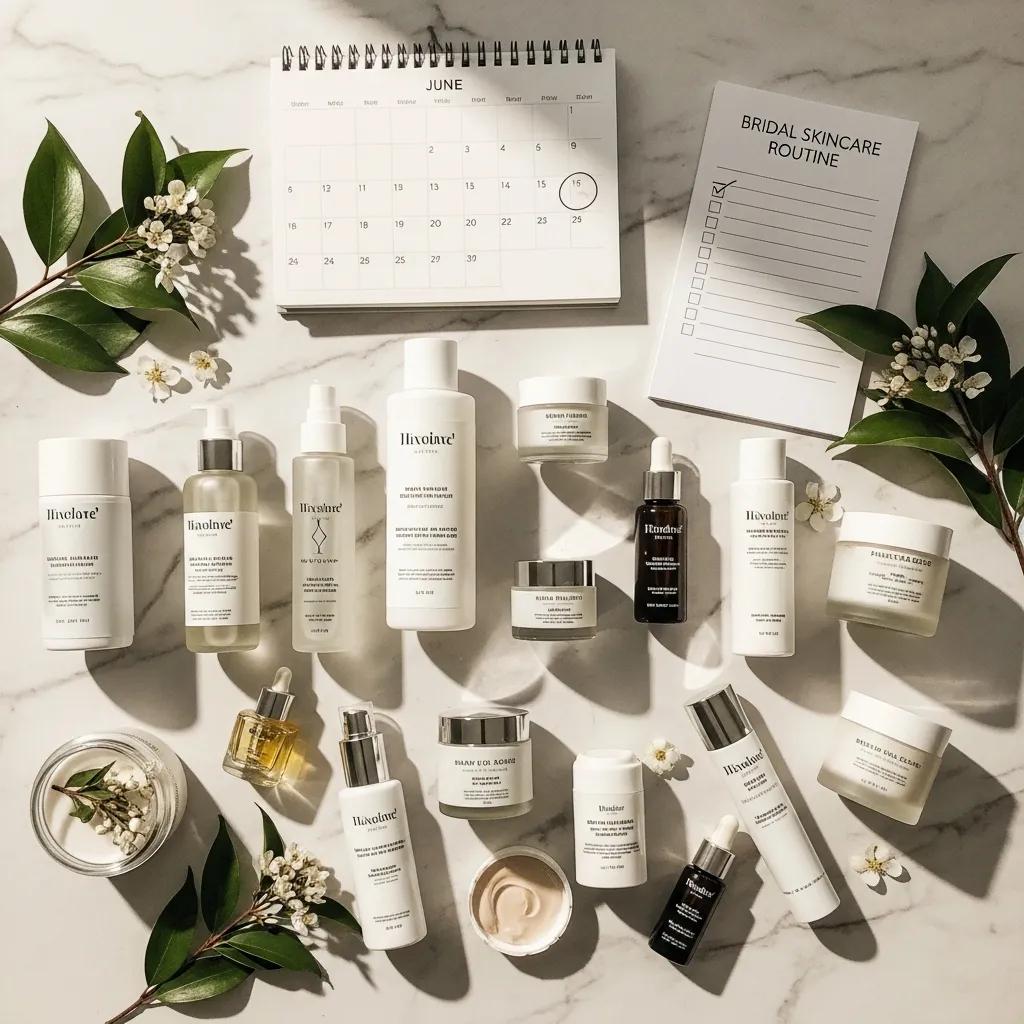
An ideal 12-month skincare plan for brides focuses first on skin health, then on targeted correction, and finally on maintenance, optimizing both long-term texture and short-term radiance. In months 12–9, prioritize establishing a consistent routine—gentle cleansing, daily SPF, and a hydrating moisturizer—to restore barrier function and prevent chronic inflammation that can degrade skin clarity and elasticity. Between months 6–3, intensify with corrective measures such as topical retinoids for collagen stimulation and professional procedures like chemical peels or microneedling scheduled with ample recovery time; these interventions address pigmentation and texture that lighting can exaggerate. In the final month and week, switch to maintenance: increase hydration with hyaluronic acid serums, avoid new actives, and perform patch tests for any makeup or skin product to prevent sensitivity—this sequence reduces the chance of breakouts or reactions that would appear in close-up images.
Which Bridal Facial Treatments Enhance Skin Hydration and Radiance?
Hydrating facials, LED light therapy, gentle chemical peels, and targeted microneedling sessions each enhance skin hydration and radiance but differ in timing and risk profile. Hydrating and oxygen facials provide immediate plumping and an illuminated surface ideal 4–7 days before photography, while LED therapy reduces redness and supports collagen over multiple sessions leading up to the ceremony. Chemical peels and microneedling offer deeper texture and tone improvements when scheduled at least 6–12 weeks prior to allow for full recovery and predictable outcomes. Always consult an esthetician or dermatologist to align treatment intensity with your skin type and photography goals, and perform patch tests to avoid reactive flare-ups close to the wedding date.
What Are the 2024–2025 Wedding Day Makeup Tips for a Flawless, Long-Lasting Look?
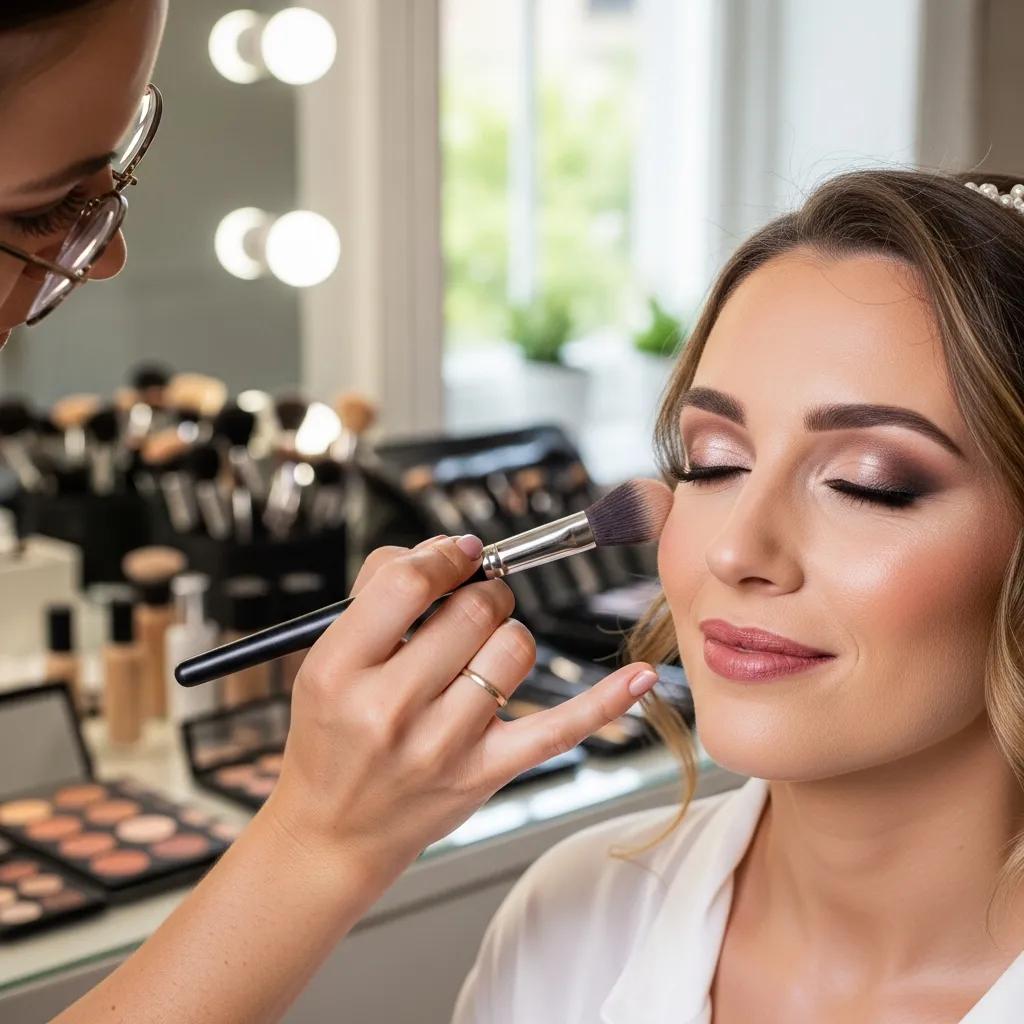
2024–2025 wedding day makeup emphasizes skinimalism and soft glam, prioritizing natural skin texture with selective enhancement and long-wear techniques that remain photogenic under varying lighting conditions. The mechanism of long-lasting bridal makeup combines preparation (hydration and primer), product selection (lightweight, buildable foundations and cream-to-powder textures), and fixation (setting sprays and powder in key zones) to balance longevity and a skin-like finish. A makeup checklist below provides practical, ranked actions and products/techniques to help your look endure through vows, portraits, and dancing. These guidelines also integrate with photography considerations—matte vs dewy finishes, flash performance, and color saturation—so your look reads the same in raw photos and edited albums.
Further emphasizing the interplay between bridal beauty and its photographic documentation, research highlights how wedding photography captures and naturalizes the transformed bridal image.
Bridal Makeovers & Photography for Wedding Beauty
This article explores bridal makeovers, the visual production of bodily transformations in these practices, and the documentation of those transformations through bridal photography. It argues that photography performs three main intertwining functions. First, wedding photographs naturalize gender, emphasizing youth and beauty of the bridal body.
Fashioning cosmopolitan citizenship: Transnational gazes and the production of romance in Asian/American bridal photography, 2014
Use this numbered long-lasting makeup checklist to plan your application and touch-ups:
- Prime strategically: apply a hydrating primer where skin is dry and a mattifying primer only in oily zones.
- Build coverage: use a lightweight, buildable base with targeted concealer under eyes and on spots rather than full-face heavy coverage.
- Emphasize setting: set the T-zone lightly with translucent powder and lock everything with a long-wear setting spray in short bursts.
- Choose photo-friendly colors: select lip and cheek shades with slightly more saturation than everyday wear to retain color in photos.
- Plan touch-ups: pack blotting papers, the chosen lip product, and a compact powder for midday refreshes to maintain balance without overdoing it.
Following these steps ensures a balance between staying power and a natural appearance, and it minimizes flash bounce and mid-day shine that can alter tones in wedding photography. The next section explains how 2024–2025 trends like skinimalism and soft glam practically influence product selection and application.
Intro to makeup comparison table: to choose products that photograph well, this table compares technique attributes and photogenic outcomes so you can match finish and longevity to your venue lighting.
How Do 2024–2025 Bridal Makeup Trends Like Skinimalism and Soft Glam Influence Your Look?
Skinimalism and soft glam in 2024–2025 encourage minimal base coverage paired with selectively enhanced features, creating a look that reads authentic in both candid and posed photos. Skinimalism means using fewer products to let natural texture and freckles show through while evening tone and reducing redness with lightweight coverage; this approach prevents the “masked” look in close-ups and keeps expressions natural. Soft glam focuses attention on eyes and cheekbones with blended contour and luminous highlight, which photographs with dimensionality without harsh edges that editing can exaggerate. Adapt these trends to personal skin types by choosing water-based or hybrid foundations for oily or combination skin, and cream blushes that meld with the skin for a camera-friendly, believable glow.
Why Should You Choose a Professional Makeup Artist for Your Wedding Day?
Hiring a professional makeup artist ensures longevity, camera-savvy application, and stress reduction through reliable setup and predictable timing on the wedding day. Professionals understand how products behave under flash and in different lighting scenarios, and they can adapt formulas to weather and skin conditions while performing patch tests and trials that prevent last-minute reactions. During trials, an MUA will help you refine color choices and transitions between day and evening makeup, as well as advise on touch-up strategies and product swaps to suit photography needs. Coordinating with your photographer ahead of time allows MUAs to plan touch-up windows during scheduled portrait blocks, which reduces rushed fixes and supports a calm getting-ready experience.
Some of Our Favorite Hair and Makeup Vendors
Pennsylvania
- JL Makeup Studio & Beauty Boutique
Website: jlmakeupstudio.com
Location: Lancaster, PA | Services: On-location bridal hair and makeup - Make Me Glam
Website: makemeglampa.com
Location: Philadelphia, PA | Services: Bridal hair and makeup, airbrush, lashes - Up Your Do
Website: upyourdo.com
Location: Philadelphia, PA | Services: Bridal hairstyling specialists - Glam to Go
Website: glamtogopa.com
Location: Pennsylvania (serving wider region) | Services: On-location bridal hair and makeup
Maryland
- UpDos For I Dos
Website: updosforidos.com
Location: Baltimore, MD & surrounding areas | Services: Bridal hair and makeup - Brushed Beauty
Website: brushedbeauty.co
Location: Annapolis, MD | Services: Luxury bridal hair and makeup - Vintage Veils
Website: vintageveils.net
Location: Baltimore, MD | Services: On-site hair and makeup
Virginia
- Best Face Artists
Website: bestfaceartists.com
Location: Northern VA, DC, MD | Services: Bridal hair and makeup - Jules Makeup Artistry & Hair Design
Website: julesmakeup.com
Location: Arlington, VA | Services: On-location bridal beauty - The Updo Artist
Website: theupdoartist.com
Location: Richmond, VA | Services: Bridal hairstyling
Washington DC
- Makeup by Ana B
Website: makeupbyanab.com
Location: Washington DC & DMV area | Services: Bridal hair and makeup, luxury on-location services - Modern Bridal Studio
Website: modernbridalstudio.com
Location: DC Metro | Services: On-site bridal hair and makeup, airbrush, lashes - Bridal Artistry
Website: bridalartistry.com
Location: Washington DC, VA, MD | Services: Wedding hair and makeup, multicultural expertise
Delaware
- Gloss Salon & Color Bar
Website: glosssaloninc.com
Location: Wilmington, DE | Services: Bridal hair and makeup, in-salon and on-location - J. Christian Studio
Website: jchristianstudio.com
Location: Hockessin, DE | Services: Bridal styling, hair, makeup - Glossed & Glammed
Website: glossedandglammed.com
Location: Delaware & surrounding areas | Services: On-location bridal hair and makeup
Which Elegant Bridal Hairstyles Complement Every Luxury Wedding Style?
Elegant bridal hairstyles for luxury weddings prioritize silhouette, movement, and accessory integration so hair supports the dress, venue, and photographic composition rather than competing with them. Hairstyling decisions hinge on hair health—cuts and color should be scheduled to avoid breakage before styling—and on face shape and gown neckline to create balanced proportions in photos. Classic updos, soft low buns, and romantic waves each create distinct lines that photograph differently: updos emphasize necklines and veils, waves provide motion for candid shots, and half-up styles balance structure with softness for close portraits. Consider how accessories will catch light and affect silhouette to maintain a refined, cohesive look on camera.
What Are the Best Updos and Romantic Waves for Bridal Hair?
Best updos include low chignons, twisted low buns, and structured braided upstyles that secure hair for long events while preserving an elegant silhouette for formal portraits. Romantic waves—soft, loose waves pinned to one side or left cascading—create motion and flattering contours that suit outdoor and indoor photography alike, and they often require less product to look natural across candid shots. Scheduling hair trials 4–8 weeks before the wedding allows color, cut, and hold techniques to be refined and tested in rehearsal photos. Use reliable hold products strategically—lightweight sprays and pins—to maintain movement while preventing stiffness that can appear static in photos.
How Can Bridal Hair Accessories Elevate Your Wedding Day Style?
Bridal hair accessories—combs, pins, veils, and jeweled pieces—elevate style by adding texture, focal points, and silhouette contrast, but their scale and reflectivity must be chosen to complement photography. Small pins or combs with matte finishes avoid unwanted sparkles in flash photography, while larger crowns or veils frame the face and can create dramatic backlit silhouettes in portraits. Placement matters: low placements suit low necklines and backless gowns, while high placements accentuate face-framing styles and updos. Secure accessories with extra pins and discreet elastic supports to prevent shifting during dancing and movement; a stylist’s pre-ceremony check reduces the chance of visible adjustments during photos.
How Does a Stress-Free Wedding Day Beauty Timeline Ensure Calm and Confidence?
A stress-free wedding day beauty timeline ensures calm and confidence by allocating realistic time blocks, building in buffers for delays, and coordinating vendor responsibilities so the bride’s preparation flows predictably. The mechanism is scheduling: when hair, makeup, and photography windows are sequenced with slack for touch-ups and unexpected needs, the bridal party can relax and preserve authentic emotion for candid and posed photography. Below is an optimal morning-of schedule formatted for easy capture by AI snippets and planning tools; it is designed to reduce last-minute multitasking and to create clear handoffs between stylists and the photographer. Additionally, integrating vendor consultations into timeline planning reduces overlap and supports smoother getting-ready coverage.
Intro to the timeline table: the timeline table below provides a compact, actionable checklist showing typical actions at specific times before the ceremony, suitable for sharing with vendors and attendants.
This timeline clarifies roles and buffer needs so vendors and the bridal party share expectations, which reduces rushed decisions and preserves composure for portraits and moments captured candidly throughout the morning.
Amore integration: Amore Wedding Photo & Video offers timeline consultations that integrate vendor schedules to create calm, well-paced mornings and ensure the photographer captures natural, prepared moments without interrupting your routine. Their approach focuses on sequencing hair, makeup, and getting-ready coverage so emotional candids and detail shots are captured while allowing room for breathing and last-minute adjustments.
What Is the Optimal Morning-Of Beauty Schedule for Brides?
The optimal morning-of beauty schedule spaces hair and makeup to finish at least 60 minutes before the first portraits, allowing time for dressing, detail photography, and final touch-ups without stress. Begin with early vendor setup and stagger start times so multiple stylists can work without crowding; photographers typically plan getting-ready coverage in parallel to capture natural interactions and details. Build in a dedicated buffer block—45–60 minutes—for last-minute fixes, veil placement, and transitional shots that often become the most emotive images. Clear communication and a printed timeline shared with stylists, attendants, and the photographer help maintain cadence and reduce bottlenecks during this crucial window.
Which Bridal Emergency Kit Essentials Prepare You for Any Beauty Surprise?
An emergency kit should be compact but impactful, containing items that solve the most common beauty problems and keep you photo-ready throughout the day.
- Blotting papers to control shine without disturbing makeup
- A small sewing kit and safety pins for wardrobe fixes
- A stain remover pen for accidental spills
- Extra bobby pins and a travel hairspray for loosening or securing styles
- A compact powder and concealer for quick touch-ups
- Pain relievers and bandages for minor aches
- A miniature scent-free deodorant to stay fresh
Assign a trusted attendant to carry the kit and keep it accessible during portraits and reception transitions. These essentials reduce stress and enable quick fixes that preserve both appearance and confidence for photos.
Introductory summary after the list: having a single, well-stocked kit held by an attendant or the maid of honor transforms potential emergencies into small, manageable moments rather than disruptive crises. This preparation keeps the day moving smoothly and ensures that both posed and candid images remain undisturbed by avoidable issues.
Why Is Bridal Wellness Crucial for Stress Reduction and Wedding Day Radiance?
Bridal wellness links nutrition, hydration, sleep, and stress management to visible beauty and emotional readiness, shaping both how you look and how you feel on the wedding day. Physiologically, hydration and balanced nutrients influence skin turgor, reduce puffiness, and support hair shine, while consistent sleep and stress-reduction practices minimize cortisol-driven inflammation that can exacerbate breakouts and under-eye darkness. Wellness practices also create psychological reserves that help you manage unexpected moments with composure, which shows in relaxed facial expression and candid photographs. The sections below outline practical nutrition and hydration habits and brief stress techniques to support both appearance and wellbeing.
Indeed, the profound connection between a bride’s overall well-being and her wedding day experience is further supported by systematic reviews on premarital health and stress.
Bridal Stress & Wellness: A Systematic Review
The aim of the Systematic Literature Review was to identify the physical and mental health, stress level in facing premarital. Design of the study was a literature review. This review was conducted according to the Cochrane guidelines for systematic review research and complies with the Preferred Reporting Items for Systematic Reviews and Meta-Analysis. All of the studies reported that physical, mental health and stress level are associated with premarital status.
BRIDE-TO-BE’S PHYSICAL, MENTAL AND STRESS HEALTH IN THE FACE OF WEDDING PREPARATION, L Triana, 2024
How Do Nutrition and Hydration Impact Bridal Beauty?
Nutrition and hydration influence skin clarity and hair strength by supplying building blocks for collagen synthesis, cellular repair, and surface hydration; poor choices can increase inflammation and puffiness that translate poorly in photos. Prioritize lean proteins, omega-3 fatty acids, antioxidant-rich fruits and vegetables, and consistent water intake in the weeks before the wedding to support skin elasticity and even tone. Avoid high-sodium meals and alcohol the day before and the morning of the ceremony to reduce bloating and under-eye puffiness. Simple last-minute fixes include cold compresses for puffiness and hyaluronic-acid-based moisturizers for immediate plumping that shows in close-up shots.
What Stress Management and Sleep Techniques Support a Calm Wedding Day?
Practical stress-management and sleep techniques include consistent sleep hygiene in the week leading up to the wedding, daily short mindfulness or breathing exercises, and progressive muscle relaxation the night before to improve sleep quality and reduce pre-ceremony anxiety. Implement a wind-down routine two hours before bed—low lighting, no screens, and calming activities—to increase restorative sleep, which reduces under-eye shadows and improves skin tone. On the morning of the wedding, two- to five-minute breathwork sessions and simple grounding rituals (such as a quiet walk or a gratitude pause) help steady nerves and maintain clear energy for photographs and social moments. If anxiety significantly interferes with sleep or daily functioning, seek professional support in the lead-up so you can fully enjoy the event.
For capturing your radiant and well-planned wedding day, Amore Wedding Photo & Video can photograph the natural moments that result from thoughtful preparation and a calm timeline; contact Kristie Montrois at Amore Wedding Photo & Video to discuss how their team documents both posed portraits and candid, heartfelt moments while preserving your stress-free routine.
Be the first to comment