
creative wedding
Creative Wedding Ideas: How to Plan a Unique and Personalized Celebration
A creative wedding transforms a template event into a personal story told through theme, venue, décor, favors, photography, and sustainable choices. This guide teaches couples how to translate identity into a cohesive celebration by matching unique wedding themes to unconventional venues, building DIY decorations with clear materials and time estimates, selecting memorable personalized favors, and briefing photographers for creative captures. Many couples struggle to convert inspiration into actionable plans that fit budget, timeline, and venue constraints; this article solves that by offering stepwise decision frameworks, mini how-to projects, and practical checklists. You will find trend-driven theme breakdowns for 2025, an evaluation matrix for unusual venues, three hands-on DIY guides with materials and cost/time estimates, curated favor ideas with customization tips, photography style mappings, and actionable sustainability swaps. Throughout, keywords like creative wedding, unique wedding themes, DIY wedding decorations, unconventional wedding venues, personalized wedding favors, and creative wedding photography are woven into concrete planning advice to help you craft a distinctive, guest-forward experience.
What Are the Most Popular Unique Wedding Themes for 2025?
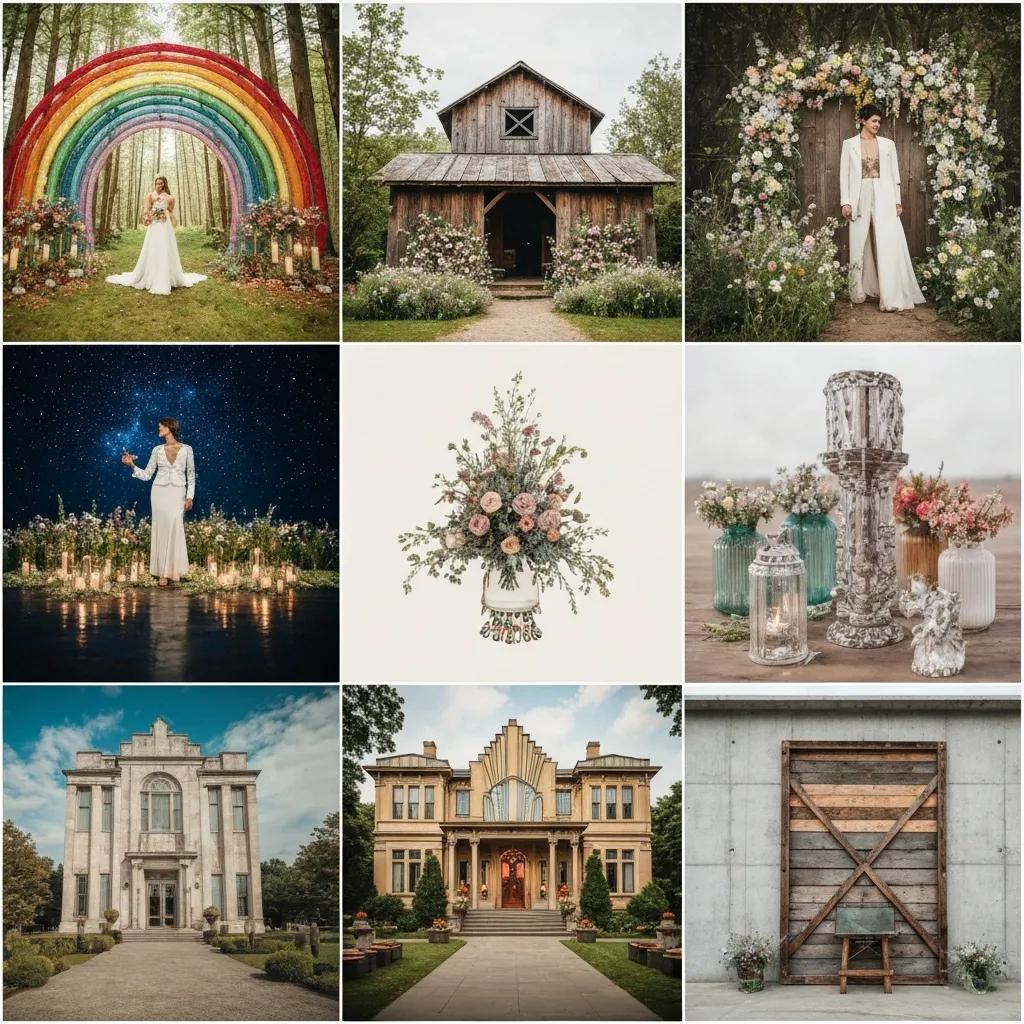
A wedding theme defines the visual language and emotional frame of your day by aligning palette, signature decor, and venue choices to tell a consistent story. Themes work because they guide vendor selections, inform photography mood, and create memorable moments that feel intentional rather than incidental. For 2025, couples prioritize authenticity, sustainability, and immersive atmospheres that blend personal history with contemporary aesthetics.
Below is a concise list of top themes to spark direction and serve as a starting point for mood-boarding and vendor conversations.
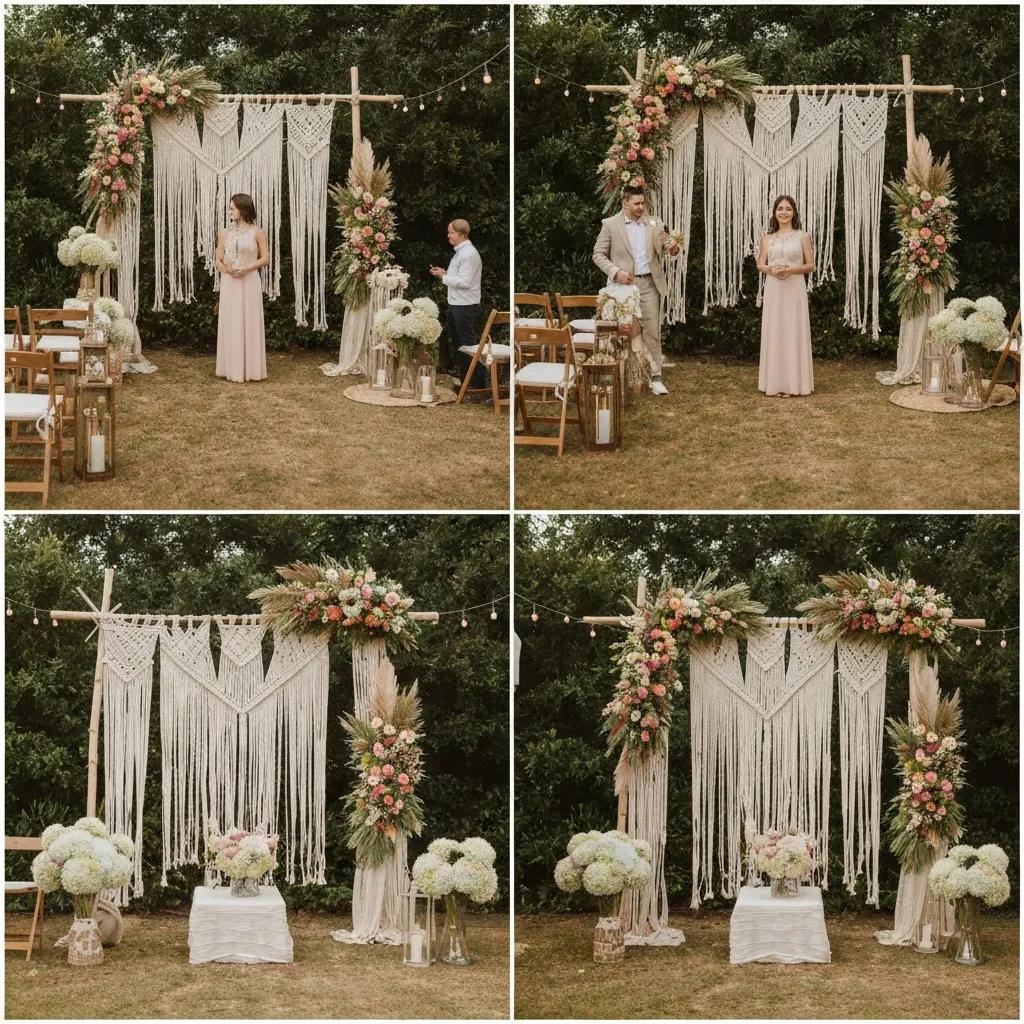
- Boho chic wedding: Emphasizes natural textures, macramé, and relaxed ceremony arcs for intimate garden or barn venues.
- Eco-chic wedding: Centers local florals and rental furniture to reduce waste while feeling upscale.
- Celestial fantasy wedding: Uses deep palettes, starry lighting, and reflective textures for dramatic evening receptions.
- Vintage glam wedding: Mixes antique furniture and film photography to evoke bygone elegance.
- Industrial wedding aesthetic: Celebrates raw architecture with minimalist decor and bold lighting for museum or warehouse venues.
This list provides direction before diving into specifics like palette swaps, signature decor items, and photography mood.
Intro to the themes comparison table: the table below helps you quickly compare theme palettes, staple decor items, and ideal venue matches so you can scan differences and identify the best fit for your story.
This comparison clarifies how palette and decor map to venue choices and photographic moods, making it easier to narrow your top two themes before detailed planning.
Which Creative Wedding Themes Reflect Personal Style and Story?
Translating personal history into a wedding theme begins by identifying recurring motifs—places you’ve traveled, heirloom colors, family traditions, or shared hobbies—and amplifying one or two into visual anchors. Ask simple prompts such as “Which memory feels most like us?” and “What objects do we keep around the house?” to extract motifs that can become color accents, ceremony rituals, or signature set pieces. For example, a couple who met while sailing might emphasize nautical textures and custom drinkware, while a pair who loves stargazing could select celestial lighting and constellation signage. Case studies show that when one or two personal motifs are used consistently—on signage, vows, and favors—the wedding feels cohesive and memorable rather than merely themed. Use mood boards to test how motifs translate into palette, welcome signage, and a photography shot list before committing to vendors.
What Are the Top Trending Themes Like Boho, Eco-Chic, and Celestial Fantasy?
Boho, eco-chic, and celestial fantasy each have distinct hallmark elements that guide décor, vendor choices, and photographic mood. Boho leans on woven textures, mismatched vintage furniture, and candid documentary photography that captures relaxed interactions. Eco-chic prioritizes local, seasonal florals, rental furniture, and minimalist table settings; photographers often emphasize natural light and green tones to convey sustainability. Celestial fantasy leans into dramatic evening lighting, deep palettes, and reflective elements like sequined linens or metallic stationery; this theme pairs with cinematic photography and selective drone work for dramatic overhead shots.
For each theme, note sustainability and budget options—boho can be achieved affordably with thrifted pieces, eco-chic scales with local sourcing, and celestial looks often require lighting and rentals that increase cost.
How Can You Choose Unconventional Wedding Venues for a Memorable Event?
Choosing an unconventional venue requires balancing creative potential with logistics such as capacity, permits, and vendor access; the best choices amplify your theme while remaining practical to execute. Begin by listing practical constraints—guest count, season, accessibility—then map those constraints against venue aesthetics to ensure alignment. Evaluate power availability, restrooms, vendor loading zones, and local permit requirements early in conversations with venue managers so you avoid last-minute surprises.
Steps to evaluate unconventional venues:
- Define priorities: Clarify must-haves like guest capacity, indoor backup, and accessibility for elderly guests.
- Audit logistics: Check permits, power, parking, restrooms, and vendor loading to determine feasibility.
- Match aesthetics: Confirm the venue’s natural features support your theme and photography goals.
- Estimate costs: Include rentals, power, and transport when comparing venues to standard halls.
- Plan contingencies: Develop a rain or weather plan and confirm vendor flexibility for site constraints.
These steps help convert a romantic venue idea into a feasible event plan that supports décor and guest comfort without compromising creativity.
Intro to the venue comparison table: use the table below to weigh pros and cons, approximate capacities, and permit considerations for common unconventional venue types.
This comparative view clarifies how site-specific factors influence production planning and design choices.
What Types of Unique Venues Are Ideal for Creative Weddings?
Unique venue types include museums, libraries, breweries, rooftops, family estates, and treehouses; each type suggests particular decor and logistical needs. Museums and libraries provide built-in character and often reduce décor needs but typically impose rigid vendor rules and insurance requirements. Breweries and industrial spaces offer a relaxed aesthetic and built-in bars but require attention to acoustics and flooring. Natural sites like forests and farms give immediate atmosphere but demand portable restrooms, power solutions, and weather plans.
When choosing, balance the visual impact against vendor access and guest comfort; a site visit at the time of your ceremony can reveal light, traffic flow, and sound concerns that photos cannot convey. Translate those insights into a vendor brief and floor plan to ensure the creative vision survives logistical realities.
How Do Venue Choices Influence the Wedding’s Creative Atmosphere?
A venue’s architecture, natural light, and surrounding context shape décor decisions, guest flow, and photographic possibilities in tangible ways. High ceilings and columns support large arches and theatrical lighting, while low-lit intimate spaces benefit from candles and soft fabrics to create warmth. Outdoor sites change timing—golden hour becomes a primary photography window—and require contingency planning for weather, insects, and sound. For photographers, venue features inform shot lists: a museum warrants wide architectural frames, a forest suggests intimate detail shots, and a rooftop demands testing for wind and lighting. By understanding how venue characteristics dictate practical choices, you can design décor and schedules that enhance rather than fight the site’s innate qualities.
What Are the Best DIY Wedding Decorations to Add Personal Touches?
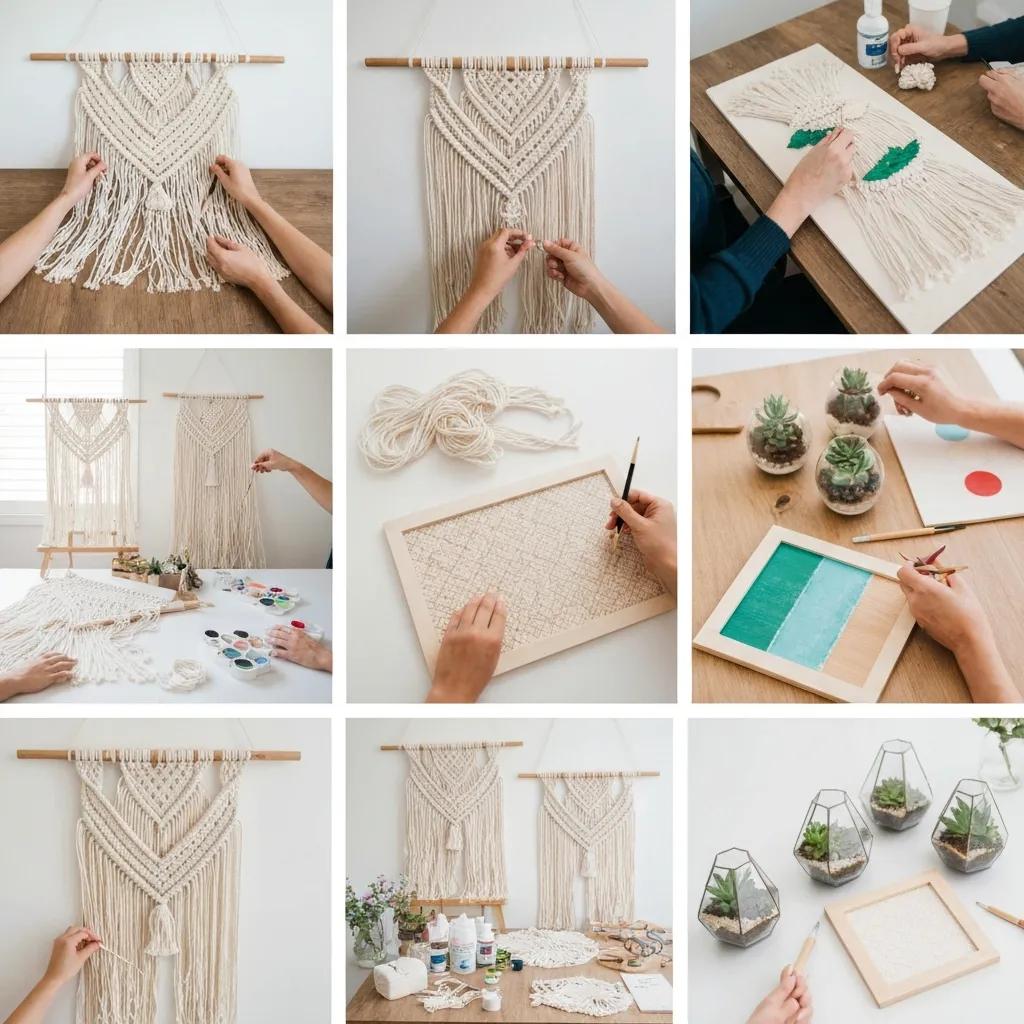
DIY wedding decorations allow couples to add recognizable personal touches while controlling budget and timeline, but success depends on realistic materials lists, clear steps, and honest time estimates. Focus on projects that scale—items like signage, table centerpieces, and ceremony backdrops that can be produced in batches with consistent visual language. Prioritize durable materials that survive transport and weather, and allocate buffer time for assembly and rehearsal. The following list highlights approachable DIY projects that fit common themes and provides a foundation before the step-by-step guides.
Popular DIY decor projects to consider:
- Macramé backdrop for boho ceremonies using cotton cord and wooden dowels.
- Wooden pallet signage painted with chalk or vinyl for rustic or industrial themes.
- Dip-dye linens to create custom napkin palettes for celestial or coastal looks.
- Mini terrarium centerpieces using succulents for eco-chic table décor.
- Hand-lettered place cards that double as keepsakes for guests.
These projects scale to larger guest lists when you recruit friends or hire a local crafter for assembly.
How to Create Popular DIY Decor Items Like Macrame and Wooden Pallets?
A macramé backdrop requires cotton macramé cord, a sturdy dowel or branch, basic knotting knowledge, and about 3–5 hours for a medium-sized piece; create a materials list, practice key knots, and assemble on-site to avoid transit damage.
Wooden pallet signage needs sanded pallet boards, primer, paint, and stencils; allow 2–4 hours per sign including drying time and an extra day for finish curing.
For both projects, test materials for outdoor durability and treat wood with sealant if exposed to moisture. Troubleshooting tips include pre-measuring twice before cutting, using temporary clamps to hold cords while knotting, and transporting flat or loosely rolled to prevent creasing. Follow these steps to ensure DIY pieces are event-ready and photograph well.
Which DIY Decorations Enhance Wedding Themes and Venues?
Match DIY items to themes and placement: macramé and woven rugs fit boho ceremonies in gardens, lanterns and fairy lights complement woodland receptions, while dip-dye linens work well on rooftop or coastal tables.
Scale recommendations: for a 100-guest reception, plan 8–12 centerpieces, 1–2 ceremony backdrops, and 10–15 signage pieces; delegate repetitive tasks to a DIY day with friends or a vendor.
Placement notes: heavier or taller DIY pieces anchor ceremony focal points, while smaller elements like favors and place cards add cohesive detail at each setting. By aligning materials and scale with your chosen venue, DIY décor enhances aesthetic coherence without overwhelming logistics.
How Can Personalized Wedding Favors Enhance Guest Experience?
Personalized wedding favors create a lasting tactile memory and reinforce your theme by offering guests a small piece of the couple’s story to take home. Favors work best when they are useful, reflect the wedding’s narrative, or support sustainable practices like edible or plantable items. When chosen thoughtfully, favors extend the guest experience beyond the day by prompting recall through taste, scent, or daily use. The following curated ideas pair favor types with customization options and cost expectations to help you pick items that fit both theme and budget.
Intro to the favors comparison table: this table contrasts favor types by customization options and typical cost ranges so you can select gifts that align with guest demographics and theme fit.
This comparison clarifies how customization level and cost affect favor selection and perceived value.
What Are Trending Personalized Favor Ideas for 2025?
Top 2025 favor trends emphasize local sourcing, sustainability, and personalization—think jars of local honey with custom labels, plantable seed cards with care notes, and reusable custom drinkware. Many couples choose edible or plantable favors because they align with eco-chic values and travel easily for guests.
For budget alternatives, consider printable favor tags paired with bulk-purchased items like tea sachets or small baked goods; for premium options, custom drinkware or handcrafted candles offer higher perceived value. Include an explanatory note or tag describing the item’s origin or meaning to deepen the guest connection and reinforce the wedding narrative.
How to Choose and Customize Wedding Favors to Match Your Theme?
Choosing favors starts with a simple decision checklist: consider guest demographics (age, travel), budget per head, theme alignment, and transport logistics.
Customize favors using consistent visual cues—matching labels, ribbon, or a small tag that repeats your invitation typography—to create cohesion. For example, match jute ties and kraft labels to an eco-chic theme or metallic foil tags to a celestial or vintage glam aesthetic.
Test a sample favor package and photograph it in your venue lighting to ensure it reads as intended; iterate until the favor feels like a miniature extension of your décor. A clear checklist and sample test reduce last-minute mismatches at the reception.
What Are the Most Creative Wedding Photography Styles to Capture Your Day?
Photography style defines how your wedding will be remembered because style influences composition, color grading, and the types of moments photographers prioritize. Common styles include fine art, documentary, light & airy, moody, film, and editorial—each serving different themes and storytelling aims. Choosing a photography style involves aligning the mood you want to remember with the venue’s light conditions and your chosen theme.
- Fine art: Soft tones, posed portraits; works for vintage glam or library venues.
- Documentary: Candid storytelling shots that suit boho and casual ceremonies.
- Light & Airy: Bright, pastel processing ideal for garden parties and coastal weddings.
- Moody / Cinematic: High contrast and deep tones for cathedral or night receptions.
- Film Photography: Analog texture and organic grain that enhance vintage and editorial themes.
- Editorial / Fashion-forward: Highly styled portraits, perfect for museum or modern rooftop shoots.
These pairings help you specify desired deliverables—albums, galleries, drone clips—and confirm which techniques best capture your theme.
How Do Different Photography Styles Reflect Wedding Themes?
Photography styles reflect themes by translating décor and lighting into visual narrative choices; for instance, film photography evokes nostalgia for vintage glam through color rendering and grain, while documentary approaches foreground candid moments for boho and eco-chic themes.
Create a sample shot list that maps theme moments—first look, table details, parent dances—to style choices so the photographer knows when to prioritize posed versus candid frames. Communicate references (mood board images) and specify key deliverables such as an album, high-resolution digital files, or a short cinematic video to ensure alignment. Clear briefs and sample references reduce creative mismatch and guarantee the photographic archive matches your envisioned memory.
What Are Innovative Photography Techniques Like Drone and Film Photography?
Drone videography and film photography add distinctive perspectives but require upfront planning for permits, safety, and cost.
Drones provide sweeping overhead establishing shots that dramatize large outdoor venues or rooftop cityscapes but often need site-specific permits and an operator with liability coverage. Film photography offers a tactile, archival feel but typically comes with higher per-image cost and longer delivery times due to processing. When hiring for these techniques, include permitting and insurance checks in your vendor contract, schedule flights outside of high-wind windows, and plan for additional turnaround time for film scans. These techniques elevate visual storytelling when used intentionally and when vendors are briefed on both aesthetic and logistical constraints.
How Can You Integrate Eco-Friendly and Sustainable Practices into Your Creative Wedding?
Sustainable wedding planning means prioritizing high-impact, low-effort swaps—local flowers, rentals over single-use purchases, plantable favors, and food waste mitigation—while preserving a premium aesthetic. Sustainability works because it adds narrative depth (story of place and locality) and can reduce costs when rentals and reused items replace one-off purchases.
Start with a prioritized checklist of swaps and vendor questions that focus on sourcing and waste reduction. The three actionable swaps below are easy to implement and yield visible ecological benefits without diminishing style.
- Local seasonal florals: Reduces carbon footprint and supports local growers.
- Rental furniture and tableware: Cuts single-use waste and often costs less than buying.
- Plantable or edible favors: Minimizes landfill contributions and extends guest engagement.
These swaps both reduce environmental impact and reinforce a coherent eco-chic aesthetic.
What Sustainable Choices Can Couples Make for Decor, Favors, and Venues?
High-impact sustainable choices include renting ceremony arches and lounge furniture, choosing potted or locally grown centerpieces that guests can take home, and selecting caterers committed to composting and local sourcing.
Prioritize vendor packages that include pickup and reuse logistics to avoid cluttered post-event disposal.
When choosing venues, prefer sites with existing infrastructure—power, water, waste management—to reduce the need for temporary generators and portable restrooms.
Communicate sustainability choices to guests via your program or table cards to celebrate the intention and encourage participation in waste reduction efforts. These decisions create a cohesive guest experience that aligns visual beauty with environmental responsibility.
How Does Eco-Friendly Planning Enhance the Overall Wedding Experience?
Eco-friendly planning enhances guest perception by creating a sense of purpose and authenticity; guests often notice thoughtful touches like locally sourced menus or favors with meaning.
Stories about provenance—farm-to-table menus, locally crafted favors, or reclaimed furniture—become conversation starters and deepen memories of the event. Cost offsets occur when rental strategies replace multiple one-off purchases and when food waste planning aligns portions to guest counts.
Use a short mini case example: a garden party that switched to potted centerpieces saved on flower orders, allowed guests to take plants home, and reduced waste while reinforcing the event’s garden narrative. These tangible benefits demonstrate that sustainability and creativity are complementary, not oppositional.
Be the first to comment