
Amore Wedding Photo & Video | Luxury Weddings – Pittsburgh & Beyond

Luxury Wedding Photographer Pittsburgh & Beyond: Discover Amore Wedding Photo & Video’s Stress-Free, Timeless Storytelling
Amore Wedding Photo & Video specializes in luxury wedding photography and videography, combining documentary-style storytelling with cinematic finishing to create heirloom media couples cherish. This guide explains what “luxury” means in modern wedding imagery, how integrated photo and video work together, regional considerations across Pittsburgh, Pennsylvania, Maryland, and Virginia, and practical tips couples can use when planning. Many couples seek timeless, unstaged emotion and technical excellence while avoiding complicated vendor logistics; this article addresses those needs with clear definitions, process breakdowns, and selection criteria. You will learn signature techniques for authentic capture, a neutral template for typical luxury package components, stress-reduction practices for wedding-day production, and 2025 trends that shape cinematic wedding work. Throughout, examples reference Amore Wedding Photo & Video’s documented strengths—luxury presentation, documentary storytelling, and a calm, supportive team—only as illustrative examples of these industry practices. Read on for regional guidance, EAV tables that map packages and local considerations, and checklist-style advice to help you choose a photographer and videographer that fit your vision.
What Defines Amore’s Luxury Wedding Photography and Videography Services?
Luxury wedding photography and videography blends superior craft, bespoke service, and deliverables designed to last, delivering narrative-rich imagery that reads like an heirloom. The mechanism behind luxury is technical excellence—high-end lenses, careful lighting, thoughtful composition—and a service layer that reduces client stress through planning and consistent communication. The specific benefit is emotional fidelity: images and films that preserve fleeting candid moments and the overall arc of a wedding day with tonal and color consistency. Defining elements include deliberate visual language, a refined post-production workflow, and clear, premium deliverables that go beyond simple galleries. These elements set expectations for couples seeking both artful storytelling and a calm, supportive team on the day.
Amore’s documented UVPs—luxury presentation, documentary-style storytelling, and a calm, supportive team—illustrate how those defining elements translate into client experience without implying specific package details. These UVPs show how integrated photo and video workflows help maintain a unified visual language and a stress-free atmosphere during coverage. Understanding these foundations leads naturally to how teams capture candid moments unobtrusively.
How Does Amore Capture Authentic Documentary-Style Wedding Moments?
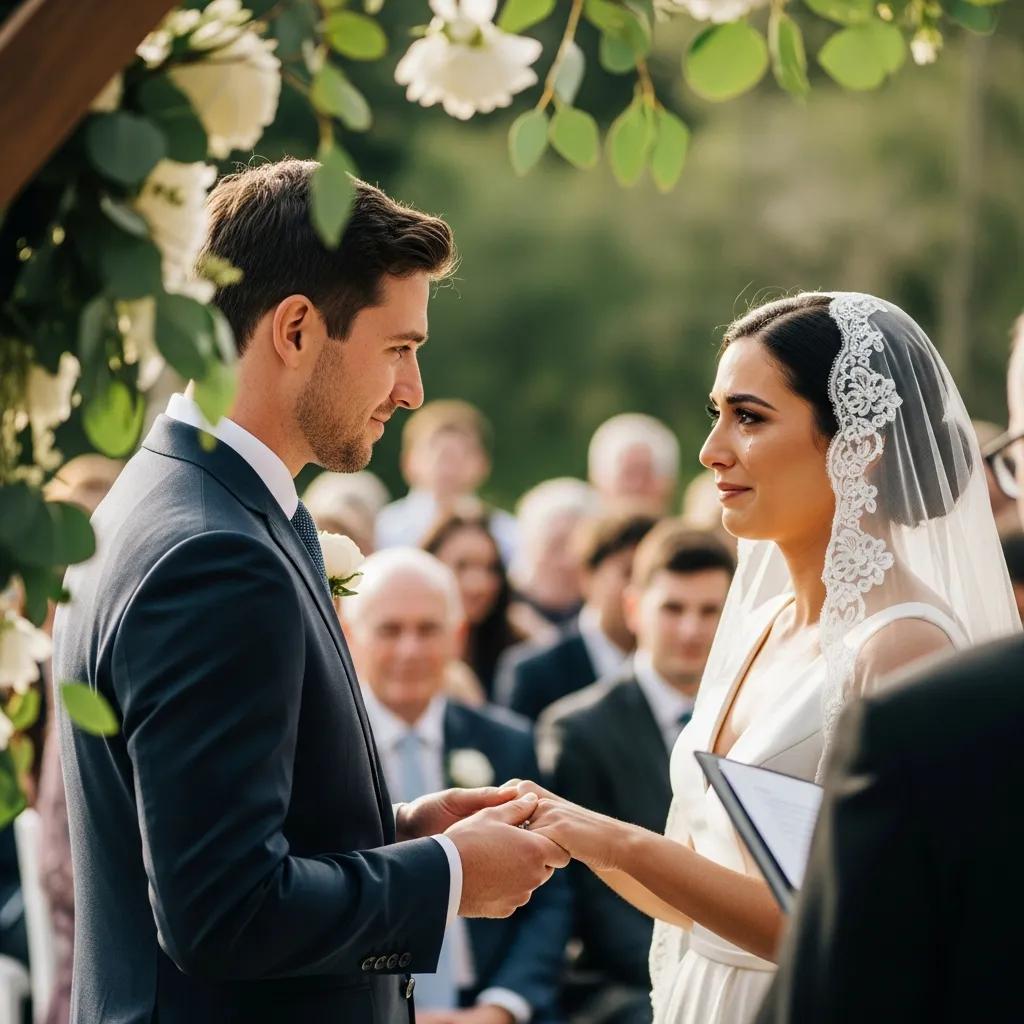
Documentary-style capture emphasizes observation, anticipation, and composition, allowing photographers and cinematographers to narrate a day through candid interactions rather than posed sequences. The mechanism is attentive, mobile shooting with multiple focal lengths and a minimal-directive approach, which preserves natural emotion and creates a coherent narrative from ceremony through reception. The benefit is authentic storytelling—images and films that feel lived-in and emotionally accurate, not staged. Teams practice pre-wedding scouting and shot-list alignment to ensure they are present but not intrusive, which also reduces couple anxiety and preserves timeline flow.
Photographers and videographers often employ a mix of wide and tight framing, selective focus, and moment-driven sequencing to create visual rhythm. This behavior transitions into stylistic choices—how cinematic grading or editorial portraits are used to punctuate the documentary arc.
What Luxury Wedding Photography and Videography Styles Does Amore Offer?
Luxury wedding imagery commonly spans documentary, cinematic, editorial, and film-look styles, each defined by composition, motion, and color. Documentary work prioritizes candid storytelling with natural light and ambient color, cinematic videography uses controlled motion, stabilized camera moves, and graded color palettes to craft a filmic mood, and editorial portraits bring high-contrast posing and refined lighting for polished portraits. The practical benefit to couples is choice: documentary for emotional authenticity, cinematic for dramatic films and highlight reels, and editorial for polished portraiture used in prints and albums.
Choosing a style depends on venue, couple temperament, and desired deliverables—urban rooftops and historic mansions often pair well with editorial portraits, while outdoor park ceremonies favor documentary capture. These stylistic distinctions help inform package contents and post-production decisions, which is addressed in the following section about common package structures.
Which Wedding Photography and Videography Packages Are Available in Pittsburgh, Pennsylvania, Maryland, and Virginia?
A typical luxury package structure groups core coverage, additional team members, and specialty deliverables to match scale and client priorities; the mechanism is modularity—tiers combine hours, deliverables, and add-ons so couples can tailor coverage. The benefit is clarity: couples understand what to expect and can compare offers based on hours, edited photo counts, and film lengths rather than opaque price points. Common components include lead photographer/videographer coverage, second shooters or cinematographers, highlight films, full-length wedding films, drone footage, and same-day edits for guest engagement.
Below is a neutral, reusable package comparison template that illustrates how luxury tiers commonly differ by hours, deliverables, and available add-ons. These are example inclusions only and do not represent specific package names or prices.
Intro: This table maps representative luxury package structures so couples can compare typical inclusions and understand how tiers scale in scope and deliverables.
Summary: This template clarifies how hours and deliverables typically scale across tiers, helping couples identify which attributes matter most for their wedding timeline and storytelling goals.
Intro paragraph: Pricing depends on market variables rather than package structure; understanding cost drivers helps couples evaluate offers. Typical pricing drivers are coverage hours, team size, travel and accommodations, complexity of deliverables, and post-production time. Value in luxury offerings often comes from cinematic color grading, inclusion of a second shooter, drone footage, and same-day edits that engage guests; these are deliverables to prioritize rather than focusing solely on cost comparisons.
- Coverage and Team Size Matter: More hours and additional shooters increase candid capture and storytelling depth.
- Deliverables Define Value: Highlight films, full-length films, and album options often account for post-production time and creative grading choices.
- Logistics Add Up: Travel, permit requirements, and multi-day events create additional planning needs that should be transparent.
Summary paragraph: By separating structural attributes from price, couples can prioritize which inclusions—hours, cinematic grading, drone footage, or same-day edits—deliver the experience they want, and then discuss tailoring options with prospective vendors.
What Are the Pricing Options for Maryland Wedding Photography and Pennsylvania Videography?
Regional pricing conversations should focus on value drivers rather than specific numbers, with clear distinctions between what increases cost and what enhances storytelling. Key mechanisms that influence cost include event duration, team size (lead + second shooter/cinematographer), travel and lodging for destination coverage, permit costs (notably for drone use), and the complexity of post-production such as cinematic color grading and full-length films. The main benefit to couples is knowing which line items directly affect the final deliverable: additional hours and specialized editing yield more comprehensive storytelling.
Understanding these drivers helps couples ask targeted questions during consultations and compare offers based on deliverables rather than headline prices. Emphasizing deliverables—final gallery size, film length, grading style, and album build—ensures couples pay for outcomes that matter to them. These considerations segue into how packages adapt when a wedding is destination or multi-day.
How Do Amore’s Packages Cater to Luxury and Destination Weddings on the East Coast?
Destination and multi-day coverage require logistical planning, multi-day schedules, and synchronized photo+video storytelling so events feel cohesive across locations and days. The mechanism involves pre-wedding scouting, travel coordination, and flexible team allocation to capture rehearsal events, welcome parties, and extended timelines; the benefit is a unified narrative across every moment of a destination celebration. Typical adaptations include increased coverage hours, multi-day rates, dedicated scouting time, and permit handling for locations like coastal Virginia or historic Maryland venues.
Integrated photo and video teams support continuity in visual tone and story arc, ensuring highlight films and galleries match in color grading and narrative sequencing. Planning for travel windows and local permit needs early in contracting reduces day-of surprises and preserves time for creative shooting, leading naturally into stress-reduction practices and on-day team behavior.
How Does Amore Ensure a Stress-Free Luxury Wedding Experience for Couples?
A stress-free luxury experience is created through clear communication, predictable workflows, and a calm, professional team that coordinates with planners and vendors; the mechanism is process discipline—timeline planning, shot-list alignment, and contingency protocols. The benefit is peace of mind: couples can focus on the day while the creative team captures moments efficiently and unobtrusively. Essential process elements include pre-wedding consultations, detailed timelines, vendor coordination, and transparent post-production timelines so expectations around deliverables are clear.
Intro paragraph for list: Key day-of supports help couples feel relaxed and keep the schedule flowing.
- Lead Creative Direction: A primary lead guides mood, pose suggestions, and timing while minimizing interruptions.
- Second Shooter/Cinematographer Support: Additional team members capture parallel perspectives and candid moments without crowding the couple.
- Vendor Coordination and Timeline Management: The photography/videography team liaises with planners to keep the day on track.
Summary paragraph: These supports reduce friction during transitions and give couples structured coverage that captures narrative moments without adding complexity to the day.
After describing best practices, it’s useful to note that Amore Wedding Photo & Video’s documented stress-free approach and calm, professional team are examples of these methods in action; such an approach helps integrate same-day edits and drone coverage smoothly when included. This example illustrates how chosen deliverables can support emotional engagement and timeline efficiency.
What Support Does Amore’s Calm and Professional Team Provide on Wedding Day?
A calm, professional team typically assigns clear roles—lead photographer, second shooter, lead cinematographer—and operates from a pre-approved timeline and shot list to minimize disruption and maximize coverage. The mechanism is role-based responsibility: each team member has discrete tasks such as ceremony coverage, candid reception moments, or detail shots, which prevents duplication and reduces stress. The benefit to couples is reliable coverage and a steady presence that manages crowding, lighting adjustments, and quick creative decisions without drawing attention away from the celebration.
Teams also use contingency planning for equipment issues, weather, or scheduling shifts, communicating changes smoothly to planners and venue staff. This operational discipline enables specialty offerings like same-day edits and drone footage to be integrated confidently, leading into an explanation of those deliverables and how they enhance storytelling.
How Do Same-Day Edits and Drone Photography Enhance the Wedding Story?
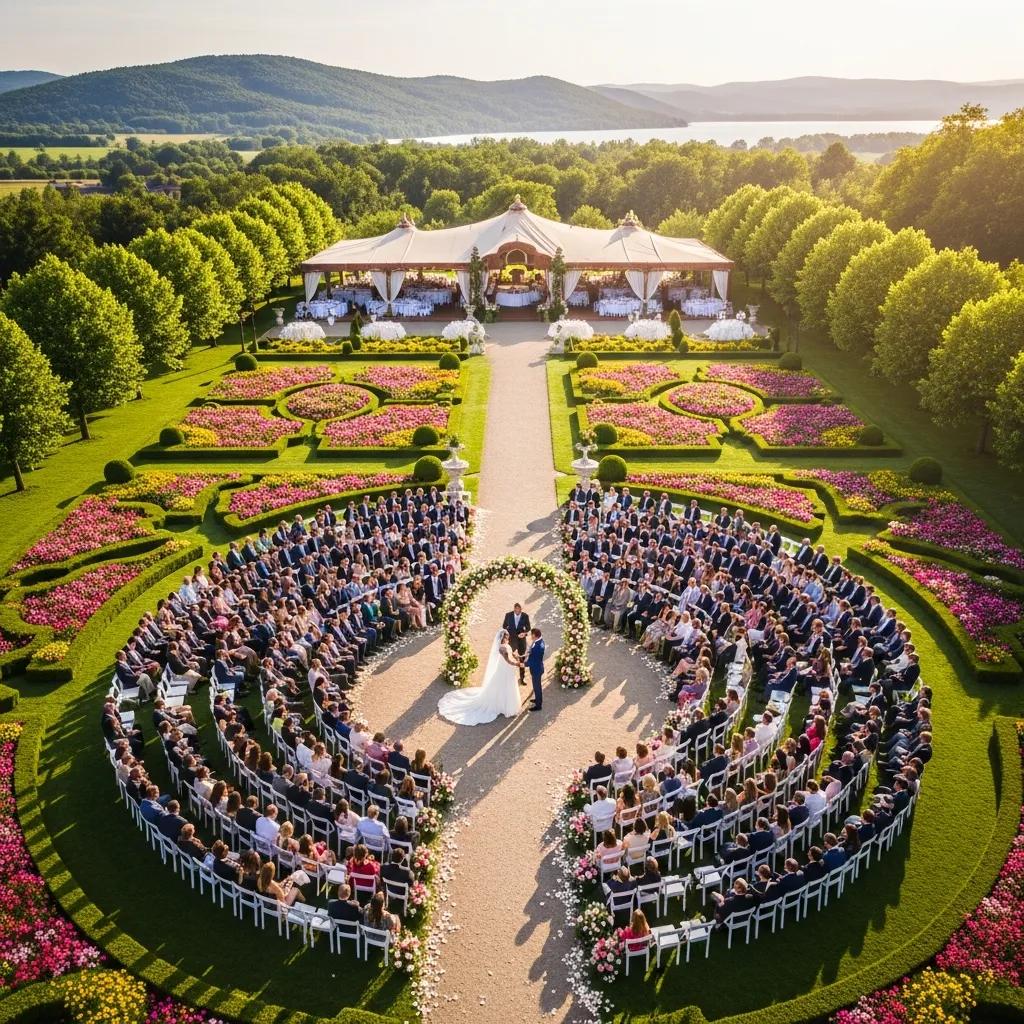
Same-day edits provide a curated highlight reel during the reception, giving guests and couples an immediate cinematic moment that amplifies emotional connection and celebration; the mechanism is rapid post-production workflows that prioritize key moments for immediate sharing. The benefit is heightened guest engagement and a memorable reception moment that showcases the day while post-production continues on longer-form deliverables. Drone footage delivers sweeping establishing shots and unique aerial perspectives, providing scale and context that ground highlight films in place and atmosphere.
Operationally, same-day edits require onsite or near-site editing stations and prioritized footage transfer, while drone work requires pre-checks for permits and safety briefings. Integrating these elements into the timeline ensures they enhance rather than complicate the day, and understanding this integration helps couples decide which add-ons best serve their story.
Where Can You Find Amore’s Wedding Photography and Videography Services Across the East Coast?
Amore’s service footprint includes Pittsburgh and broader East Coast coverage across Pennsylvania, Maryland, and Virginia, adapting services to regional venues and seasonal conditions to deliver consistent luxury results. The mechanism of regional adaptation involves scouting, local lighting strategies, and logistic planning for travel and permits; the benefit is tailored imagery that reflects each location’s character while maintaining narrative cohesion. Service-area guidance should inform vendor selection and timeline planning so venue-specific moments are well-captured.
Below is a location comparison table that outlines best seasons, common venue types, and local considerations so couples can anticipate photographic and logistical needs in each region.
Intro paragraph: This table highlights regional factors couples should weigh when planning for photography and videography across the East Coast.
Summary paragraph: Comparing these regional attributes helps couples and vendors plan timelines, scouting, and permit needs so imagery reflects local character and weather patterns.
What Makes Pittsburgh Weddings Unique for Luxury Photography and Videography?
Pittsburgh offers a distinctive mix of urban skyline views, riverfront parks, and historic interiors that create diverse photographic opportunities; the mechanism is contrast—mixing gritty urban textures with refined indoor spaces to craft varied visual narratives. The benefit is visual richness: couples get both cinematic skyline shots and intimate interior portraits that together tell a layered story. Seasonal light in Pittsburgh changes dramatically, with golden-hour windows that require precise timing for rooftop portraits and earlier sunsets in fall that influence schedule planning.
Photographers in the city often plan for transit time between venues and scout multiple indoor backdrops to adapt to weather; these local logistics inform shot lists and team assignments, which naturally ties into state-specific adjustments for nearby regions.
How Does Amore Tailor Services for Pennsylvania, Maryland, and Virginia Weddings?
Tailoring services for each state involves matching stylistic approaches and logistics to venue types and seasonal conditions—film-look grading and editorial portraits may suit Maryland’s historic sites, while cinematic drone establishing shots complement Virginia’s coastal venues. The mechanism is customization: adjusting gear, team size, and schedule to match venue access, light direction, and permit regimes. The benefit is imagery that respects each location’s character and legal constraints while maintaining a cohesive aesthetic across gallery and film deliverables.
State-specific notes include planning for rural travel time in Pennsylvania, tide and waterfront timing in Maryland, and coastal lighting dynamics in Virginia; these considerations help vendors design efficient timelines and informed shot sequences.
What Are the Top 2025 Wedding Photography and Videography Trends Amore Incorporates?
Top trends for 2025 blend documentary authenticity with cinematic finishing, including cinematic color grading, film revival aesthetics, creative night shots, drone integration, and fully integrated photo+video storytelling; the mechanism is hybridization—combining candid capture with filmic post-production. The client benefit is emotionally resonant media that looks contemporary yet timeless, suitable for screens and prints. Trend adoption requires technical skill (grading, low-light capture, drone operation) and thoughtful creative decisions so visual language remains consistent across stills and moving images.
Below is a trend mapping table that explains each trend, the technique used, and the client benefit to clarify how these approaches enhance wedding storytelling.
Intro paragraph: The table below maps 2025 trends to techniques and benefits, giving couples clear reasons to consider each approach for their wedding coverage.
Summary paragraph: These trends show how technical practices and post-production choices translate into deliverables that feel both contemporary and enduring, giving couples options to prioritize based on aesthetic and narrative goals.
How Does Documentary Style and Cinematic Color Grading Elevate Wedding Visuals?
Documentary capture secures authentic moments while cinematic color grading sculpts mood and narrative continuity, and together they produce imagery that reads like personal cinema rather than isolated photos. The mechanism is complementary: documentary techniques capture raw emotion and behavior, while grading refines tonality, contrast, and color relationships to emphasize mood and brand the story. The benefit is emotionally coherent media that translates across highlight reels, full-length films, and printed albums, creating a unified heirloom.
Technically, this requires consistent color pipelines and collaboration between photographers and colorists to ensure stills and video share visual language, which informs how couples choose integrated teams and post-production options.
Why Are Drone Footage and Creative Night Shots Essential for Modern Luxury Weddings?
Drone footage offers unique aerial perspectives that establish place and scale, while creative night shots add drama and a cinematic close to the day; combined, they expand the visual vocabulary of a wedding film and gallery. The mechanism involves planning for legal permissions, safe flight operations, and controlled lighting setups for night scenes to achieve cinematic results. The benefit is storytelling variety: drones provide sweeping context and night photography delivers striking, memorable portraits that punctuate the narrative arc.
Logistically, these elements require early timeline allocation and specialist operators, and they reward couples with imagery that elevates both highlight films and printed spreads, leading into how couples should evaluate vendors who offer these services.
How Can Couples Choose the Best Luxury Wedding Photographer and Videographer with Amore?
Selecting a luxury photographer and videographer should be driven by a style match, proven consistency across venues and lighting scenarios, clear communication, and team professionalism; the mechanism is evaluation—using portfolios, testimonials, and targeted questions to verify fit. The benefit is reduced risk and greater confidence that your vendor will deliver the desired visual narrative. Couples should prioritize portfolios that show both candid documentary sequences and graded cinematic films to ensure the provider can execute across required styles.
Intro paragraph for checklist: The checklist below helps couples evaluate prospective vendors during consultations and portfolio reviews.
- Style Alignment: Confirm the photographer/videographer’s portfolio reflects the visual mood you want for both stills and films.
- Experience with Venue Types: Ask for examples shot in similar lighting and architecture to your venue.
- Team and Workflow Clarity: Verify lead roles, backup plans, and post-production timelines during the contract.
- Deliverable Specifics: Confirm gallery size, film lengths, grading approach, and album options.
- Permit and Travel Readiness: Ensure the vendor understands drone permits and regional logistics for destination or multi-day events.
Summary paragraph: Using this checklist during meetings and calls makes vendor selection systematic and allows couples to compare offers by outcomes rather than promises, ensuring alignment on both creative and logistical fronts.
What Should You Look for When Selecting a Luxury Wedding Photographer in Pittsburgh and Beyond?
Look for portfolio consistency across lighting conditions, clear examples of integrated photo+video storytelling, and transparent process descriptions that include timelines and contingency plans. The mechanism here is verification—confirming that imagery is repeatable across different venues and that the team’s behavior aligns with a stress-free presence. The benefit is reduced uncertainty and a reliable path to the finished gallery and films you expect.
Ask specific questions about sample timelines, how they handle bad weather, and what staging or direction they provide versus when they observe candidly. These inquiries clarify whether the team’s approach matches your desire for documentary authenticity, cinematic drama, or an editorial portrait mix.
How Do Client Testimonials and Portfolio Examples Reflect Amore’s Excellence?
Strong testimonials reference specific behaviors—clear communication, calm team presence, timely delivery—and portfolio examples that sequence events into coherent, emotional narratives indicate consistent storytelling skill. The mechanism is evidence—testimonials and portfolios together demonstrate both experience and deliverable quality. The benefit is an ability to predict outcomes: specific, recent testimonials and tightly sequenced albums or films show a vendor’s capacity to perform under similar conditions.
When reviewing portfolios, pay attention to color consistency, the balance between candid and posed imagery, and the inclusion of varied lighting scenarios; request full-day galleries or full-length films where possible to assess narrative completeness and post-production approach.
Creating Aesthetic Wedding Photography: Trends and Techniques
This research examines the crucial role of Direction Wedding Photography in Creating Visual Aesthetic Creations that meet contemporary expectations and trends in the wedding photography industry. The aim of this research is to analyze the key factors that influence the success of wedding photography, identify innovative techniques used by professional photographers, and understand the role of social media and digital platforms in shaping client preferences and expectations. Through a qualitative approach with descriptive analysis, this research explores the perspectives of professional photographers and clients to understand the complex dynamics in producing aesthetic and meaningful wedding photography work. The research results reveal that success in wedding photography depends on the integration of several key factors: technical expertise, artistic sensibility, effective communication and adaptability to contemporary trends. Photographers are required to master innovative tec
Be the first to comment