
The “All-Day Story” Timeline Trend: Getting Ready Through After-Party Without Feeling Rushed
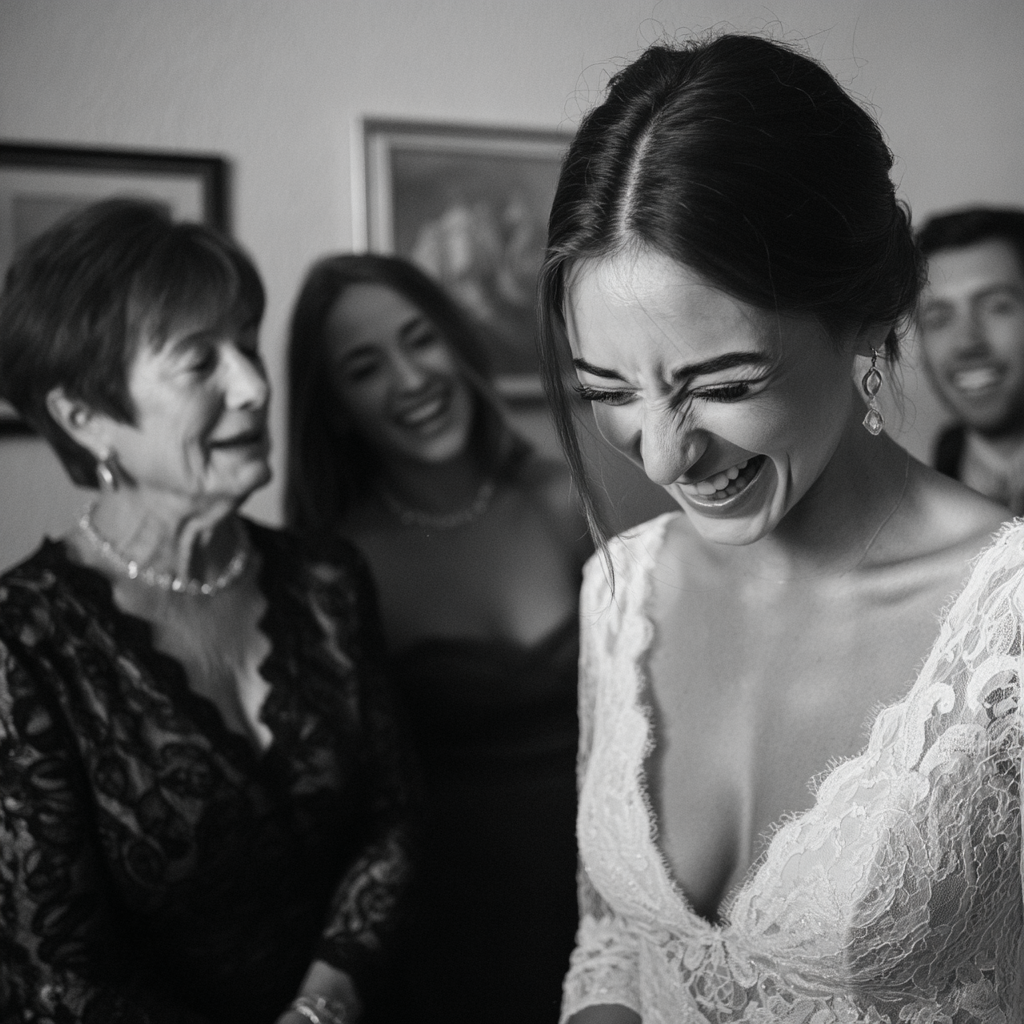
If you’ve ever looked at a wedding timeline and thought, “How are we supposed to enjoy any of this?”—you’re not alone.
For a long time, wedding days were built like checklists:
- get ready
- photos
- ceremony
- photos
- reception
And somewhere in the middle, you were expected to feel here.
In 2026, couples are shifting toward a new trend. It feels much healthier and is more beautiful on camera. This trend is the “all-day story” timeline.
This trend isn’t about adding more to your day. Instead, it’s about pacing—creating a timeline that protects your experience from getting ready through the after-party. As a result, your photos and film feel like a real story, not a sprint.
If you love documentary wedding photography, this choice is one of the best you can make. If you also enjoy documentary wedding videography, it’s an excellent planning decision.
What “all-day story” coverage actually means
All-day wedding coverage doesn’t just mean “more hours.” Rather, it means your coverage is designed to capture the full arc of the day:
- the build-up (nerves, anticipation, quiet moments)
- the peak (ceremony, reactions, celebration)
- the release (after-party, exhale, real joy)
In other words, when you look back, you don’t just see highlights. You see how it felt.
Why this timeline trend is taking off in 2026
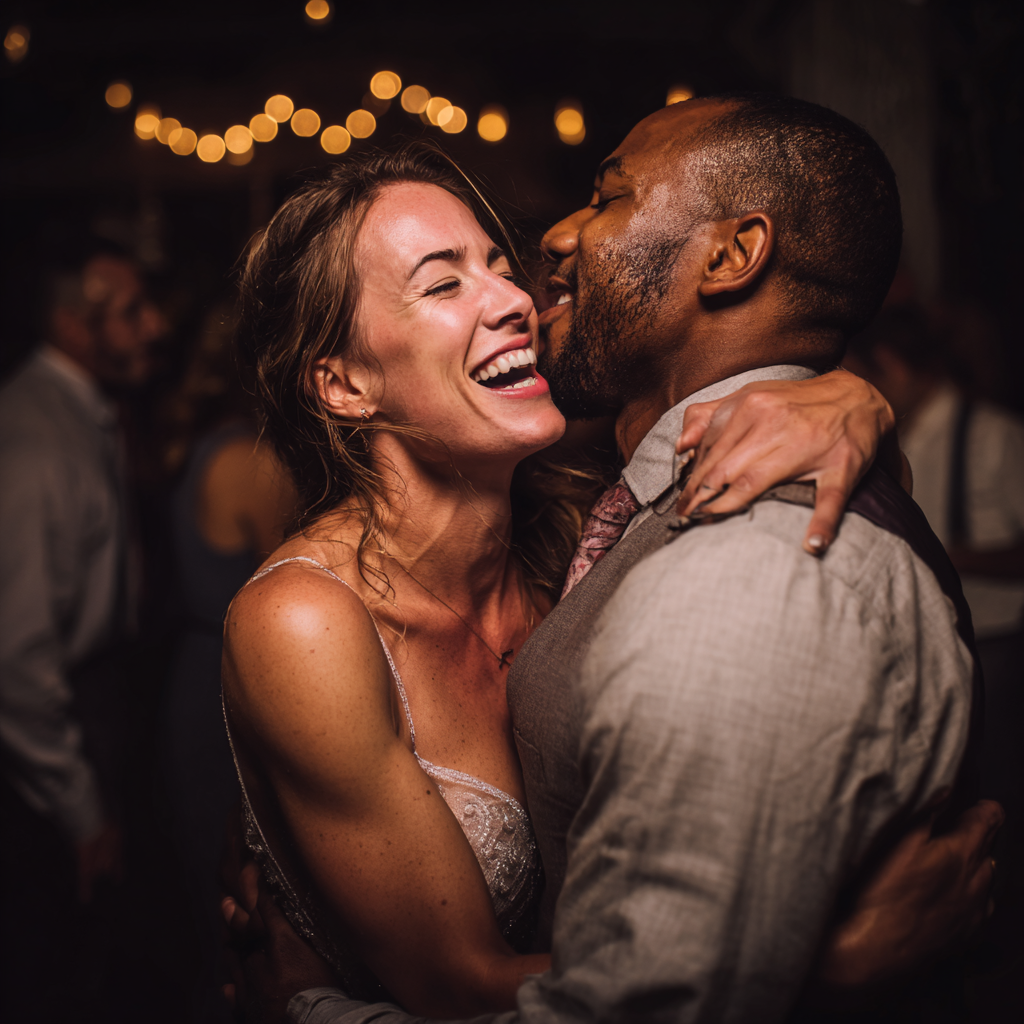
Couples are prioritizing experience over performance. Because of that, timelines are changing.
Here’s what’s driving the shift:
1) Presence is the new luxury
A relaxed wedding timeline is one of the most “high-end” choices you can make.
Because when you’re not rushed, you’re:
- more connected
- more emotional
- more yourself
And that shows up in candid wedding photos.
2) Documentary coverage needs space
Real moments don’t happen on command. Instead, they happen in the in-between:
- the pause before you walk down the aisle
- the hug that lasts a little longer
- the laugh you didn’t expect
So buffer time creates room for those moments to exist.
3) Couples want the after-party story
In 2026, more couples are adding:
- outfit changes
- late-night snacks
- a second location
- a true “nightlife” vibe
All-day coverage means your story doesn’t stop after the first dance. In fact, for some couples, it’s when the most fun chapter begins.
The biggest mistake: packing the day too tight
The #1 reason couples feel rushed is simple: the timeline has no breathing room.
If every segment is scheduled back-to-back, one small delay turns into stress. Then stress turns into feeling like you’re racing your own wedding day.
A documentary-friendly timeline includes:
- travel time (with padding)
- time to eat
- time to breathe
- time to be with your people
A sample “all-day story” timeline (with breathing room)
Every wedding is different. Still, here’s a sample structure that works beautifully for documentary wedding photography and videography.
Morning: Calm start
- hair/makeup begins
- detail photos captured naturally
- slow, candid moments with friends/family
Midday: Getting dressed + emotional build
- getting dressed with your people
- first look or private moment (optional)
- short, relaxed portraits
Ceremony: Protected arrival + presence
- arrive early
- hide away for 10 minutes before the ceremony
- ceremony begins with you feeling grounded
Cocktail hour: Connection + movement
- you actually attend cocktail hour (even for 15–20 minutes)
- candid guest moments
- family photos kept efficient
Reception: Dinner + speeches + dancing
- dinner that isn’t rushed
- speeches with clean audio
- dance floor opens
After-party: The exhale
- outfit change (optional)
- late-night snack
- flash photos + candid chaos
Key: the magic is in the buffer. Even 10–15 minutes between major moments changes everything. As a result, the day feels calmer—and the photos feel more honest.
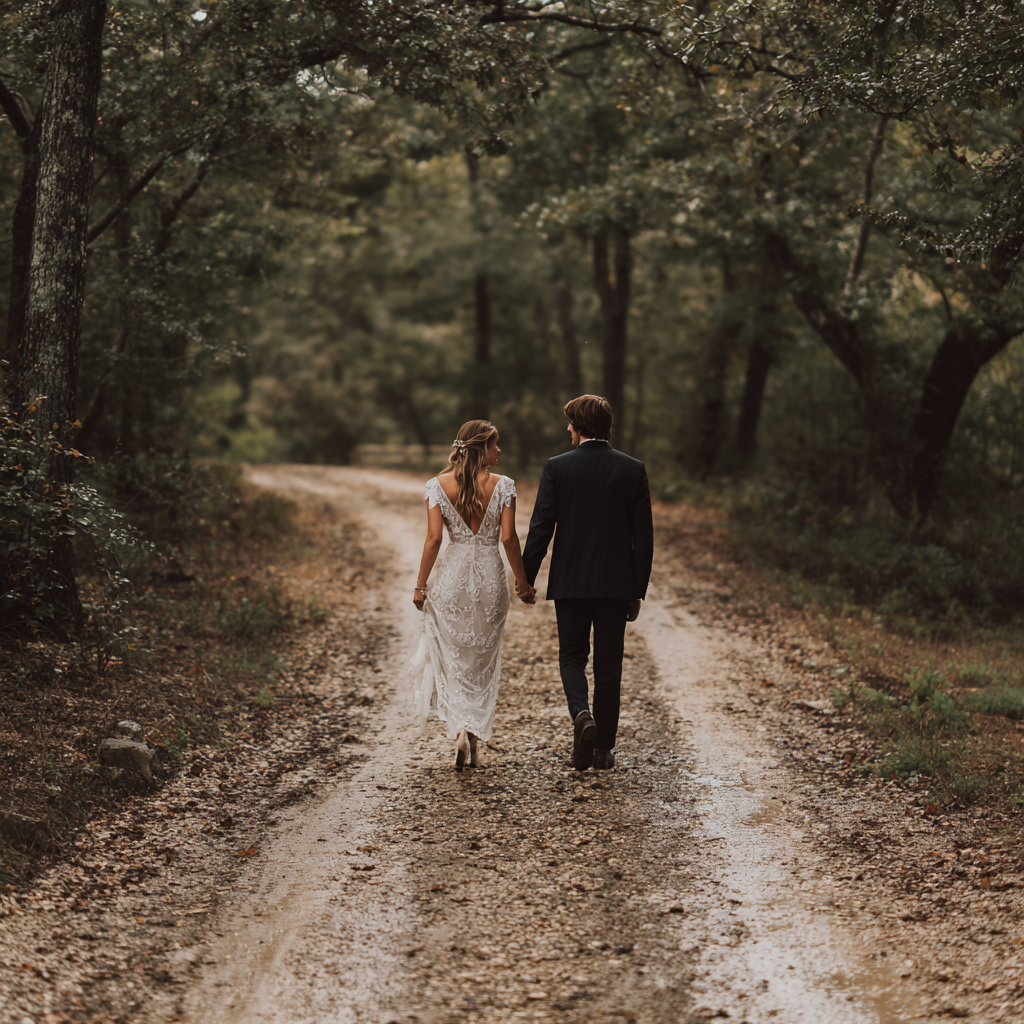
How to make all-day coverage feel easy (not exhausting)
All-day coverage should feel supportive, not like you’re being followed. So here’s what helps.
1) Choose a team that works calmly
A documentary team should blend in, expect moments, and guide you when needed—without turning the day into a production.
2) Build in food + hydration
This sounds basic. But, it’s everything.
Plan for:
- a real breakfast/lunch choice
- water available in getting-ready spaces
- a plate of cocktail hour food saved for you
3) Keep portraits short and intentional
You can get beautiful portraits without disappearing for an hour. Instead, aim for a plan like this:
- 10 minutes: family formals
- 15–25 minutes: unposed couple portraits
- 5 minutes: quick sunset reset (if you want)
4) Protect one quiet audio moment
If you’re doing video, plan one audio-prominent moment:
- private vows
- letters
- a quiet conversation
It becomes the emotional backbone of your film. And because it’s quiet, it usually feels natural—not staged.
Who this trend is best for
All-day wedding coverage is perfect if you:
- want a documentary story, not just highlights
- care about guest moments and relationships
- want an after-party vibe
- want a calm, unrushed day
If you’re more traditional and prefer a short, structured day, you can still do documentary coverage. But, you’ll want to be extra intentional about buffer time.
Closing
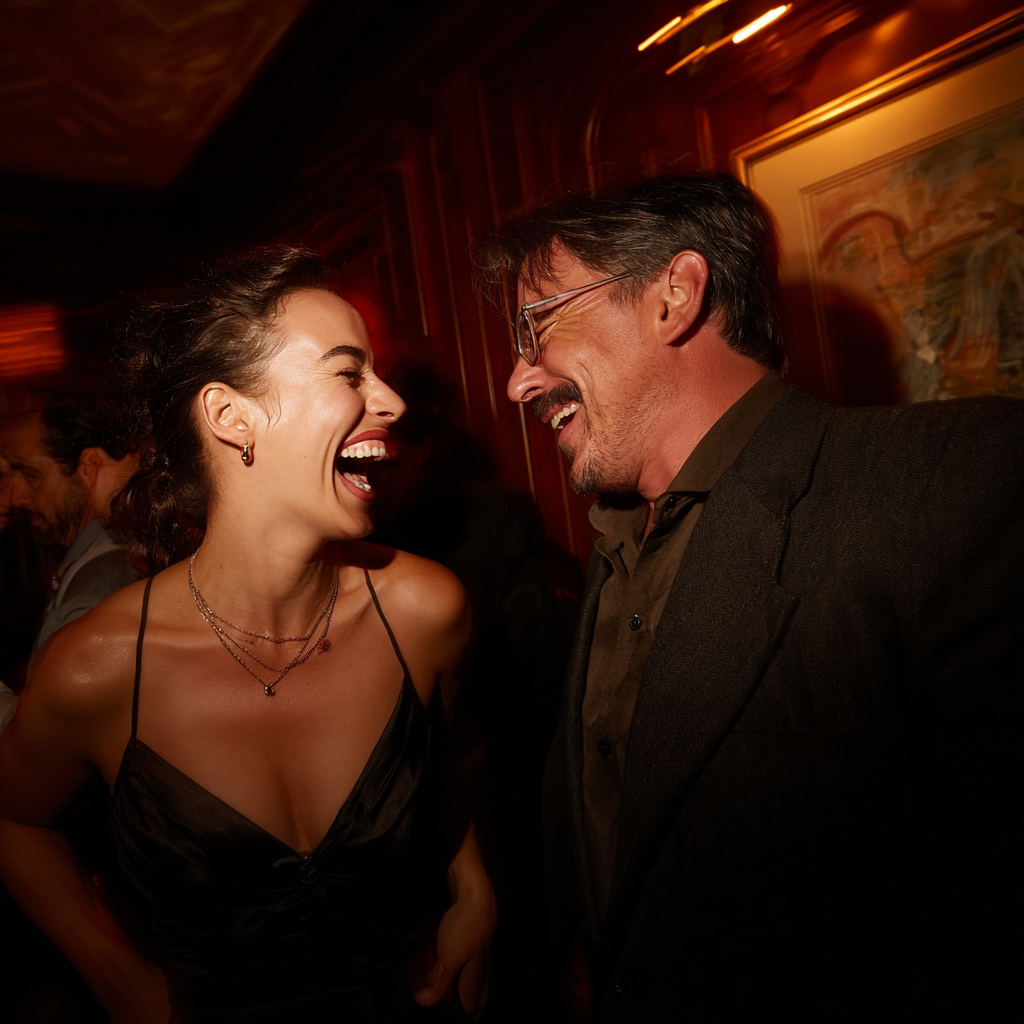
The “all-day story” timeline trend is one of the best things happening in weddings right now. This trend is valuable because it protects what matters most: your experience.
If you want documentary wedding photography and videography, my team and I would love to hear what you’re planning. We aim for a style that feels elevated, calm, and honest from getting ready through the after-party.
Be the first to comment