
January 15th: A Day of Reflection and Acceptance
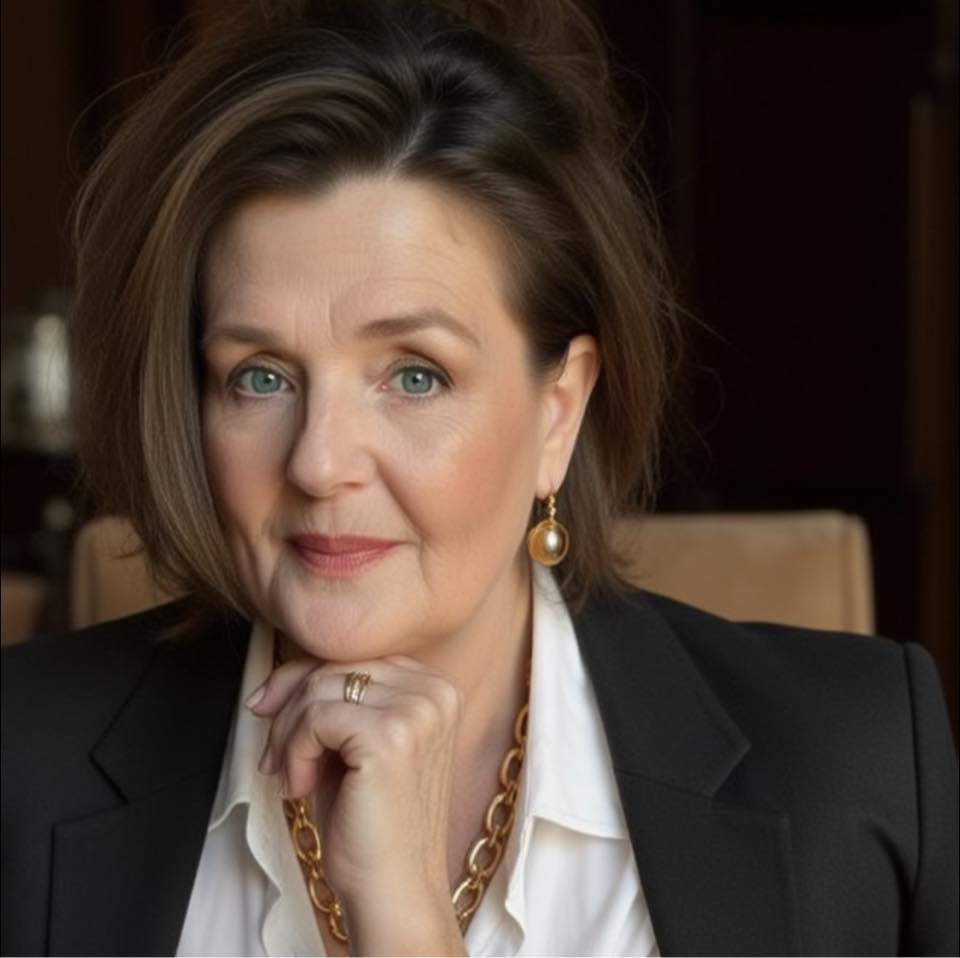
January 15th is no longer just another day on the calendar for me. It’s a day marked by a depth of loss and a reckoning with what it means to love, to let go, and to live on as the last of my immediate family. On this day in 2021, I received a call that changed everything: my mother, who had been in a Covid-related coma since December, was being removed from life support in Waco, Texas. I hadn’t even known she was in a coma until the doctor called to ask if I wanted to take her off life support. That moment closed the last chapter of my family’s story—my brother had passed away in April 2020, my father in September 2009. With my mother’s passing, I became the only one left.
When I arrived in Texas to pack up my mother’s belongings, I learned how much she had suffered in silence. For months, she had needed care she never received. She lived in a three-bedroom house but couldn’t walk to the bathroom. Her landlord would stop by once a day, lifting her from the floor and into a recliner she had soiled over and over. She bought a car she could not drive. The reality of her isolation and decline broke my heart and brought a new layer of grief—one that was heavy with regret and questions that will never have answers.
During the fifteen years we were estranged, people would ask about her. I’d tell them I didn’t know how she was, and, honestly, I was waiting for the call that she was gone because of the path she’d chosen. I never imagined her death would hit me so hard or change me so deeply. It awakened in me a need to care for those who cannot care for themselves and made me hold tighter to the relationships I still have.
My father’s death was especially hard. He raised me. I was a daddy’s girl, and even though he was imperfect and lived a high-risk life, losing him left a wound that still aches. But of the three, my brother’s death was the hardest to bear. He was only 51, and we were close. I still don’t know if it was Covid-19, steroids, or both that took him. Losing him made the world feel emptier, and changed the way I see everything—especially when I’m behind the camera.
I don’t have a single photo of myself with my mother. The only pictures I have with my dad are from when I was very young. I do have a few precious images with my brother, taken just months before he died. Those photographs mean more to me than words can say. Now, as I watch friends and family struggle through their own end-of-life journeys with loved ones, my heart aches for what’s ahead for them. I wish, more than anything, for just a few minutes with any of mine. There is no reconciliation after death. Death is the closure. So much remains unsaid that I can only whisper to the clouds.
Being the last of my family has changed me. It’s made me see the world differently, made me more compassionate, and has driven me to work part-time as a caregiver in nursing homes. I want to be there for those who are alone, to offer the presence and care I wish my mother had received. It’s also made me value the moments I share with others, and the relationships I witness and capture through my photography. Those moments are everything.
If I could offer any advice, it would be this: cherish your time with those you love, even when relationships are messy or imperfect. We don’t always get closure. We don’t always get the words we need. But we do get moments, and those moments are all we truly have. January 15th is my day of reflection—a day to honor the past, mourn what’s lost, and accept what remains. My hope is that, in sharing this, you’ll hold your people close, take the photos, say the words, and treasure the time you have.
Be the first to comment