
Wedding Photography Travel Fees Explained: What You’re Really Paying For (And Why It Matters)
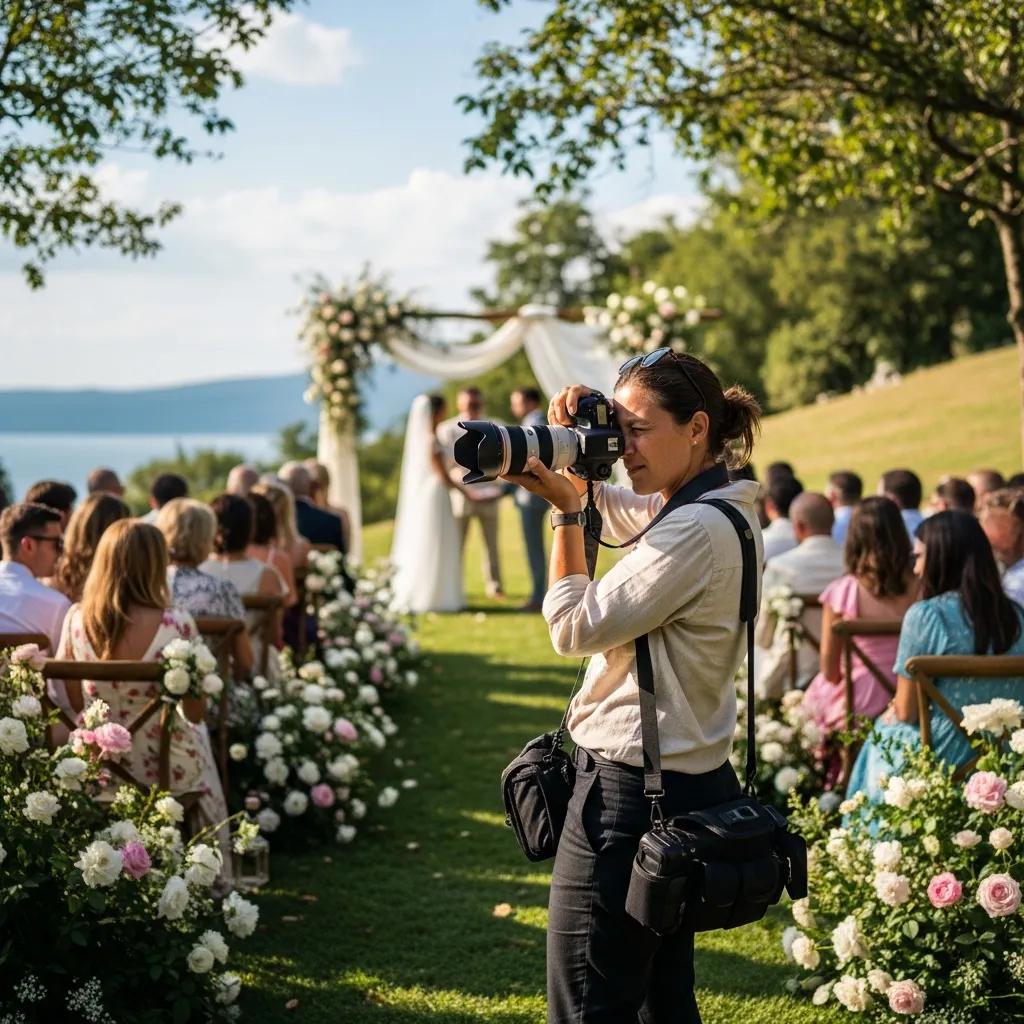
Wedding Photography Travel Fees Explained: Understanding Destination Photographer Travel Costs and What You’re Really Paying For
Wedding photography travel fees are the line items vendors add to cover the logistics of getting a photographer (and their gear) to your wedding location, and understanding them helps couples budget realistically while protecting the quality of their coverage. This article explains what travel fees are, why they matter for the outcome of your images, and how to read and negotiate travel clauses so you get predictable pricing and reliable service. You will learn the components that typically appear in a travel fee, the common calculation methods vendors use, an itemized expense breakdown with sample luxury-context ranges, and practical budgeting strategies for destination weddings. Along the way we’ll show how travel arrangements influence photographer readiness and creative capacity, compare flat versus itemized approaches, and provide checklists to spot hidden costs in contracts. Finally, there is a clear example of how a luxury provider communicates travel pricing so you can compare transparency and value when choosing a destination wedding photographer.
The growing trend of destination weddings, particularly fueled by social media, highlights the increasing importance of understanding the associated travel logistics and costs.
Destination Wedding Photography Trends & Travel
Wedding photography, a traditional intersection between the art and wedding industries, has infrequently been researched from a tourism perspective despite the rising popularity of destination weddings and exotic souvenir photography that coincides with (and caters to) the demand for images suitable for dissemination via social media. The history of wedding photography tourism in Asia is mostly unexplored, perhaps due to the currency of the boom in this phenomenon.
A brief history of Chinese wedding and bridal photography tourism: Through the lens of top Chinese wedding photographers, YJ Zhuang, 2018
What Are Wedding Photography Travel Fees and Why Do They Matter?
Wedding photography travel fees are charges applied to cover travel-related expenses that must be paid so a photographer can reach, work at, and safely return from a wedding location. These fees exist because distance, time away from base, and equipment logistics impose real costs and risks that affect both the final product and the vendor’s business viability. The primary benefit to couples who understand these fees is predictable budgeting and fewer surprises on the final invoice, which preserves planning calm and helps maintain the creative standards you expect. Knowing what’s included in travel fees also gives you leverage to negotiate or consolidate services with other vendors to lower shared expenses.
What travelers often miss is that travel fees also directly impact the photographer’s ability to perform: adequate travel arrangements reduce fatigue, permit scouting, and protect gear — all of which influence image quality and storytelling consistency. The next section breaks down the core cost components you should see itemized so you can compare quotes on an apples-to-apples basis.
What Components Make Up Destination Wedding Photographer Travel Costs?
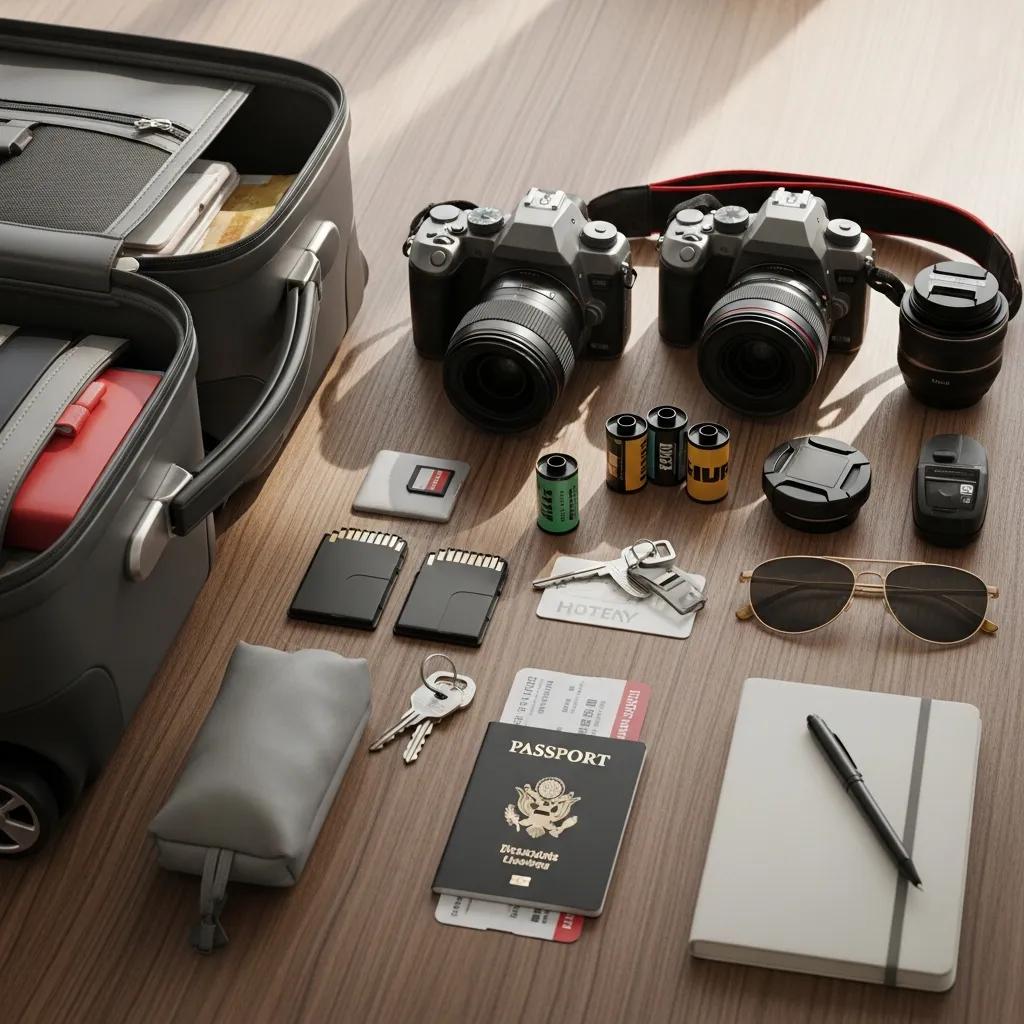
Travel costs for destination wedding photographers bundle specific categories that together enable safe, timely coverage of your event. Flights, accommodation, and ground transportation move the photographer to and from the venue; per diem covers food and incidentals during travel days; equipment shipping and insurance protect the tools that capture your day. Each component varies with distance, destination accessibility, and whether overnight presence is required for scouting or multi-day coverage.
- Flights are priced by class, routing, and baggage allowances and can vary dramatically depending on peak-season demand.
- Accommodation is typically needed for one to several nights and should be near the venue to minimize on-site transfers.
- Ground transportation includes airport transfers, rental vehicles, or chauffeurs sized for equipment and team needs.
Understanding these parts helps you evaluate a quote’s fairness and identify line items that might be shared or reduced by coordinating with other vendors.
How Do Travel Fees Impact the Quality and Experience of Your Wedding Photography?
Travel fees fund logistics that directly influence the creative and operational output photographers can deliver. When a photographer has reliable flights and nearby accommodation, they arrive rested and on schedule, which reduces the risk of missed moments and allows creative flexibility during the day. Proper ground transport and equipment shipping protect delicate gear and enable broader lighting and lens options, improving the technical quality of images and variety in storytelling.
For example, a short-haul trip where a shooter must drive overnight to arrive on the wedding morning may reduce coverage quality due to fatigue; conversely, modestly higher travel fees that cover a night’s hotel and an earlier arrival enable scouting and creative planning, often resulting in stronger portraits and consistent coverage. Those trade-offs matter when comparing seemingly similar price quotes, so the next section explains how vendors commonly calculate these travel fees.
How Are Wedding Photographer Travel Fees Calculated?
Travel fees are calculated using one of several common approaches—itemized billing, flat fees, or mileage-based models—each chosen to balance predictability, transparency, and administrative simplicity. Itemized billing lists actual costs (flights, hotels, transfers, per diem), giving the most transparency but requiring more administrative detail; flat fees provide predictability for couples and vendors on short regional trips; mileage-based fees work well when driving distances are the primary expense. Each approach offers different advantages depending on distance, duration, and complexity of the destination wedding logistics.
Choosing the calculation method affects negotiation options: flat fees are easy to compare but can hide variability, while itemized estimates can be adjusted or shared among vendors for savings. The table below compares these common calculation models and offers typical use cases to help you evaluate vendor quotes.
This comparison clarifies trade-offs: flat fees simplify budgeting, itemized billing provides accountability, and mileage models suit local driving scenarios. After understanding methods, it’s important to see which factors drive those costs in practice.
What Are the Common Methods for Calculating Travel Fees?
Vendors commonly choose flat, itemized, or mileage-based travel fee models to match client expectations and administrative capacity. Flat fees offer a single predictable number that is easy to present in a contract and helps couples budget without last-minute surprises, but they can under- or over-estimate actual costs for very long or complex itineraries. Itemized billing lists each expense so clients can see exactly what they pay for and decide where savings could occur, such as sharing airport transfers with other vendors or downgrading a hotel category.
Mileage-based or per-mile reimbursements are straightforward for short drives and remove ambiguity about fuel and time, but they don’t account for overnight needs or equipment shipping. Choosing the right method often depends on wedding distance and complexity: flat fees are common for short regional travel, itemized billing for international or multi-day assignments, and mileage for local drive-in coverage.
Which Factors Influence the Cost of Photographer Travel Fees?
Several prioritized factors influence how high or low travel fees go: distance and travel time, number of travel days required, seasonal pricing and destination demand, equipment transport needs, and logistical complexity such as visa requirements or customs processes. Distance increases flight or fuel costs and often necessitates additional nights of accommodation; peak season events raise flight and hotel rates and may require earlier bookings to lock reasonable pricing. Equipment needs can trigger checked-bag fees or freight charges and may require specialized transport or insurance, adding to the overall travel cost.
Understanding these drivers lets couples see why a nearby destination might be inexpensive while a long-haul international wedding requires significantly higher fees to ensure the photographer can deliver the same level of creative and technical service. That said, there are practical ways to itemize these costs so you can budget effectively; the next major section shows a typical expense breakdown.
What Does a Typical Wedding Photographer Travel Expense Breakdown Include?
A typical travel expense breakdown groups charges into flights, accommodation, ground transportation, per diem/meals, equipment shipping/insurance, and travel days. Presenting these as discrete line items improves transparency and enables couples to negotiate or share costs with other vendors. The breakdown also helps couples weigh options like same-day travel versus overnight arrival, direct flights versus multi-leg itineraries, and economy versus upgraded seating when long-haul endurance affects creative output.
Below is a scannable table comparing common travel cost components and their typical impact on total fees in a luxury wedding context.
This table highlights where most of the travel budget is consumed and which elements you can influence with early planning or vendor coordination. Understanding flights more deeply reveals why they often dominate travel fees.
How Do Flights Affect Travel Fees for Destination Weddings?
Flights are frequently the single largest contributor to travel fees because of distance, class of service, baggage allowances, and seasonality. Direct flights or premium-class upgrades dramatically increase cost but can reduce travel time and fatigue, which matters for long-haul assignments where photographer alertness and performance influence the final images. Last-minute bookings or peak-season travel (holiday weekends, destination high seasons) can spike costs, while early booking often yields more favorable pricing.
When assessing flight charges, couples should weigh the incremental cost of upgraded seating against the qualitative benefits: a refreshed photographer who can scout and work late without exhaustion often delivers better coverage than one arriving immediately before the ceremony after an overnight connection. The next subsection explains accommodation and ground transport choices and their role in the overall fee.
What Are Accommodation and Ground Transportation Costs in Travel Fees?
Accommodation and ground transportation costs are essential to ensure the photographer is rested, on time, and able to move gear safely between locations. Hotels near the venue reduce daily commute time and stress, enabling pre-wedding scouting and timely preparation; conversely, cheaper options far from the venue may save money but increase the risk of delays. Ground transport should be sized to carry equipment safely—sometimes a cargo-capable rental or private transfer is necessary to prevent damage and to meet tight schedules.
Selecting hotels that include breakfast near the venue can also reduce per diem needs and improve efficiency on wedding mornings. Properly chosen lodging and transport are modest additional costs that frequently deliver outsized returns through reduced risk and higher image quality.
Why Are Per Diem and Meals Included in Travel Expenses?
Per diem and meals appear in travel estimates to cover everyday sustenance while a photographer is away from home, ensuring reliable energy for long, physically demanding wedding days. Per diem is typically calculated as a daily allowance per person or bundled into a flat daily food expense; it simplifies accounting and avoids frequent receipt reconciliation. Including per diem avoids interruptions in service that come when a vendor needs to step away for meals or seek cheaper food options that may not fit a tight schedule.
Transparency around per diem—whether tied to receipts or a flat rate—reduces surprise charges and communicates respect for the photographer’s wellbeing, which in turn protects the quality of coverage. After the itemized breakdown, many couples ask how luxury providers present travel fees and what transparency looks like in practice.
How Does Amore Wedding Photo and Video Approach Travel Fees?
Amore Wedding Photo and Video positions itself as a luxury wedding photography and videography service emphasizing a personalized, stress-free experience that blends high-fashion aesthetics with authentic storytelling. The brand emphasizes clear communication and a commitment to transparency around travel costs so couples understand what they are paying for and why certain arrangements are recommended for quality outcomes. Amore’s approach is to present travel as part of a holistic service that preserves the creative vision and reduces logistical risk for destination weddings.
This positioning signals to luxury brides and engaged couples that travel fees are not arbitrary surcharges but investments in the photographer’s ability to deliver a tailored, seamless experience. The following subsections lay out how Amore communicates inclusions and how travel fees typically integrate into packages.
What Is Amore’s Transparent Travel Fee Policy for Destination Weddings?
Amore communicates travel fees by itemizing typical inclusions—such as flights, hotel nights, transfers, and per diem—in proposals so clients can see the practical reasons behind each charge. The policy emphasizes upfront breakdowns in quotes and clear contract language to avoid surprises, with explanations when optional upgrades (like additional scouting nights or expedited equipment shipping) are recommended for creative reasons. This structure reflects a commitment to clarity: clients receive a proposal showing which items are included, which are optional, and how upgrades would influence both logistics and the creative scope.
By communicating inclusions and exclusions clearly in the contract, Amore reduces ambiguity and preserves a stress-free planning experience, ensuring couples can make informed decisions about where to invest to protect image quality. The next subsection explains how travel integrates with package models.
How Do Amore’s Destination Wedding Packages Incorporate Travel Fees?
Amore’s destination wedding packages may either roll travel into a comprehensive package for simplicity or provide an itemized travel estimate as an add-on depending on the scope and complexity of the assignment. For shorter, nearby destinations, a single packaged price may include travel to keep budgeting straightforward; for international or multi-day events, Amore typically provides itemized travel quotes so couples can see exact costs and request adjustments. The company also advertises exclusive perks for early planners, which can help mitigate higher travel pricing when bookings are secured well in advance.
Couples are encouraged to request an exact travel quote early in planning, enabling coordinator-level decisions such as combining vendor transfers or adjusting arrival schedules to reduce overall travel expenses while preserving the creative benefits of adequate scouting and rest.
How Can Couples Budget Smartly for Destination Wedding Photography Travel Fees?

Smart budgeting starts with understanding the travel fee components and prioritizing the elements that impact image quality most: flights for long distances, at least one night’s accommodation before the wedding for scouting, and secure ground transport for equipment. Early bookings, vendor coordination, and transparent contract clauses are your three primary levers to control costs while safeguarding the creative outcome. Planning these elements intentionally allows couples to find savings without compromising the photographer’s ability to deliver high-end imagery.
The table below gives realistic luxury-context price ranges for common expense items and practical budgeting tips to help couples make trade-offs and request specific contract protections.
This budgeting view helps you prioritize where to spend: invest in flights and one pre-wedding night for creative value, and seek shared savings on transfers and equipment shipping where possible. The following lists outline practical steps to reduce travel-related expenses and negotiation levers to include in contracts.
What Are the Benefits of Early Booking and Combining Vendor Travel?
Early booking and vendor coordination unlock multiple savings and reliability benefits that preserve both budget and quality. When flights and hotels are reserved early, couples capture lower fares and better lodging options that benefit photographer rest and scouting ability. Coordinating transfers or arranging shared transport among vendors reduces per-person costs and simplifies on-site logistics, minimizing downtime and stress on the wedding day.
- Early booking secures better pricing and more reliable schedules for both flights and hotels.
- Combining vendor travel reduces duplicate transfer fees and creates more efficient arrival logistics.
- Shared or block arrangements for accommodation can produce group discounts and simplify coordination.
These practices lower total travel expenses while improving schedule reliability; next, learn how to inspect and negotiate contract clauses that address travel day charges and hidden fees.
How Should Couples Understand and Negotiate Travel Fee Clauses in Contracts?
Contracts should explicitly define what travel fees cover, how travel days are billed, who arranges and pays for flights and hotels, and what happens in case of cancellations or vendor illness. Ask for an itemized travel estimate attached to the agreement and request caps on certain line items where reasonable, such as a maximum per diem or a pre-approved upgrade policy. If travel day charges exist, clarify whether travel days count as working time and how overtime or additional shooting days are billed.
- Request an itemized travel estimate within the contract to avoid ambiguous line items.
- Ask for a cap on discretionary upgrades and a clear policy for cancellations affecting travel costs.
- Negotiate shared vendor travel or fee splits when multiple vendors travel to the same destination.
Clear contract language is the best tool to prevent disputes; with good clauses in place, couples and photographers can focus on the creative delivery rather than logistics.
What Are Common Questions About Wedding Photographer Travel Fees?
Couples frequently ask simple, direct questions about travel fees that can be answered succinctly to remove uncertainty and aid decision-making. The primary concerns revolve around typical price ranges, whether travel days are billed as working time, and what hidden costs might appear after signing a contract. Short, transparent answers help couples compare vendors and choose the model—flat, itemized, or mileage—that best fits their risk tolerance and budget planning preferences.
How Much Do Wedding Photographers Typically Charge for Travel?
Travel charges vary widely based on distance and complexity: local day-trip driving reimbursements might run only a few hundred dollars, while international flights and multi-night stays commonly add several thousand dollars to a destination wedding quote. In a luxury context, expect flights and hotels to be the dominant items; couples should request an itemized estimate for an exact figure. The variability is large, so the best practice is to ask vendors for a sample travel estimate tailored to your date and location rather than relying on a blanket number.
Requesting a clear, itemized quote early in the planning process is the most reliable way to know how much travel will add to your photographer’s fee, and it enables side-by-side comparison between vendors.
Do Photographers Charge for Travel Days and Hidden Costs?
Yes — many photographers do charge for travel days when those days reduce availability for other work or involve significant travel time, and some also bill for hidden costs if these are not disclosed upfront. Common hidden costs to verify include baggage fees for equipment, expedited shipping or customs fees for international gear, visa or permit expenses, and additional accommodation in case of delayed travel. The remedy is to demand transparency: require an itemized travel estimate in the contract and verify which costs will be invoiced versus which will be handled by the couple.
- Check the contract for travel day billing and specify whether travel days are billed at a reduced rate.
- Confirm how baggage and equipment shipping fees are handled and whether customs or visa fees are included.
- Require clear cancellation and refund language for travel-related expenses in case the event changes.
Amore Wedding Photo and Video emphasizes transparent proposals and encourages couples to request a destination travel estimate early in planning; to explore tailored travel-inclusive options or to request a consultation to discuss your destination vision and package inclusions, contact Amore Wedding Photo and Video through their booking and inquiry channels to view destination packages and schedule a consultation.
Be the first to comment