
Your Dream Destination Wedding: Expert Tips for Picture-Perfect Moments Anywhere
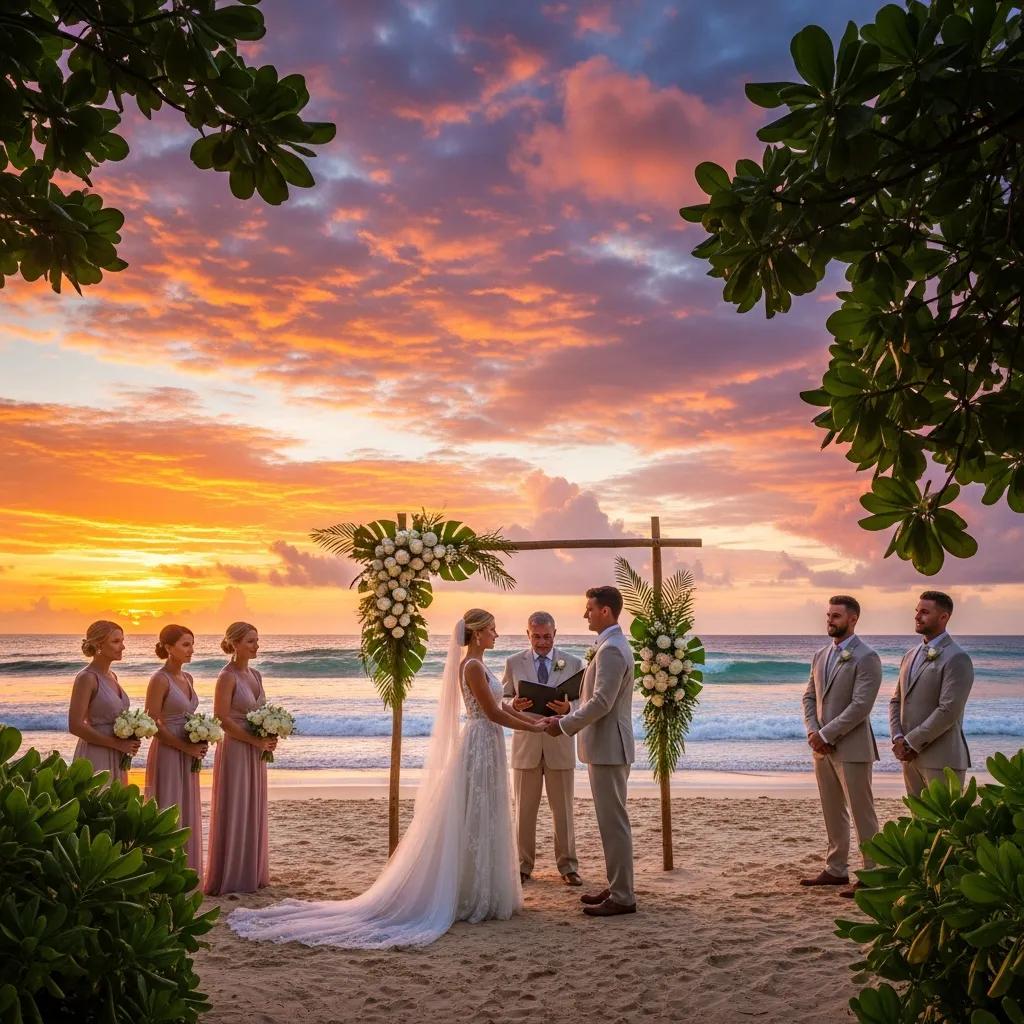
Your Dream Destination Wedding: Expert Tips for Picture-Perfect Moments Anywhere
A destination wedding pairs the thrill of travel with the emotional weight of a milestone vow, creating a singular event whose memories live on through expert photography and videography. This guide explains how intentional destination selection, meticulous planning, and skilled visual storytelling combine to preserve those moments as heirloom images and films. Many couples underestimate how climate, permits, local vendors, and storytelling choices shape final photos; this article unpacks those variables and offers practical steps to avoid common pitfalls. You will learn how to choose a luxury destination with photography in mind, follow a 12–18 month planning timeline, evaluate photographer packages and costs, and combine photo and video to narrate your wedding day. Each section includes actionable checklists, comparison tables, and examples that help you make decisions that prioritize both guest experience and cinematic imagery. By the end, you’ll have a clear roadmap to create picture-perfect moments anywhere, informed by modern destination wedding practices and storytelling techniques.
Indeed, the unique environments offered by destination weddings elevate the art of wedding photography into a specialized field.
Destination Wedding Photography: Unique Environments
Destination wedding photography is a specialised niche in the realm of wedding photography, as they offer couples a unique and captivating environment for their special day.
Preserving the Moment: An In-depth Exploration of Wedding Photography Trends and Styles, N Boobalakrishnan, 2024
How Do You Choose the Best Destination for Your Luxury Wedding?
Choosing the best luxury destination wedding location means aligning aesthetic goals, guest logistics, and seasonal conditions so that the venue and environment enhance your visual story. The right choice works mechanically—it provides reliable light, varied backdrops, and accessible vendor networks—while delivering emotional payoff through memorable moments that photograph well. Prioritize privacy, travel time for key guests, and an environment that supports the editorial wedding images you want to create. Consider how golden-hour windows, weather predictability, and permit complexity will affect both ceremony timing and portrait sessions. These factors set the stage for selecting a photographer who understands local conditions and can design a timeline to capture peak light and candid interactions.
What to weigh when narrowing locations—climate, accessibility, budget, and photographic potential—becomes clearer with a concise checklist that highlights photography-specific priorities.
- Define priorities: Choose between privacy, accessibility, or dramatic scenery as your leading criterion.
- Assess light windows: Check typical golden hour timing and cloud patterns for your date range.
- Confirm vendor depth: Ensure there are experienced local vendors or that travel logistics for out-of-region pros are feasible.
- Research permits: Identify photography/ceremony permit requirements and associated lead times.
- Estimate guest travel: Factor visas, flight duration, and accommodation options into guest accessibility.
Research further supports that destination image, service quality, and perceived value are critical factors influencing couples’ choices for bridal photography tourism.
Bridal Photography Tourism Destination Choice
Bridal photography tourism as an Oriental Style of honeymoon traveling is recognized as a significant trend, and factors such as destination image, service quality, and perceived value are significantly related with bridal photography tourists’ destination choice through binary logistic regression analysis.
What Determines Destination Choice of Bridal Photography Tourists?, N Bu, 2024
These decision points narrow your shortlist and prepare you to evaluate specific destinations, which follow next by visual attributes and practical considerations.
What Factors Should You Consider When Selecting a Destination Wedding Location?
Selecting a destination wedding location requires balancing aesthetic goals with logistics and legalities so your photos look and feel intentional. Accessibility affects attendance and the energy of on-site events; long travel times can reduce guest participation and limit rehearsal options. Seasonal weather determines when you can reliably schedule outdoor portraits—late-afternoon light in Mediterranean regions lends warm texture, while tropical mid-days create harsh contrast that demands strategic shade or sunrise sessions. Local vendor ecosystems and language considerations influence coordination and backup options for equipment or staffing emergencies. Finally, budget realities—travel fees, permit costs, and local taxes—shape whether you hire locally or bring a preferred vendor team.
These considerations directly inform which specific destinations will deliver the photographic results you imagine.
Which Are the Top Luxury Destination Wedding Locations for Stunning Photography?
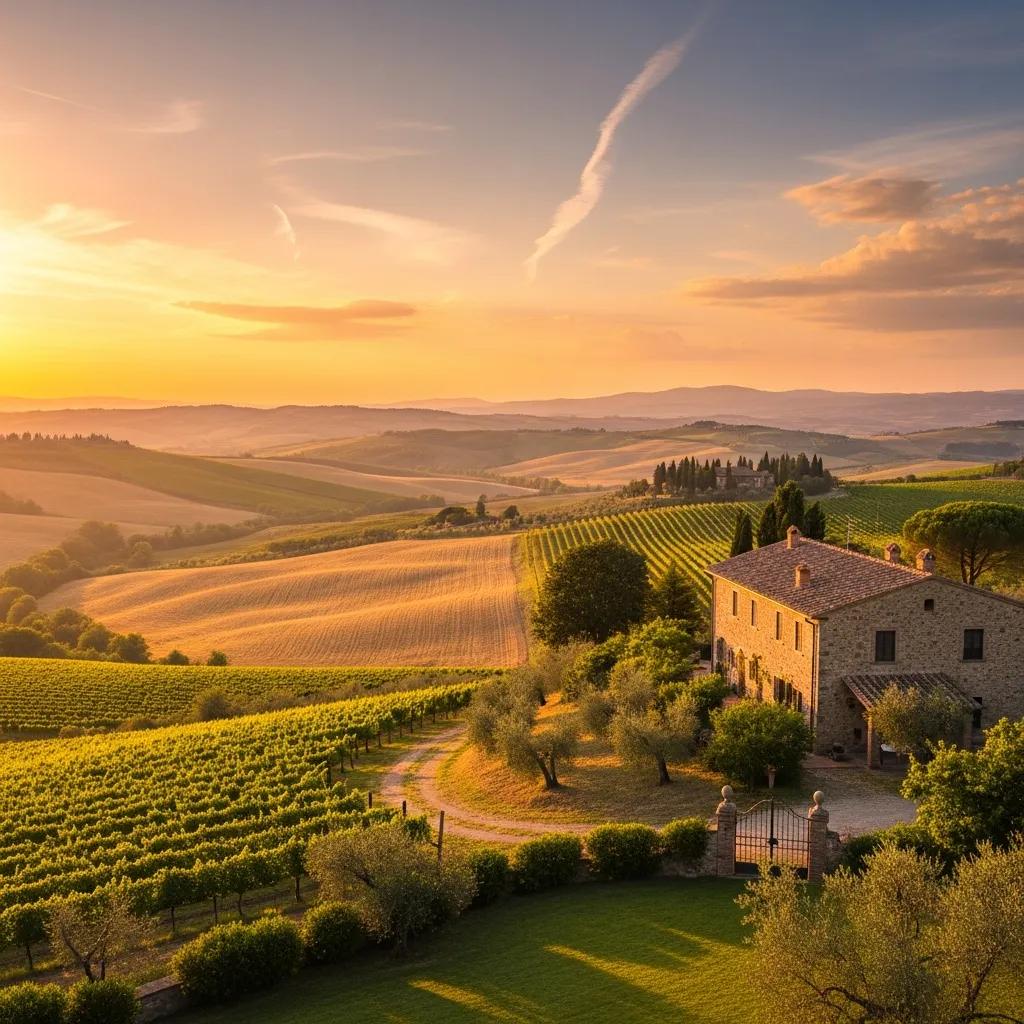
A selection of luxury destinations consistently delivers striking imagery because of their light quality, architectural texture, and natural backdrops. Each option below pairs a visual rationale with a permit or season note to guide planning and photographer strategy.
This trend is particularly evident in the growing market for luxury destination weddings, with European countries like Italy becoming increasingly popular among international couples.
China-Italy Luxury Destination Wedding Market
Il mercato del destination wedding in Cina sta crescendo rapidamente, inizialmente concentrato nel sud-est asiatico, soprattutto nelle isole, come Bali e Phuket, ora, la continua ricerca di “occidentalizzazione” in particolare da parte dei giovani cinesi, arriva ad influenzare anche uno dei mercati più votati alla tradizione, ossia quello dei matrimoni; facendo si che destinazioni Europee,come l’Italia, entrino a far parte dell’immaginario e dei desideri delle coppie cinesi.
China-Italy destination wedding: new opportunities for the luxury tourism market., 2019
- Tuscany, Italy: Golden late-afternoon light and textured stone architecture create romantic editorial portraits; peak seasons require early planning for permits.
- Santorini, Greece: Dramatic cliffs and blue-white architecture offer high-contrast editorial frames; consider wind and timing around sunset crowds.
- Amalfi Coast, Italy: Coastal cliffs and pastel towns produce cinematic panoramas; narrow roads can complicate logistics for large equipment.
- Caribbean (select islands): Turquoise water and soft sand enable vivid color photography; rainy-season windows and permit rules vary by island.
- Hawaii, USA: Varied landscapes—from black sand beaches to volcanic backdrops—deliver diverse imagery; national park permits may be required for certain backdrops.
- Provence, France: Lavender fields and soft, diffuse light support timeless, fashion-inflected portraits; bloom timing is seasonally specific.
Each destination has unique permit needs and seasonal trade-offs, which you should verify during vendor selection and timeline creation.
This comparison clarifies how visual payoff and logistical complexity trade off across popular luxury locations. Understanding these trade-offs helps you shortlist venues that match your photographic priorities.
For couples seeking a photographer-led perspective on specific locations and portfolio examples, Amore Wedding Photo & Video brings destination experience and editorial sensibility that align with the choices above. Their work emphasizes storytelling through place-aware composition and timing, which can help you visualize how a given location translates into images. This photographer-led viewpoint naturally feeds into the planning checklist that follows.
What Are the Essential Steps for Stress-Free Destination Wedding Planning?

Essential steps for stress-free destination wedding planning organize decisions across a 12–18 month timeline so logistics, legalities, and vendor coordination minimize last-minute friction and protect your photographic opportunities. The process begins with goal-setting—defining guest count, privacy needs, and the photographic style you want—then moves into venue selection, vendor hiring, permit acquisition, and travel coordination. A clear timeline sequences payments, confirmations, and contingency planning for weather or travel disruptions, and it assigns responsibilities among the couple, planner, and key vendors. Communication strategies for guests—welcome packets, travel advisories, and accommodation blocks—reduce confusion and increase attendance, which in turn improves the energy captured in images and film.
Below is a practical 12–18 month checklist organized as milestone steps to follow.
- 12–18 months: Set budget, choose destination, secure venue and planner.
- 9–12 months: Book photographer/videographer and major vendors; begin travel logistics.
- 6–9 months: Finalize guest list, accommodations, and legal paperwork; order attire.
- 3–6 months: Confirm timelines, permits, and vendor travel; distribute guest info.
- 1–3 months: Final walkthrough, timeline rehearsal, and contingency confirmations.
This stepped timeline ensures high-level decisions are made early enough to secure top vendors and ideal shooting windows, which leads naturally into a vendor responsibility comparison.
When you assemble a vendor team, choosing providers who communicate clearly reduces planning stress. For example, incorporating a photographer who offers timeline coordination and vendor communication can compress decision cycles and keep the schedule photo-focused.
Intro to the vendor responsibilities table: comparing which tasks vendors typically cover clarifies who does what and where extra fees may appear.
Understanding these divisions prevents role overlap and ensures each provider knows deliverables, which reduces stress and supports a reliable photo timeline.
Why Is Hiring a Luxury Destination Wedding Photographer Crucial for Picture-Perfect Moments?
A luxury destination wedding photographer brings specialized logistical experience, high-end equipment, and an editorial eye that together produce images far beyond what a generalist can reliably deliver in unfamiliar environments. They plan for redundant gear, international customs for equipment, and the lighting idiosyncrasies of coastal or mountain venues. Creatively, they adapt fashion-informed composition and controlled posing to natural moments, turning local scenery into cinematic frames. Emotionally, experienced photographers keep couples calm on schedule and recognize candid moments that elevate an album’s narrative. Budgeting for travel and clarity on what travel fees cover prevents surprises and streamlines approvals with venues and planners.
What Makes Destination Wedding Photography Different from Local Weddings?
Destination wedding photography requires additional preparation, including travel logistics, equipment redundancy, and cultural sensitivity to local customs that affect ceremony timing and access. Photographers must plan for customs and airline transport of gear, bring backup systems for power and storage, and often coordinate permits or local vendor relationships to access specific sites. Lighting conditions differ by geography—sea air, high altitude, and southern latitudes each present unique exposure and color challenges—so prior scouting and flexible timelines are essential. Cultural considerations, such as traditional attire or ceremony rituals, require photographers to anticipate moments and to work respectfully with local vendors and officiants. These differences translate into pre-shoot planning tasks that local weddings typically do not require.
How Do Luxury Photography Packages and Costs Vary for Destination Weddings?
Luxury photography packages for destination weddings differ mainly in coverage hours, number of shooters, deliverables, and how travel costs are handled; transparent proposals make budgeting simpler. Typical packages may include an editorial full-day shoot, a second shooter for simultaneous coverage, an engagement or welcome session, and curated albums or digital galleries as final deliverables. Travel costs are commonly itemized as a flat travel fee or reimbursable expenses covering flights and accommodations; some photographers include travel days as part of the package. When evaluating proposals, clarify rights to images, delivery timelines, and any additional fees for permits or remote assistants.
Below is a practical comparison to illustrate common package types and attributes.
Ask for sample timelines and clear travel fee breakdowns when comparing proposals so you know exactly what is and isn’t included.
Amore Wedding Photo & Video specializes in luxury destination photography and videography with an editorial sensibility led by Kristie Montrois. As a lead generation and information hub for couples planning high-end destination events, Amore emphasizes joyful, stress-reducing collaboration and delivers curated photo and film that reflect each couple’s story. Mentioning Amore’s editorial approach here illustrates how an experienced provider bundles timeline coordination with creative planning to protect photographic outcomes without overwhelming planning communications.
How Can You Capture Your Destination Wedding’s Unique Story with Expert Photography and Videography?
Capturing a destination wedding’s unique story requires cohesive planning between photo and film teams to create a narrative arc that spans pre-ceremony moments, the vows, and the closing celebrations. The technique is both logistical—scheduling first looks, sunset portraits, and ceremony coverage in a sequence that maximizes light—and stylistic—applying an editorial aesthetic to posed portraits while allowing documentary moments to unfold. Storyboarding key scenes, sharing a shot list with vendors, and coordinating audio capture for vows and toasts preserves the emotional context that elevates highlight films. Deliverable combinations such as a short cinematic highlight film paired with an editorial photo gallery provide both immediate shareable memories and long-form archival material.
Effective coordination between teams ensures the visual narrative is seamless and emotionally resonant.
What Is Amore’s Signature Editorial Photography Style for Destination Weddings?
Amore’s signature editorial photography style blends high-fashion composition with natural, emotional candids to create images that read like a cohesive story across pages and screens. This approach emphasizes composed, directional posing that feels relaxed, careful use of negative space and texture, and tonal color grading that complements each location’s palette. In destination settings, the style adapts—favoring soft, pastel grading in Mediterranean light and richer contrast in tropical environments—while preserving authentic moments like laughter and quiet exchanges. Couples can expect composed portraits that feel magazine-ready alongside documentary sequences that document spontaneity and connection.
Translating this style into a full visual narrative often involves pre-wedding scouting and a shared creative brief with the couple and planner.
How Does Integrating Videography Enhance Your Wedding Memories?
Integrating videography enhances wedding memories by adding motion and sound—vows, ambient noise, and musical cues—that photography cannot capture alone, creating a multi-sensory memory of the event. Video teams focus on cinematic movement, audio capture, and editing rhythms that mirror the emotional arc of the day, while photographers freeze decisive moments within that arc. Coordinated shot lists and timeline sequencing allow photographers and videographers to work complementary angles without obstructing each other, maximizing coverage for both stills and footage. Combined packages—such as a highlight film paired with an editorial gallery—offer both emotional immediacy and high-quality archival images for print and long-term preservation.
When planned together, photo and film elevate one another to produce a coherent, lasting narrative of your destination celebration.
What Are the Best Tips to Enhance Guest Experience and Embrace Local Culture at Your Destination Wedding?
Enhancing guest experience at a destination wedding starts with clear communication and curated local activities that make travel feel effortless and memorable. Pre-event materials—welcome packets, suggested packing lists, and transportation guides—help reduce stress and improve attendance. Curated welcome events like rehearsal dinners with local food tastings or guided cultural excursions introduce guests to the destination’s traditions and create pre-ceremony memories that enrich photos. Sustainable practices—choosing local florists, seasonal menus, and carbon-conscious transport options—support community relationships and enhance authenticity without sacrificing luxury. Thoughtful collaborations with local vendors produce genuine cultural moments that photograph powerfully and leave positive impressions on guests.
How Can Thoughtful Guest Communication and Curated Activities Improve Your Wedding?
Thoughtful guest communication and curated activities improve weddings by increasing attendance, reducing confusion, and creating shared experiences that become memorable photo opportunities. Sample communications include concise travel advisories, dress-code notes by event, and a simple itinerary template highlighting transport and check-in details. Curated activities—local cooking classes, guided walks, or sunset boat rides—provide relaxed contexts for guests to bond and produce natural candid imagery. Clear timeline expectations reduce late arrivals and help photographers plan coverage without interruptions, resulting in cleaner, more composed editorial images.
- Provide a concise welcome packet that covers travel logistics and local customs.
- Offer curated excursions that showcase local culture and create shared memories.
- Share a day-by-day attire guide to help guests pack appropriately for events and photography.
These communication strategies make travel less stressful and improve the quality of moments captured on camera.
Why Should You Incorporate Local Traditions and Sustainable Practices?
Incorporating local traditions and sustainable practices adds authenticity to your wedding and supports positive vendor relationships, which in turn enable more natural and respectful photography. Local ceremonies, music, or culinary elements create unique focal points that differentiate your images and can generate meaningful press or editorial interest. Sustainable choices—local sourcing for flowers and catering, minimizing single-use decor, and consolidating transport—reduce environmental impact while often improving logistical simplicity. Briefing vendors on cultural sensitivity and sustainability expectations ensures ceremonies are photographed thoughtfully and respectfully, preserving both the integrity of traditions and the dignity of subjects.
Balancing authenticity with sustainability produces richer guest experiences and images that reflect both place and purpose.
Be the first to comment