
Choosing Your Wedding Venue Photography: How Location Shapes Your Love Story
Choosing Your Wedding Venue Photography: How Location Shapes Your Love Story
Choosing the right wedding venue is one of the most consequential creative decisions you’ll make because venue directly shapes the light, composition, and emotional tone of your wedding photography. This guide explains how venue elements — natural light, architectural features, spatial layout, and logistics — function as photographic tools so couples can select a location that supports their chosen style and storytelling goals. You’ll learn how different venue types perform for luxury venue photos, how to evaluate lighting and backdrops during a site visit, and which questions to ask venues and photographers to avoid surprises on the day. Practical checklists, comparison tables, and timeline templates will help you plan portraits, getting-ready shots, and golden hour portraits so your images reflect the mood you want. Read on for venue-to-style mappings, photographer collaboration strategies, and day-of tactics that ensure your wedding photos feel intentional and cinematic.
Research consistently highlights the importance of strategic planning and professional expertise in achieving visually stunning wedding photography.
Aesthetic Wedding Photography & Success Factors
This research examines the crucial role of Direction Wedding Photography in Creating Visual Aesthetic Creations that meet contemporary expectations and trends in the wedding photography industry. The aim of this research is to analyze the key factors that influence the success of wedding photography, identify innovative techniques used by professional photographers, and understand the role of social media and digital platforms in shaping client preferences and expectations.
Direction Wedding Photography In Creating Visual Aesthetic Creations, AD Lestari, 2024
How Does Your Wedding Venue Impact the Quality of Your Wedding Photos?
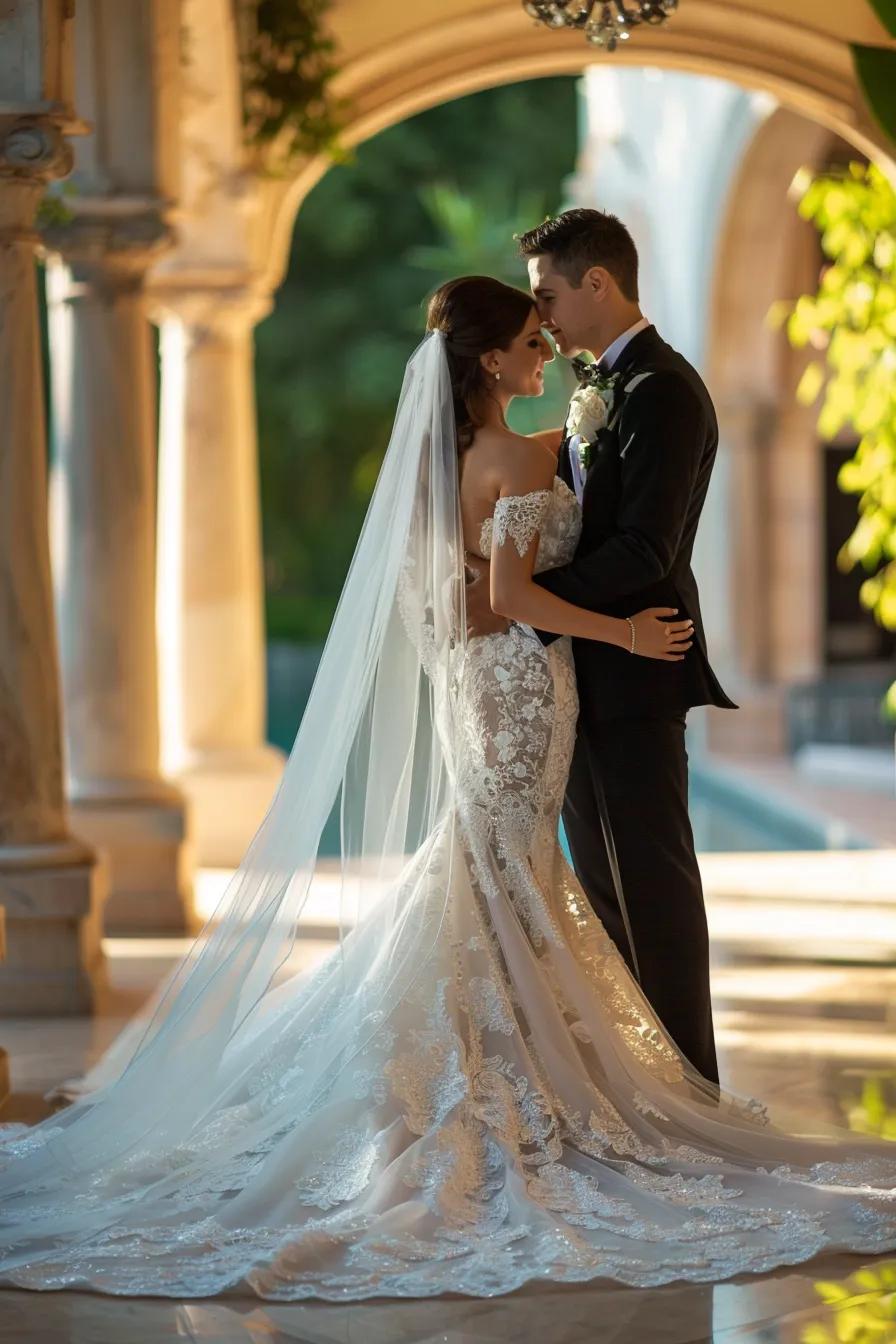
Your wedding venue impacts photo quality by controlling three photography-critical variables: light, backdrop, and space. Light determines exposure, color temperature, and mood; backdrop (architecture and landscape) creates visual context and emotional tone; space and layout influence movement, portrait locations, and candid opportunities. When these elements align with your chosen photography style, your images look cohesive and intentional; when they conflict, photographers must adapt with artificial lighting or reframing, which can change the aesthetic. Understanding these mechanisms lets you prioritize venue attributes that reduce day-of friction and increase the likelihood of strong, varied imagery. Below is a concise comparison of common venue lighting conditions and their photographic implications to help you evaluate sites during tours.
Different venues produce predictable lighting characteristics that inform how a photographer will expose, pose, and move through your day.
This table clarifies which lighting trade-offs each venue type brings so you can plan timeline and lighting support accordingly. The next section digs deeper into natural light and how to assess it during a venue visit.
What Role Does Natural Light Play in Venue Photography?
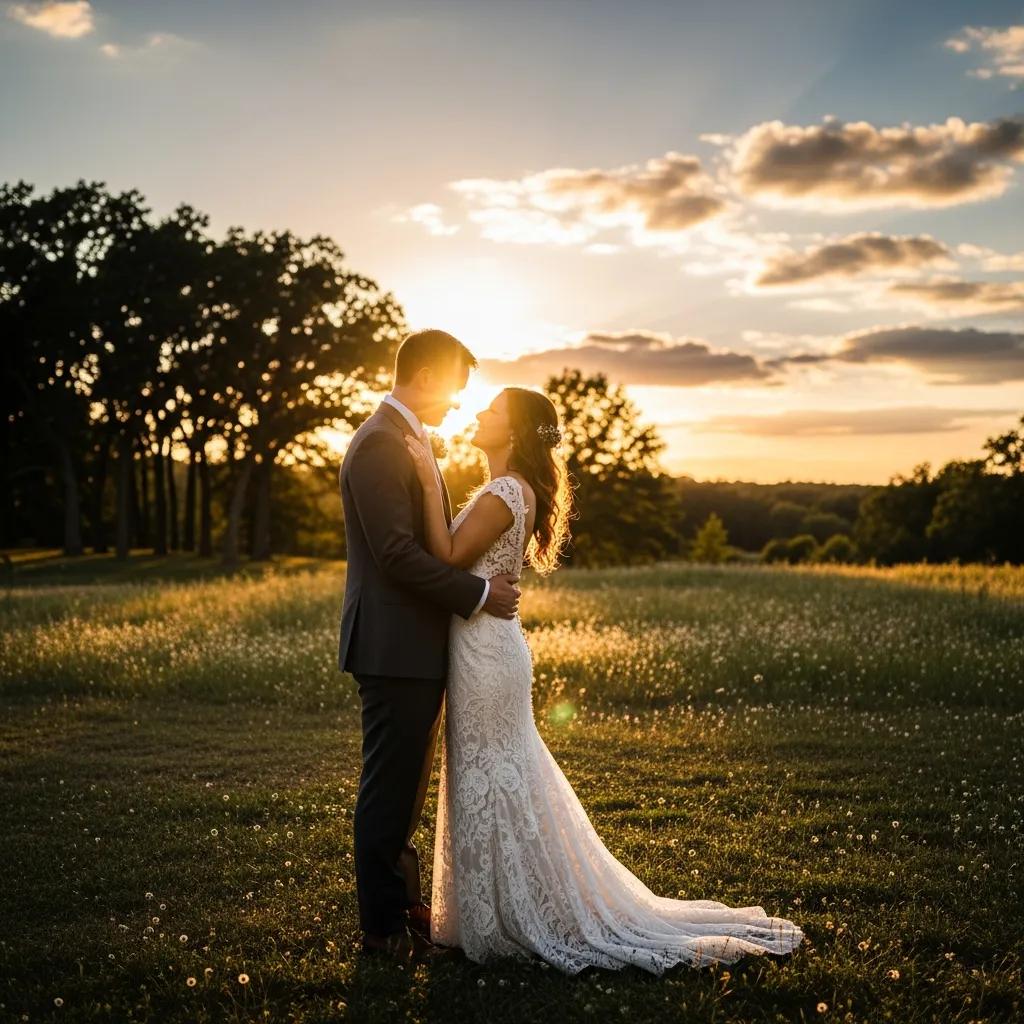
Natural light is the single most influential factor in venue photography because it defines skin tones, catchlights, and atmosphere without technical intervention. Soft window light produces flattering skin tones and gentle contrast suitable for light-and-airy and fine-art looks, while directional afternoon sun creates harder shadows ideal for editorial, high-contrast imagery. During a site visit, test light at the ceremony time and check window sizes, orientations, and nearby trees that create dappled shade; these observations predict how much supplemental flash or reflectors will be needed on the wedding day. Golden hour — roughly the hour before sunset — provides warm, wraparound light and long, cinematic shadows that elevate couples’ portraits, so mapping the ceremony and portrait timing to the golden hour is a major planning advantage. Assessing natural light early lets you and your photographer choose portrait spots that reduce reliance on heavy artificial lighting and preserve your chosen style.
How Do Architectural Features Enhance Wedding Photography?
Architectural features act as built-in compositional tools that create scale, leading lines, and texture for striking images. Elements like grand staircases, archways, columns, and textured stone walls provide multiple framing options and natural focal points that guide the eye and support varied posing. Photographers use these features to craft editorial portraits—placing the couple on a staircase to emphasize scale or framing a ceremony under an arch to create a symmetrical, formal moment. When touring, look for sightlines, unique vantage points, and uncluttered backdrops that allow negative space; these features increase portrait flexibility and reduce post-production cropping. Noting architectural opportunities during the venue visit helps your photographer plan creative shot lists and recommend pre-ceremony portrait locations that maximize the venue’s built-in advantages.
What Are the Best Venues for Stunning Wedding Photography?
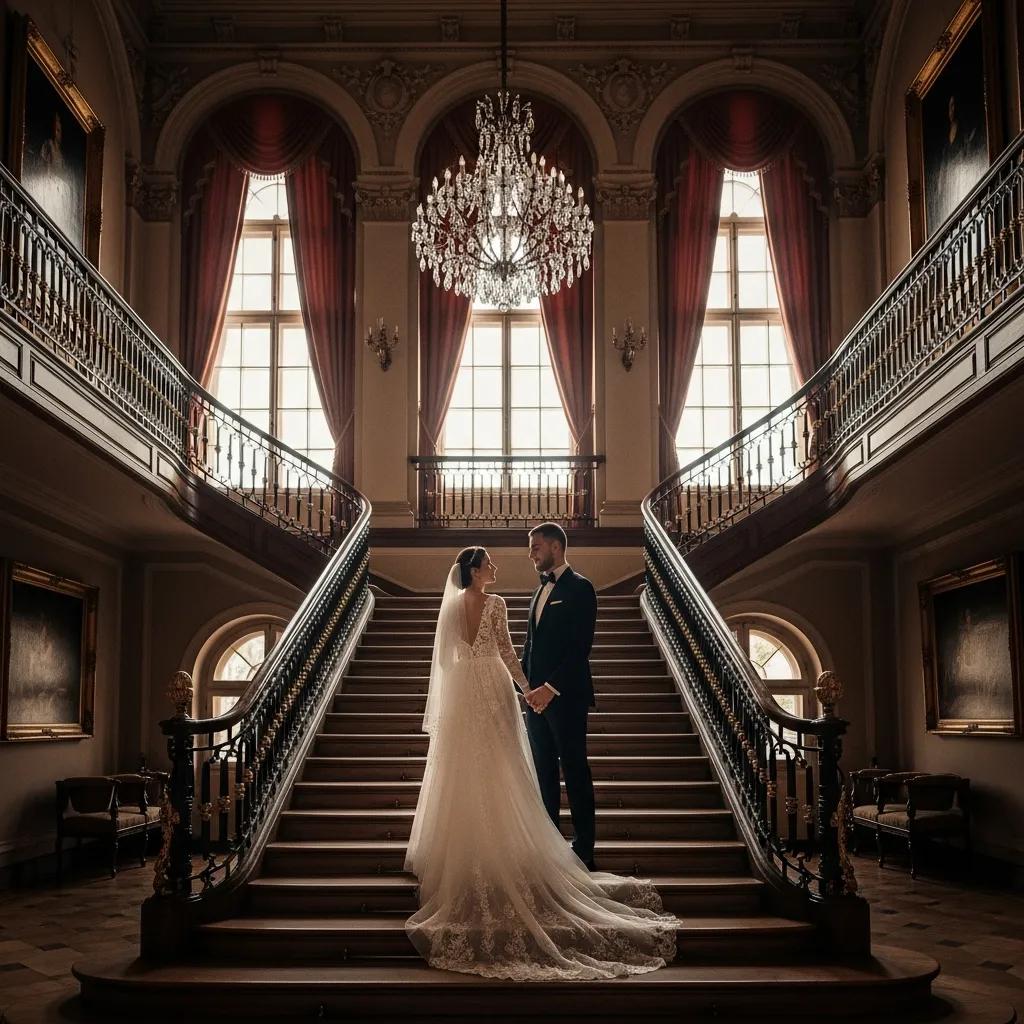
“Photogenic” venues combine flattering light, scale, and variety of backdrops so photographers can create a diverse gallery without excessive staging. Luxury estate wedding photography often benefits from expansive grounds, grand interiors, and a mix of intimate rooms and panoramic overlooks. Gardens and beachfronts excel at natural light and golden-hour portraits, while ballrooms and historic interiors offer textural drama and architectural frames. Prioritize venues that provide both intimate corners and sweeping vistas; the ability to move between varied microlocations within the same venue yields a richer final album.
Understanding the attributes that influence venue selection is crucial for couples aiming to align their choice with their photographic vision.
Wedding Venue Selection Factors & Venue Types
process when couples select a wedding reception venue and determine if the relative importance varies by venue type. the results of the study will allow venue managers to more
The attributes influencing wedding reception venue selection, MJ Daniels, 2012
The table below compares common venue types by photogenic features, lighting tendencies, and logistical constraints to help you weigh which environment best matches your visual goals.
This table helps you visualize common strengths and limits of each venue type and prioritize features for your desired aesthetic. The following subsections identify what to look for in luxury venues and how indoor vs outdoor settings differ in photographic demands.
Which Luxury Wedding Venues Offer the Most Photogenic Backdrops?
Luxury venues that photograph best share consistent attributes: layered spaces (gardens to interiors), thoughtful sightlines, reliable access to natural light, and distinctive architectural motifs. Grand staircases, colonnades, terrace views, and manicured gardens create sequential scenes that a photographer can string into a narrative across the day.
When evaluating high-end sites, verify scale—large spaces allow for dramatic wide-angle portraits—while intimate rooms provide close, emotive moments. Also ask about exclusive-use policies, as privacy often enables unhurried portrait sessions and cleaner backgrounds that read as luxury in the final imagery. Scouting these features in person helps you imagine how your chosen style (editorial, fine art, or photojournalistic) will translate inside each luxury setting.
How Do Outdoor and Indoor Venues Differ for Wedding Photos?
Outdoor venues offer expansive natural light, flexible compositions, and the ability to use golden hour effectively, but they also introduce variables like weather and shifting exposure that demand contingency plans. Indoor venues provide controlled environments and architectural context, but low ambient light often requires off-camera flash, higher ISOs, and color-correction for mixed lighting. Mobility differs as well: outdoor locations usually allow extensive movement and group shots across varied backdrops, while indoor venues can limit shot variety if spaces are small or tightly scheduled. Photographers adapt by using reflectors and portable lighting outdoors and by building a compact lighting kit for indoor ceremonies; choosing a venue that aligns with these trade-offs reduces technical compromises and helps preserve your stylistic goals.
Many couples find that the unique characteristics of outdoor settings, when expertly captured, contribute significantly to their wedding album’s charm.
Outdoor Wedding Venue Photography Success
in the package we selected. This turned out to be one of the best decisions we made regarding wedding photography, as it beautifully captured our outdoor venue. We were captivated
Preserving the Moment: An In-depth Exploration of Wedding Photography Trends and Styles, N Boobalakrishnan, 2024
How Can You Choose a Wedding Venue That Matches Your Desired Photography Style?
Selecting a venue that supports your intended photography style starts with defining the look you want and mapping it to venue attributes that produce that aesthetic naturally.
Photography styles—light & airy, moody/dark, editorial, and photojournalistic—each have specific lighting and backdrop needs: light & airy favors bright, neutral interiors and large windows; moody/dark benefits from textured interiors, low ambient light, and dramatic directional lighting; editorial uses bold architectural lines and staged composition; photojournalistic thrives on dynamic, candid-ready spaces. Use the style-to-venue mapping below to match your visual goals to venue features and prepare targeted questions for site visits so both you and your photographer can agree on achievable outcomes before booking.
Understanding these pairings early lets you prioritize venues that reduce reliance on post-production and artificial fixes, maintaining authenticity for your chosen style.
This mapping clarifies which venue qualities most reliably reproduce specific photographic styles and what to verify during a tour. The next subsections detail which photography styles pair with which venue types and how lighting constrains stylistic choices.
What Photography Styles Suit Different Venue Types?
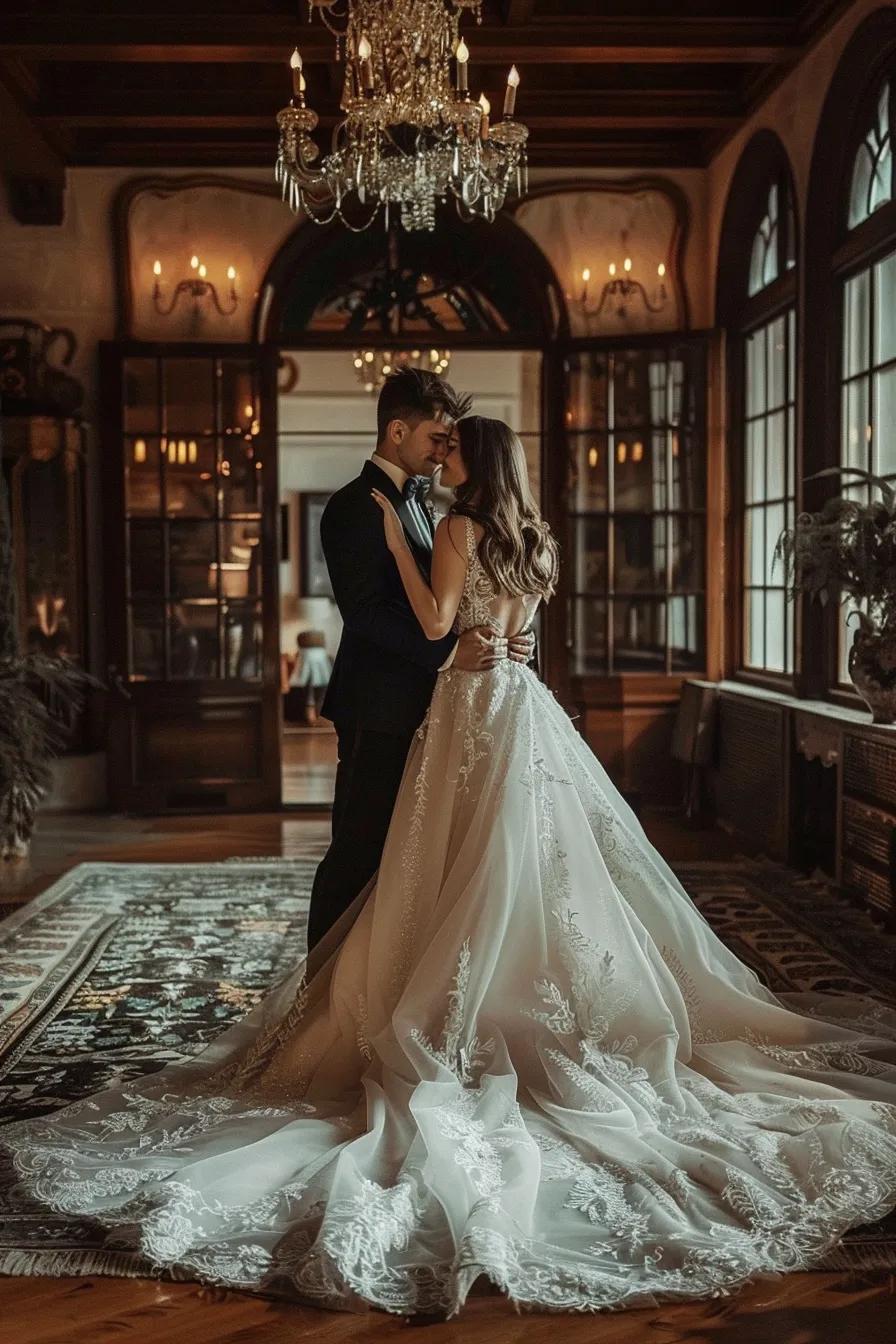
Different venue types amplify particular photographic styles: historic estates pair well with fine-art and editorial approaches because architecture and texture create cinematic frames; gardens and white-walled contemporary spaces suit light & airy aesthetics by providing diffuse, even light; beach venues favor natural, relaxed photojournalistic storytelling with silhouettes at sunset. When discussing style with your photographer, share sample imagery and identify three must-have looks (e.g., golden-hour couple portrait, candid ceremony moment, formal family portrait) so you and your photographer can assess whether a venue’s features will produce those shots. Editing choices later emphasize style, but the venue determines the raw material the editor works with, so picking a venue aligned to your style reduces the amount of heavy-handed retouching or color shifts.
How Does Venue Lighting Influence Your Photography Style?
Venue lighting both enables and constrains stylistic options: for light & airy work you need soft, even daylight and low-contrast interiors, whereas moody/editorial styles may rely on tungsten or directional light to sculpt faces and backgrounds. Photographers compensate for less-than-ideal ambient light with off-camera flash, continuous LED panels, and reflectors, but these tools alter the natural feel and may change the style’s authenticity. If your vision depends on a specific type of light, schedule key moments—first look, portraits, or ceremony—at times when natural light matches that aesthetic. Coordination between your venue timeline and photographer’s lighting plan ensures technical solutions support rather than override your stylistic intent.
What Should Couples Look for When Selecting a Venue for Wedding Photography?
Selecting a venue for photography requires a checklist mindset: prioritize natural light, diverse backdrops, private portrait spaces, and permissive vendor policies. These features maximize photo opportunities and minimize constraints like restrictive schedules or limited access. During tours, ask targeted questions about lighting, power access for lighting equipment, restrictions on flash or drones, and whether vendors can access rooms before guests arrive; these logistics directly affect how many unique, high-quality images your photographer can capture.
Below is a practical checklist mapping venue features to photographic importance with sample questions to ask, which you can bring to site visits or share with your photographer.
The following H3s unpack the most impactful venue features and common logistical constraints.
Which Venue Features Maximize Photo Opportunities?
Prioritize venue features that yield immediate photographic value: expansive windows for soft portraits, accessible vantage points for sweeping couple shots, textured backdrops for editorial visuals, and private nooks for intimate candid moments. A venue with both large open areas and smaller, quieter rooms gives photographers the flexibility to switch from group portraits to intimate detail shots without long moves or schedule interruptions. Photographing these features during your tour—taking photos from the same spots a photographer would—helps you and your photographer preselect portrait locations. Document these findings in a shared shot list so day-of decisions are fast and efficient, keeping your timeline on track.
How Do Venue Rules and Logistics Affect Photography?
Venue rules—such as restrictions on flash, drone use, time-of-day access, or sound limits—can shape the photographic approach by limiting equipment options, angles, or moment timing. Logistical constraints like tight ceremony-to-reception transitions or limited vendor load-in windows compress shooting time, requiring pre-planned timelines and concise group-photo lists. Negotiate early for reasonable vendor access and clarify any restrictions in writing so your photographer can bring appropriate gear or request exceptions when necessary. Clear communication among venue managers, wedding planners, and your photographer reduces surprises and preserves creative control over essential images.
How Does Collaboration with Your Photographer Enhance Venue Photography?
Collaborating early with your photographer transforms venue attributes from constraints into creative opportunities by aligning scouting, lighting plans, and timelines. Pre-wedding venue consultations enable lighting tests, identification of best portrait spots, and a synchronized schedule that honors golden hour and key family-photo needs.
Amore Wedding Photo & Video offers venue-focused services that include pre-venue consultations and venue-scouting support to ensure a seamless, stress-free process that aligns with your photography goals. Their personalized approach emphasizes effortless elegance and real emotion, and their expertise in venue impact helps couples anticipate lighting and logistical needs. Bringing your photographer in early turns potential venue limitations into curated photographic moments that match your vision and timeline.
What Is the Importance of Pre-Wedding Venue Consultations?
A pre-wedding venue consultation is a structured walkthrough where the photographer assesses light at relevant times, identifies portrait locations, and confirms access points and vendor logistics. The consult produces a practical shot list, a timeline aligned with natural light (including golden hour), and contingency plans for weather or low-light scenarios. Couples should bring a tentative timeline, ceremony layout, and list of must-have images so the photographer can plan equipment and staffing needs. These consultations reduce day-of delays and ensure the photographer can focus on telling your story rather than troubleshooting logistics.
How Does Photographer Expertise Overcome Venue Challenges?
Photographer expertise converts technical constraints into creative solutions: in low light they may use fast lenses, strategic flash placement, or continuous light to preserve mood; in tight spaces they employ wide-but-flattering focal lengths and careful posing to avoid distortion. Experienced photographers also know how to sequence shots to capture candid moments between posed sets and how to direct guests efficiently for group images. When a venue’s timing or layout threatens key shots, a veteran pro recommends timeline shifts—like moving a first look earlier—or suggests alternate portrait locations that preserve the narrative you want. This problem-solving skill set protects image quality and reduces stress for the couple.
How Can You Maximize Your Wedding Venue’s Photo Potential on Your Big Day?
Maximizing your venue’s photo potential on the wedding day is a product of preparation, lighting-aware scheduling, and vendor coordination.
Start by optimizing the bridal suite and getting-ready areas for natural light and decluttering so detail and portrait shots look polished and relaxed. Build your timeline to include buffer windows for family photos, golden hour portraits, and any required equipment changes; rigorous but flexible scheduling ensures photographers can capture essential moments without rushing. Clear vendor communication—about load-in times, spare outlets for lighting, and where vendors may stage—keeps the day moving so opportunities aren’t lost to delays.
Below are practical steps and a short timeline guide to help you prioritize photography during the day.
What Are Tips for Optimizing Bridal Suite and Getting Ready Photos?
Select a bridal suite with large windows, neutral backgrounds, and space for the photographer and assistant to move without cluttering the frame. Before the day, remove excess items from surfaces, place dresses and shoes where they catch natural light, and set aside detail items (invitations, rings, heirlooms) on a clean, contrasting surface for styled flat-lays. Ask for a room with soft, consistent light or arrange for an assistant to hold a reflector to fill shadows during portraits. Finally, schedule hair and makeup to finish at least 20–30 minutes before the photographer’s first portrait block to allow for relaxed portraits and outfit adjustments; these small adjustments produce portraits that read as polished and emotionally resonant.
How to Plan Your Wedding Day Timeline for the Best Photos?
Design your timeline to protect light-dependent moments: place portraits and first-look windows near golden hour when possible, and allow 20–40 minutes for couple portraits to avoid rushed expressions. Allocate specific blocks for family and bridal-party photos with a prioritized shot list to avoid back-and-forth confusion. Build contingency buffers (15–30 minutes) around key transitions—exit, cocktail hour, or reception entrance—to absorb delays without losing light-critical windows. Coordinate these blocks with your planner and vendors so everyone understands the sequence and can help shepherd guests and vendors; a well-rehearsed timeline gives your photographer the structure they need to craft a cohesive visual story.
Key timeline elements to reserve:
- First Look / Portrait Block: 20–40 minutes scheduled near golden hour if possible.
- Family Photos: 20–30 minutes with a concise, prioritized list.
- Buffer Windows: 15–30 minute buffers to handle delays without losing critical light.
These timeline priorities ensure your photographer has the space and time to capture both candid moments and polished portraits without compromising the flow of your day. If you want hands-on venue support, Amore Wedding Photo & Video can provide a pre-venue walkthrough and consultation to align venue attributes with your timeline and photographic priorities; discuss venue-scouting and schedule planning early to secure the best possible light and locations.
Be the first to comment