
photo studio

Comprehensive Photo Studio Services and Photography Packages for Every Occasion
Photography transforms moments into visual stories by combining technical skill, creative direction, and thoughtful client planning to produce images that endure. This article shows you how a professional photo studio approaches services and packages—covering wedding, portrait, newborn, family, headshot and commercial photography—so you can choose the right service for your needs. Readers will learn how to evaluate local photographers, what to expect from common package structures and pricing, how to prepare for sessions, and which 2024-2025 trends are shaping studio work. The goal is to demystify the process from booking to delivery and to provide concrete checklists that reduce anxiety and improve results. Throughout, we include practical examples, EAV comparison tables, and step-by-step workflows that illustrate how studios deliver professional headshots, family portraits, and event coverage with consistent quality.
What Professional Photography Services Does Our Photo Studio Offer?
Professional photography services encompass specialized sessions that meet different client goals, from storytelling wedding coverage to technical product shoots for commercial brands. Studios combine controlled lighting, a variety of backdrops and props, and post-production workflows to deliver polished images tailored to each brief, which increases perceived value and client satisfaction. A clear service taxonomy helps clients match needs to outcomes and clarifies expectations for deliverables such as digital galleries, prints, or albums. Below is a concise table that clarifies service types, typical clients, and common deliverables so you can compare options quickly and choose a service that aligns with your project goals.
This table helps differentiate service types and their expected deliverables, making it simpler to assess which offering matches your brief. Understanding these distinctions leads naturally into how specific wedding and portrait services are structured for real client scenarios.
Which Wedding Photography Services Capture Your Special Day Best?
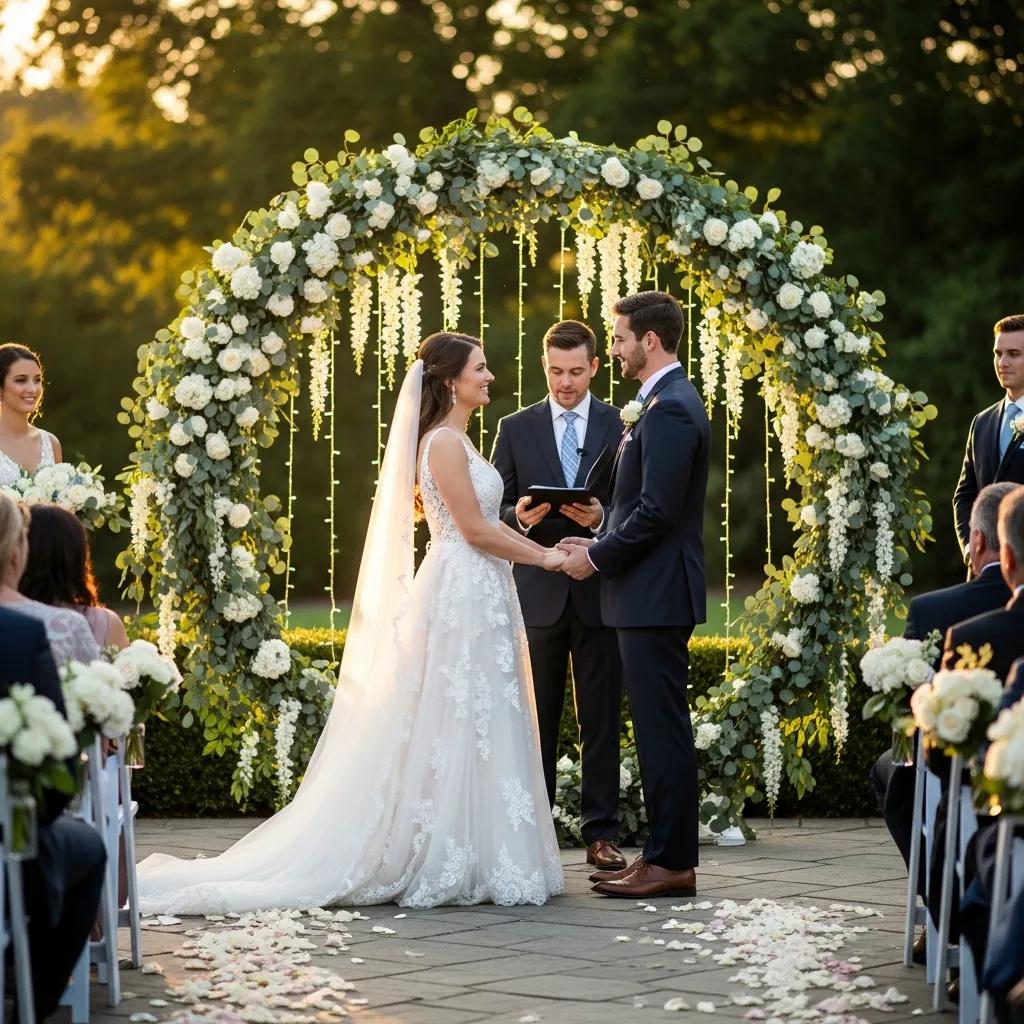
Wedding photography services range from intimate elopement coverage to full-day storytelling packages that capture preparations, ceremony, portraits, and reception. A documentary or candid approach emphasizes unscripted moments and emotional flow, while fine-art or posed styles prioritize composed imagery and stylized portraiture; both approaches rely on consistent lighting control and strong rapport with subjects to produce dependable results. Typical wedding deliverables include a timeline-based shoot schedule, edited digital galleries, and optional albums or prints; add-ons may include engagement sessions, second shooters for overlap coverage, or expedited editing. Couples choosing between styles should review recent portfolios for consistency across lighting and color grading to ensure the studio’s aesthetic aligns with their vision.
This discussion of wedding services sets the stage for how portrait packages are structured to meet family and individual needs.
How Do Our Portrait Photography Packages Meet Your Family and Personal Needs?
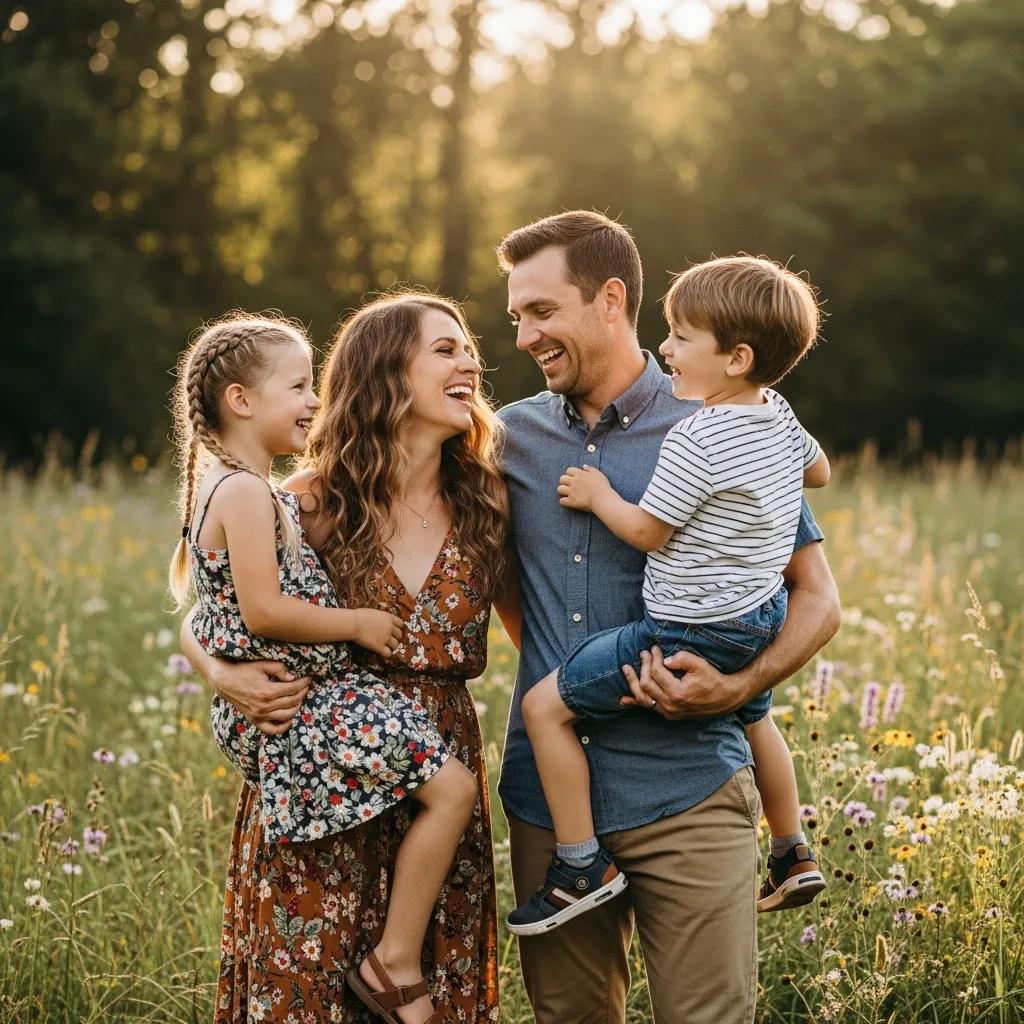
Portrait packages are tiered to accommodate casual family sessions, newborn safety-focused shoots, and professional headshots, each varying by session length, number of final images, and retouching level. Family sessions often include multiple outfit changes and location flexibility, while newborn shoots prioritize gentle posing, parent involvement, and shorter studio time to prioritize baby comfort and safety. Headshot packages focus on rapid turnaround and multiple lighting setups to provide varied looks suitable for corporate profiles or casting submissions. Clients can expect clear deliverables and upgrade paths—such as prints, canvases, and expanded digital rights—so that the package chosen aligns with both aesthetic goals and long-term display needs.
These service descriptions naturally lead into how to evaluate and choose the best local photographers for your project.
How Can You Choose the Best Local Photographers Near Me?
Choosing a local photographer depends on matching technical experience, artistic style, and logistical fit; this process reduces booking friction and increases satisfaction with final images. A structured evaluation emphasizes portfolio consistency, client reviews with images, clear pricing models, and strong communication during planning; these factors signal reliability and help set expectations before the shoot.
- Look for portfolio consistency: a photographer’s recent galleries should demonstrate steady quality in lighting, composition, and color.
- Check client reviews with photos and dates: reviews that include images and recent dates provide the most reliable social proof.
- Confirm communication and planning processes: clear pre-shoot instructions and timelines indicate professionalism.
- Compare pricing and deliverables side-by-side: align package inclusions with your essential needs (hours, files, prints).
- Ask about experience with your session type: wedding logistics differ greatly from studio newborn shoots and require specific expertise.
Use these criteria as a screening tool to shortlist candidates and prepare targeted questions for consultations. Applying this checklist will make it easier to interpret portfolios and choose a photographer whose workflow matches your expectations.
What Qualities Define the Best Portrait Photographers in Your Area?
The best portrait photographers combine technical lighting control, skillful posing direction, and an identifiable editing style that suits client goals; these qualities together produce consistent, flattering images. Technical skills include effective use of studio strobes and modifiers, plus the ability to adapt to on-location light, while creative vision guides composition, mood, and color grading to maintain a coherent portfolio. Client handling—calm direction, rapport-building, and clear timing—ensures sessions run smoothly and subjects feel comfortable. Verify these qualities by reviewing a photographer’s unedited contact sheets when possible or by asking for full-session galleries that show how the photographer manages variety and consistency across images.
Recognizing these qualities connects directly to how to interpret client reviews and reputation signals for local studios.
How Do Client Reviews Reflect Our Photo Studio’s Reputation?
Client reviews reflect reputation when they include specific details such as recent dates, service type, and images that demonstrate deliverables; these elements make reviews actionable and trustworthy. Look for patterns: multiple reviews praising punctuality and consistent color grading suggest operational reliability, while reviews that include photos help validate image quality and editing style. Beware of vague praise without concrete examples or many older reviews without recent activity, as these may not reflect current service quality. Asking studios for recent references or viewing current galleries linked to reviews enables prospective clients to connect testimonials to actual deliverables and timelines.
Understanding review signals leads naturally into practical comparisons of packages and pricing to set budget expectations.
What Are the Typical Photography Packages and Pricing Options Available?
Photography packages are structured around coverage hours, deliverables (digital files, prints, albums), and add-ons such as second shooters, travel, and expedited editing; pricing reflects those variables and the studio’s experience level. Transparent package tables help clients compare value across tiers and decide which trade-offs match their priorities, such as more edited images versus physical albums. The table below presents common package names, core inclusions, and typical starting prices to illustrate standard market options while keeping expectations realistic.
This pricing table summarizes common entry points and helps readers understand how hours and deliverables influence cost. Knowing typical inclusions prepares clients to choose a package that meets their desired balance of coverage and final products.
How Do Our Wedding Photography Packages Compare in Value and Inclusions?
Wedding packages vary by coverage length, the presence of a second shooter, album inclusion, and delivery timelines; these elements determine overall value relative to budget ranges. Entry-level options often cover key ceremony highlights and provide a digital gallery, while premium packages add full-day coverage, second shooters for simultaneous coverage, and handcrafted albums or prints. Couples should weigh whether they prioritize more hours of coverage or higher-quality keepsakes like albums, as both increase the final cost but serve different long-term purposes. A clear timeline example—preparation, ceremony, portraits, reception—helps couples map coverage hours to must-have moments and choose the package that best protects those priorities.
Evaluating wedding package value naturally leads to identifying budget-friendly portrait and newborn options.
What Affordable Portrait and Newborn Photography Deals Can You Book?
Budget-friendly portrait and newborn deals typically offer shorter sessions, a smaller number of edited images, and limited print credits; these packages are ideal for clients who want quality images at lower cost while understanding trade-offs. For portraits, basic packages might include a single background and fewer outfit changes, while newborn economy sessions prioritize shorter studio time and fewer final files to reduce handling and editing hours. Clients can often upgrade later for expanded digital galleries or prints as needed, which makes starter packages a practical entry point. Transparency about what is excluded—album production, extended retouching, or location travel—helps manage expectations and encourages clients to select optional add-ons judiciously.
These budget considerations tie directly into how you should prepare for sessions to maximize value from the time purchased.
How Should You Prepare for Your Photo Studio Session?
Preparation improves session efficiency, reduces stress, and elevates final images by ensuring wardrobe, props, and logistics are aligned with the desired aesthetic and timeline. Practical prep includes wardrobe coordination, hair and makeup planning, bringing reference images, and confirming arrival times to reduce delays; each of these factors affects the shoot flow and the photographer’s ability to deliver promised results. The table below provides a simple preparation checklist mapping items to why they matter and practical tips that can be executed before arriving at the studio to make the session productive.
This practical checklist clarifies preparation priorities and reduces common on-set delays that can cut into paid studio time. Preparing well for a session connects directly to specific wardrobe choices and the step-by-step process from booking to delivery.
What Should You Wear for a Professional Photo Shoot?
Wardrobe choices influence how subjects read on camera and whether images convey the intended mood; color palettes, textures, and contrast with backdrops all matter. Neutral tones and coordinated palettes typically produce timeless portraits, while bold colors can create striking editorial images when planned with background choices; avoid busy patterns and large logos that distract from faces. For newborn and family shoots, prioritize comfort and easy outfit changes—soft fabrics and layers make transitions quicker and keep subjects relaxed. Planning two to three outfit options and reviewing them against sample studio backdrops with your photographer in advance reduces guessing on the day and ensures final images match your expectations.
What Is the Step-by-Step Photography Process from Booking to Delivery?
A transparent booking-to-delivery process reduces client anxiety by defining milestones: inquiry, proposal and deposit, pre-session planning, shoot day, editing, and final delivery—each step has clear expectations and turnaround windows. After an initial inquiry and proposal acceptance, clients typically provide a deposit and complete a planning questionnaire that records wardrobe, shot list, and logistical needs; this information guides shoot day timing. On the shoot day, punctual arrival and prepared outfits keep sessions on schedule, while photographers capture agreed shot lists and explore creative variations. Post-session, editing workflows produce a curated gallery delivered via online proofing or download; turnaround varies by service type but studios usually provide an estimated delivery date during booking.
What Are the Latest Photography Trends and Styles in 2024-2025?
Current photography trends in 2024-2025 emphasize authenticity, practical AI-assisted workflows, and bolder color grading that reflects editorial and retro influences; these trends impact how studios plan sessions, edit images, and present portfolios. AI tools accelerate routine retouching and background workflows while preserving artistic oversight, and candid documentary-style storytelling remains popular with clients seeking natural moments. Bold color palettes, often inspired by vintage film stocks, provide high-impact imagery for editorial and commercial campaigns when paired with authentic posing. Recognizing these trends helps clients choose styles that will age well and suit current visual expectations for social and print display.
How Is AI Enhancing Photo Editing and Studio Services?
AI enhances studio services by automating repetitive editing tasks—such as basic skin retouching, color matching, and background replacement—freeing time for creative grading and client-specific refinements. Practical AI applications include batch color correction to maintain consistency across large galleries, intelligent subject selection for precise masking, and accelerated proofing tools that let clients preview variations quickly. Ethical considerations arise when AI changes the perceived authenticity of an image, so studios balance automation with manual oversight to retain artistic intent and client consent. Overall, AI speeds delivery and reduces costs for routine edits while enabling photographers to focus on creative value-added work.
Why Are Authentic, Candid Moments and Bold Colors Trending?
Authenticity and candid storytelling resonate because contemporary audiences prefer images that feel sincere, emotionally immediate, and relatable, rather than heavily staged or over-retouched portraits. Bold colors attract attention in crowded visual feeds and can underscore mood or brand identity when applied thoughtfully; however, bold tones work best when the lighting and composition support the color choices. Contrast this with past trends that favored muted palettes and perfect retouching—today’s clients often request images that show texture, emotion, and real moments. Photographers achieve candid looks through relaxed direction, playful prompts, and shorter, more frequent captures to seize spontaneous expressions.
How Can You Book a Personalized Consultation at Our Photo Studio?
Booking a personalized consultation typically involves multiple channels—online forms, phone inquiries, or direct messages—followed by a planning conversation to align shoot objectives, availability, and deliverables. The consultation clarifies session goals, timelines, and any special requirements such as travel or newborn safety considerations, and it results in a proposal outlining price, deliverables, deposit requirements, and estimated delivery windows. For efficient scheduling, clients should prepare a brief project description, preferred dates, and reference images to accelerate alignment during the consultation. After agreeing on the proposal, studios commonly request a deposit and sign a contract to confirm the booking and begin pre-session planning.
What Are the Steps to Schedule Your Wedding or Portrait Photography Session?
Scheduling a wedding or portrait session involves a predictable sequence of actions that protect both client and studio expectations: initial inquiry, proposal with package options, contract and deposit, pre-session planning, the shoot, and final delivery. Weddings generally require longer lead times—often many months—due to peak-season demand and multi-vendor coordination, while portrait sessions can usually be scheduled with shorter notice. The deposit and contract secure the date and outline cancellation and rescheduling policies, while the pre-session planning call refines the shot list and wardrobe. Preparing these items ahead of the consultation—preferred dates, mood references, and essential family shots—speeds the booking process and ensures the day captures your priorities.
Where Is Our Studio Located and What Are Our Hours?
Specific studio location and hours are not provided in the available business information; for accurate details about location, parking, and hours, please contact the studio directly to confirm. To schedule consultations, verify appointment availability, or ask about in-studio services such as styling and hair/makeup add-ons, contact Your Photo Studio Name at +1-XXX-XXX-XXXX. Studio locations and hours can vary seasonally or by appointment-only scheduling, so confirming directly ensures accurate directions and any venue-specific instructions. If you need to finalize travel logistics or ask about accessibility and parking, the studio contact will provide the most current guidance and next steps for booking.
Be the first to comment